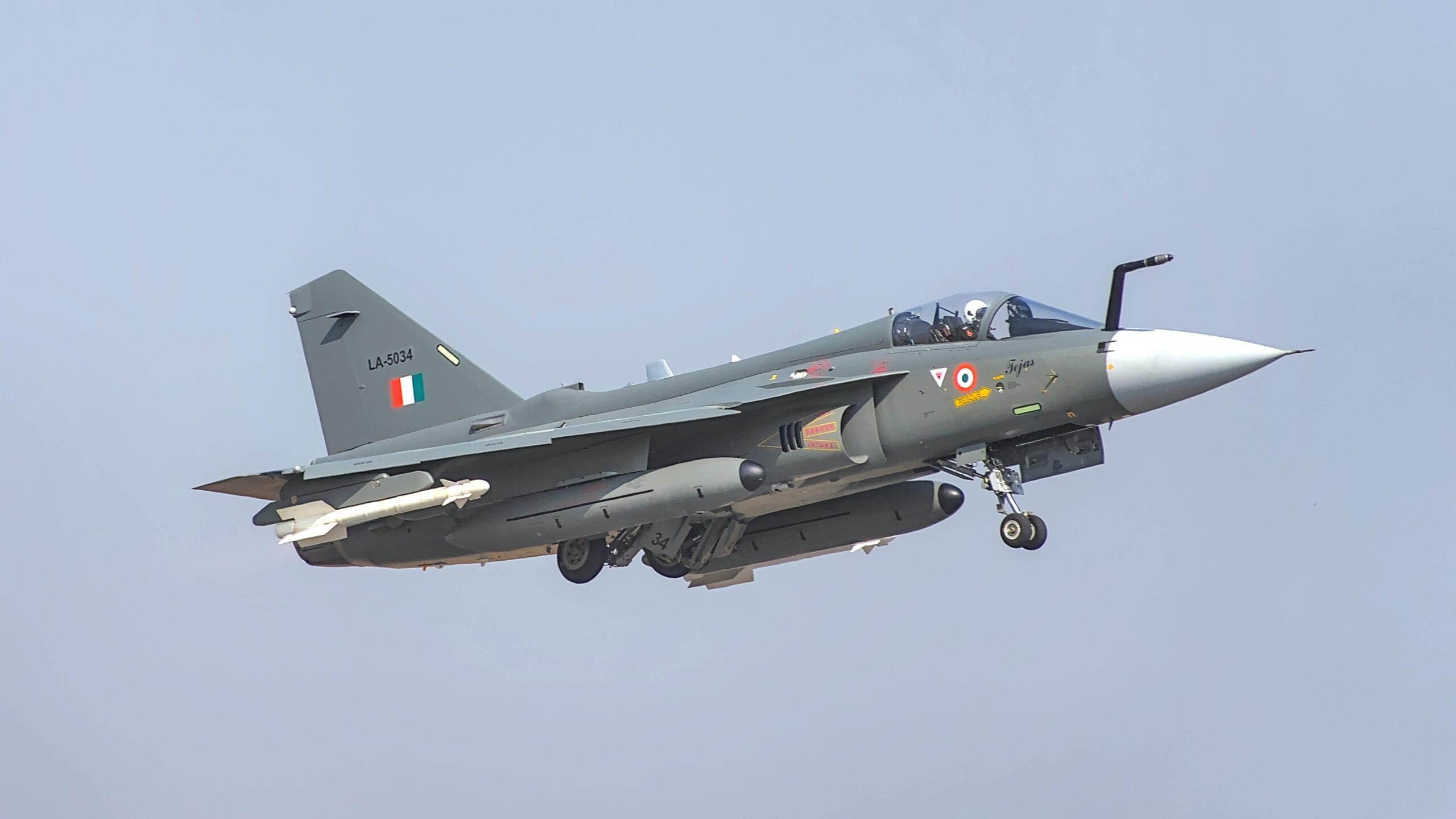
AMCA prototype private sector vs HAL
When the news broke that Hindustan Aeronautics Limited (HAL) would not lead the initial prototype phase for India’s 5th-generation AMCA fighter, many analysts saw it as a downgrade. In reality, we are witnessing a surgical repositioning of India’s aerospace giant, especially in the context of the AMCA prototype private sector vs HAL debate.
By offloading the R&D-heavy prototype phase to private consortia, the government is clearing HAL’s “industrial runway” for something much larger: the $35 billion MRFA (Multi-Role Fighter Aircraft) deal and the massive Make in India push for the Rafale.
The Rafale “Make in India” Pivot
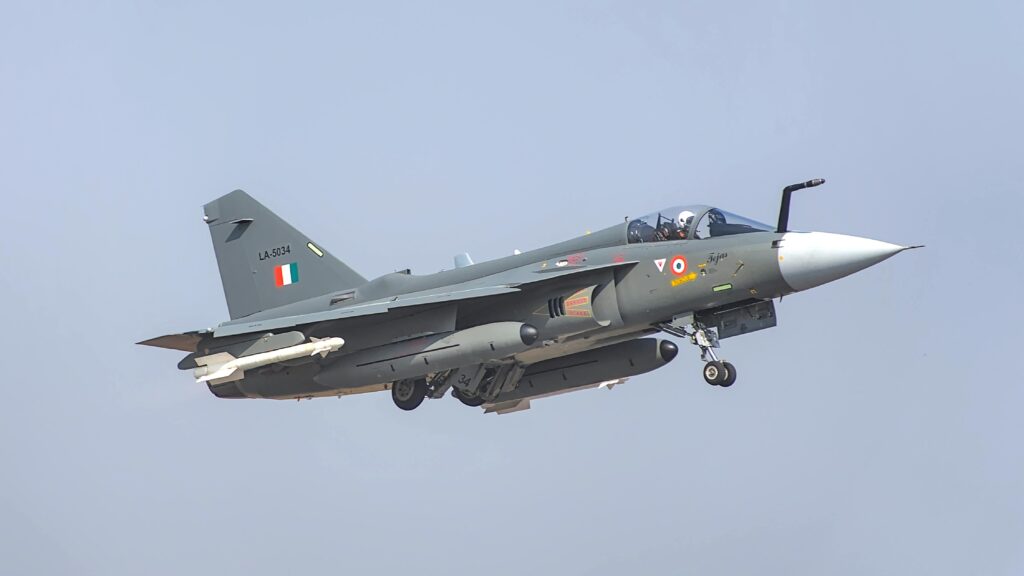
The most significant shift in HAL’s 2026 roadmap is its re-entry into the Rafale ecosystem. While the original 36 jets bypassed HAL, the upcoming 114-jet MRFA deal changes the math.
- The Final Assembly Line (FAL): While private players like Tata are manufacturing fuselages, HAL is the primary contender to host the Final Assembly Line for the 96 Rafales to be built in India.
- The SAFHAL Advantage: The creation of SAFHAL (the HAL-Safran joint venture) ensures that HAL isn’t just a “screwdriver” assembler. By co-developing and maintaining the M88 engines, HAL is securing the high-tech heart of the Rafale platform.
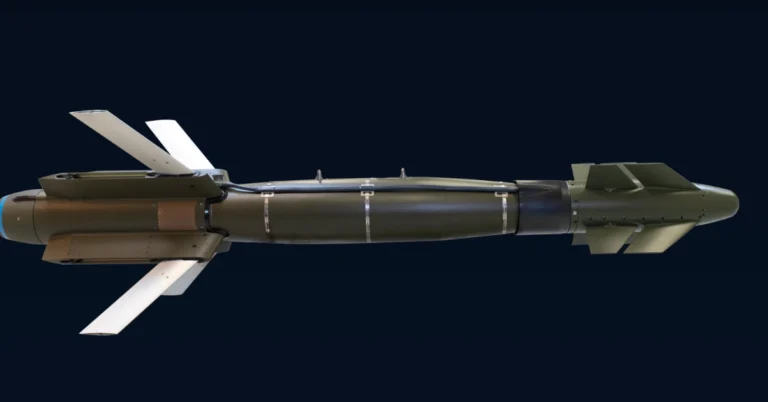
- Weapon Integration: HAL’s electronics division is already working on integrating indigenous “sovereign” weapons like the Astra Mk1 and Mk2 onto the Rafale, ensuring India isn’t permanently tied to French munitions.
Is HAL “Out” of AMCA? (The Real Story)
Being absent from the prototype phase does not mean HAL is out of the AMCA program. It signals a shift in responsibility:
The AMCA Prototype Private Sector vs HAL: Analyzing the Dynamics
- Development vs. Production: Let the private sector and DRDO handle the “trial and error” of prototypes.
- The Scalability King: When the IAF moves from 5 prototypes to 200 production units, no private player in India has the hangars, the certified test pilots, or the quality-audit infrastructure that HAL possesses.
- Capacity Management: By not being bogged down in the slow prototype phase, HAL can focus on its current backlog of Tejas Mk1A and the upcoming Rafale MRFA production lines.
The Russian Factor: Su-57 and Su-75
The speculation regarding the Su-57 (Felon) or the Su-75 (Checkmate) often positions them as “competitors” to HAL’s indigenous projects. However, the strategic takeaway is different:
- Parallel Platforms: India’s 2026 defense policy favors a “High-Low” mix. The Su-57 serves as a near-term heavy interceptor, while AMCA remains the long-term sovereign stealth platform.
- The MRO Revenue: If India inducts the Su-57, HAL’s Nashik division—which has decades of experience with the Su-30MKI—becomes the global hub for Russian stealth maintenance. This provides HAL with a 40-year revenue stream without the risks of design failure.
Why the SJ-100 Matters for Fighters
It may seem odd to talk about a civilian regional jet (SJ-100) in a fighter jet analysis. But for HAL, the SJ-100 is a “process trainer
- It teaches HAL how to manage global supply chains and civil-certified production tempos.
- These “boring” industrial skills are exactly what HAL needs to ensure the Rafale and AMCA programs don’t suffer from the decade-long delays that plagued previous projects.
The Bottom Line: The “Industrial Backbone
HAL is not being replaced; it is being specialized
The “New HAL” is moving away from being a Jack-of-all-trades designer and toward becoming the National Industrial Execution Authority. Whether it is 96 Rafales under “Make in India” or the eventual mass production of the AMCA, HAL remains the only entity capable of turning a blueprint into a fleet.
The AMCA prototype exit isn’t a retreat—it’s a tactical maneuver to prepare for the massive industrial storm coming HAL’s way.Would you like me to generate.
The Road Ahead for Indian Aerospace
As the AMCA prototype private sector vs HAL debate continues, the strategic focus remains clear. India is moving toward a dual-track ecosystem where private innovation meets HAL’s massive industrial scaling. Whether it is the upcoming 114-jet Rafale order or the eventual serial production of stealth fighters, this synergy will be the defining factor in India’s quest for true air dominance and long-term self-reliance.