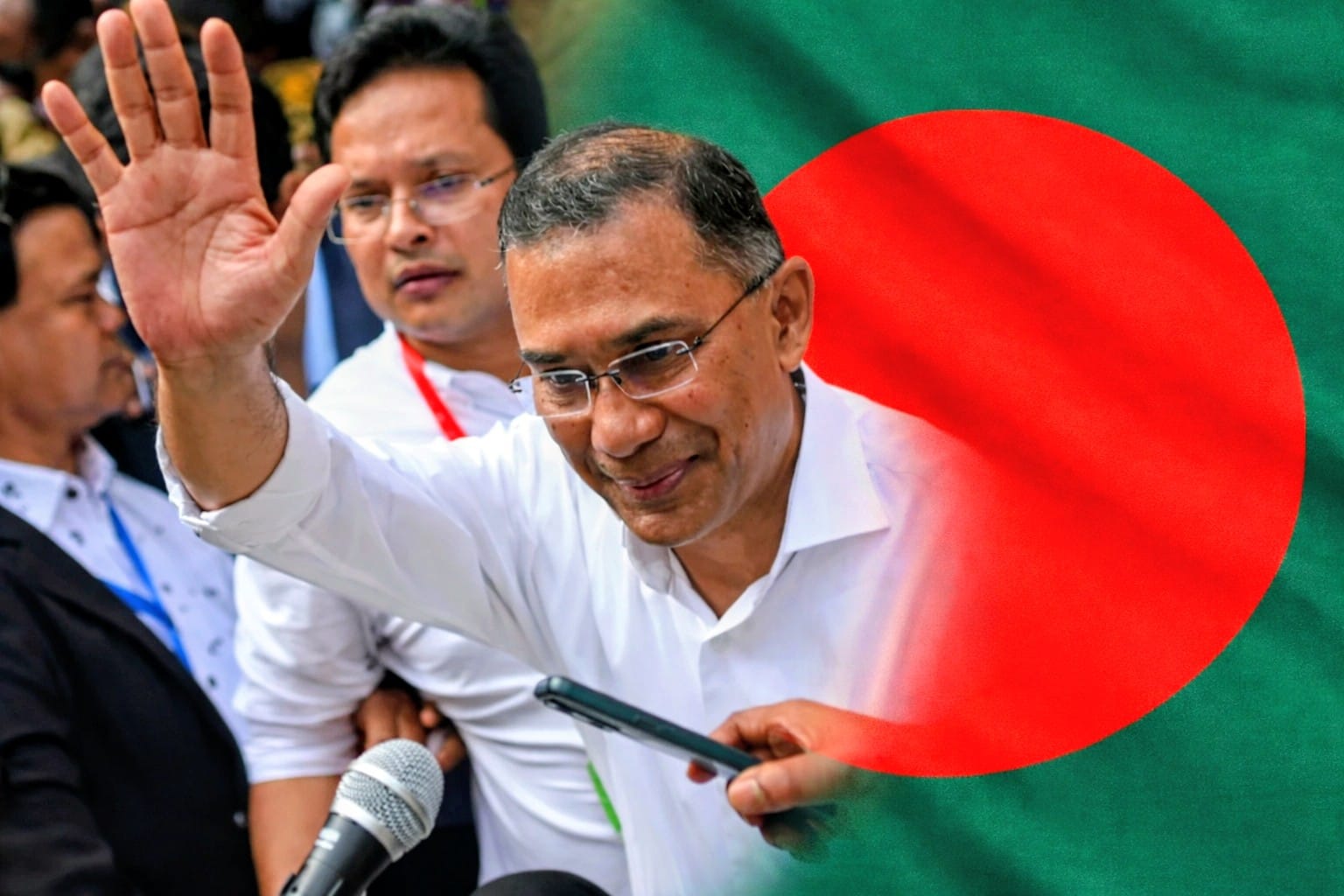
Bangladesh Election 2026: Why India Sees BNP’s Landslide as a Strategic Reset
Bangladesh election 2026
The 2026 Bangladesh election results mark a historic strategic reset in South Asian geopolitics.
For India, which had spent nearly 15 years in a close strategic alignment with the former ruling
establishment, the landslide victory of the Bangladesh Nationalist Party represents a pragmatic
and stabilising outcome in a post-Hasina political landscape.
More importantly for New Delhi, the electoral containment of Jamaat-e-Islami has eased long-standing
security and regional stability concerns. This outcome is increasingly being viewed in Indian
strategic circles as a constructive and realistic turning point rather than a diplomatic setback.
The Best “Realistic” Outcome for India
While New Delhi had historically remained wary of the BNP’s political legacy, the 2026 verdict delivered what many Indian policymakers privately describe as the best possible scenario in a post-Hasina transition: a strong, single-party mandate.
Avoiding the coalition trap
India’s primary concern ahead of the polls was the possibility of a hung parliament that could have pushed the BNP into a fragile coalition with Jamaat-e-Islami. Such an arrangement would have significantly complicated diplomatic engagement and security coordination.
The mandate
By securing 212 seats on its own, the BNP under Tarique Rahman does not depend on far-right or religious parties to remain in power. For New Delhi, this creates a single, stable diplomatic window instead of a fragmented cabinet influenced by competing ideological forces.
The “Good News” of Jamaat’s Containment
The most significant relief for Indian security agencies is the clear failure of an Islamist surge. Despite a political vacuum created by the collapse of the former ruling order, the electorate did not hand executive power to Jamaat-e-Islami. With around 77 seats, the party remains a vocal parliamentary opposition but outside the executive core.
The failed rebranding experiment
Jamaat’s decision to field a Hindu candidate for the first time failed to convince minority voters. The decisive defeat of this experiment indicated that symbolic moderation could not substitute for long-term credibility and trust.
A New Era for Minorities: The BNP “Trio”
A strategically important development was the increased visibility of minority candidates within the BNP. A total of 79 minority candidates, including 10 women, contested the elections, marking a subtle but meaningful shift in Bangladesh’s electoral politics.
Decisive parliamentary victory and emerging minority voice within the ruling party.
Veteran leader providing legal and institutional credibility to minority outreach.
Symbol of minority political realignment toward governance-focused politics.
Tarique Rahman and the Pragmatic Reboot of the BNP
Tarique Rahman’s return after seventeen years of exile reflects a visible departure from the confrontational politics of the mid-2000s. His present strategy is rooted in economic and geopolitical realism rather than ideological positioning.
“Friends, not masters”
While sovereignty remains a core theme, early diplomatic signalling towards India has been deliberately conciliatory. The new leadership recognises Bangladesh’s dependence on Indian transit, energy flows and regional trade integration.
Security assurances
Diplomatic channels indicate that the new government has assured New Delhi that Bangladeshi soil will not be used by anti-India insurgent groups. For India, this remains a non-negotiable red line.
Managing the “Hasina Thorn”
The most delicate unresolved issue is the future of Sheikh Hasina. The BNP’s formal demand for extradition is widely interpreted as a domestic political necessity, while India’s “under examination” response provides diplomatic space to both sides.
Looking Ahead: The 2026 India–Bangladesh Partnership
| Focus Area | India’s Perspective | BNP’s Commitment |
|---|---|---|
| Security | Zero tolerance for terror infrastructure | No safe havens for insurgent groups |
| Connectivity | Access to Chittagong and Mongla ports | Review of treaties, continuity of trade |
| Minorities | Safety of the Hindu population | Inclusion of minority leaders in government |
| Regional strategy | Limiting China’s strategic footprint | Equidistant, “Bangladesh First” diplomacy |
The Bottom Line
For India, the 2026 Bangladesh election is not the loss of an ally but the maturation of a neighbour. By choosing a dominant BNP over a fragmented and potentially radicalised coalition, Bangladeshi voters have delivered a government that New Delhi can engage with on professional, predictable and democratic terms.
Strategically, the election represents not a rupture but a recalibration—one that may ultimately create a more durable and transparent India–Bangladesh partnership.
Verified Official Sources
-
🏛️ Bangladesh Election Commission (Official Portal)
Final gazette notifications and constituency-wise data. -
🇮🇳 Ministry of External Affairs, India
Diplomatic transcripts and PM Modi’s congratulatory message. -
📺 DD News: National Election Dashboard
Comprehensive seat tally and historical victory analysis.