US Deploys USS Gerald R. Ford as Military Pressure Mounts on Iran
The Strait of Hormuz oil supply is under global watch
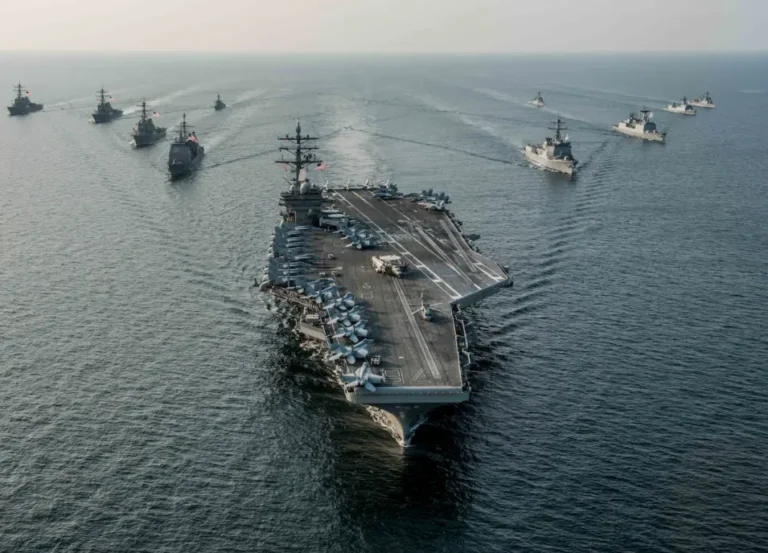
The United States has significantly increased its military presence in the Middle East, deploying over 50 advanced fighter jets and dispatching the USS Gerald R. Ford aircraft carrier toward the region, signaling a major escalation in strategic pressure amid stalled nuclear negotiations with Iran.
This rapid deployment marks one of the most visible American force projections in recent years, highlighting growing tensions in one of the world’s most critical energy and security corridors.
America’s Most Powerful Carrier Enters the Equation
The USS Gerald R. Ford (CVN-78), the world’s largest and most technologically advanced aircraft carrier, is currently moving toward the Middle East after passing through the Strait of Gibraltar. Once it joins existing US naval forces, including the USS Abraham Lincoln carrier group, the United States will operate dual-carrier strike capability in the region.
This dramatically increases America’s operational reach.

- The Ford-class carrier brings
- Fifth-generation F-35C stealth fighters
- F/A-18 Super Hornet strike aircraft
- Advanced radar and electronic warfare systemsMassive sortie generation capacity
Dual carrier operations allow the United States to sustain continuous air superiority, surveillance, and rapid strike capability across the Persian Gulf and Arabian Sea.
Massive Airpower Surge Signals Strategic Warning

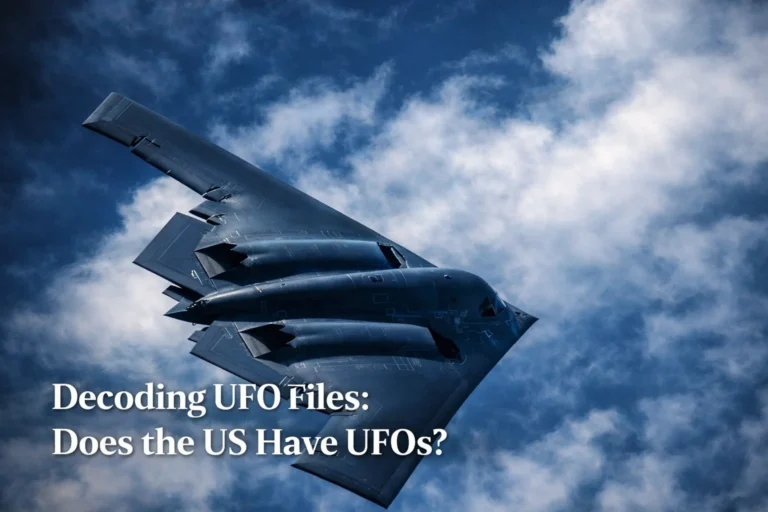
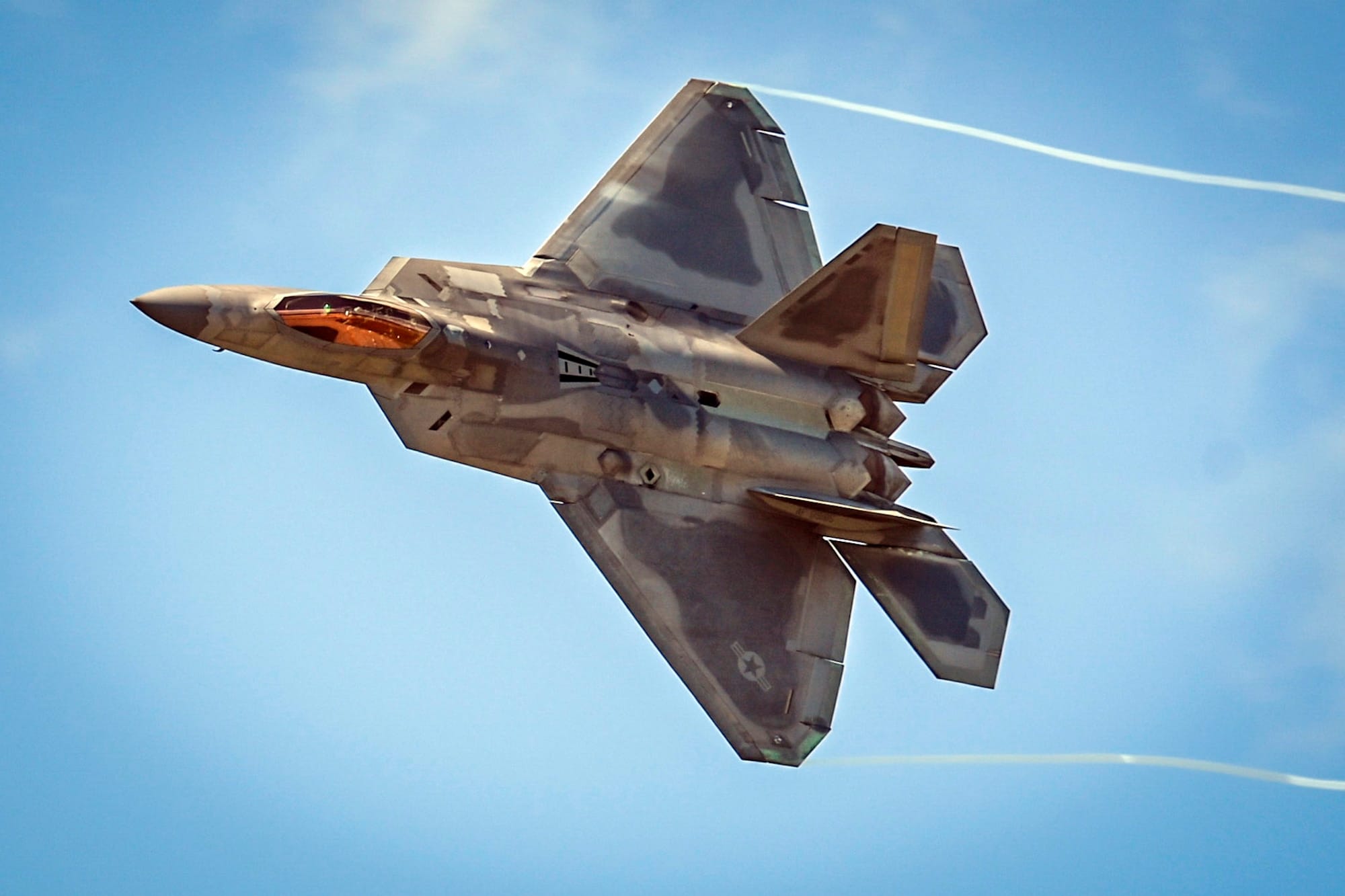
In parallel, more than 50 US fighter jets—including F-22 Raptors, F-35 Lightning II stealth fighters, and F-16 multirole aircraft—have been rapidly deployed to forward bases in the Middle East.
Such a concentrated deployment of stealth aircraft signals Washington’s readiness to enforce strategic red lines if negotiations collapse.
Iran Responds with Hormuz Military Drills
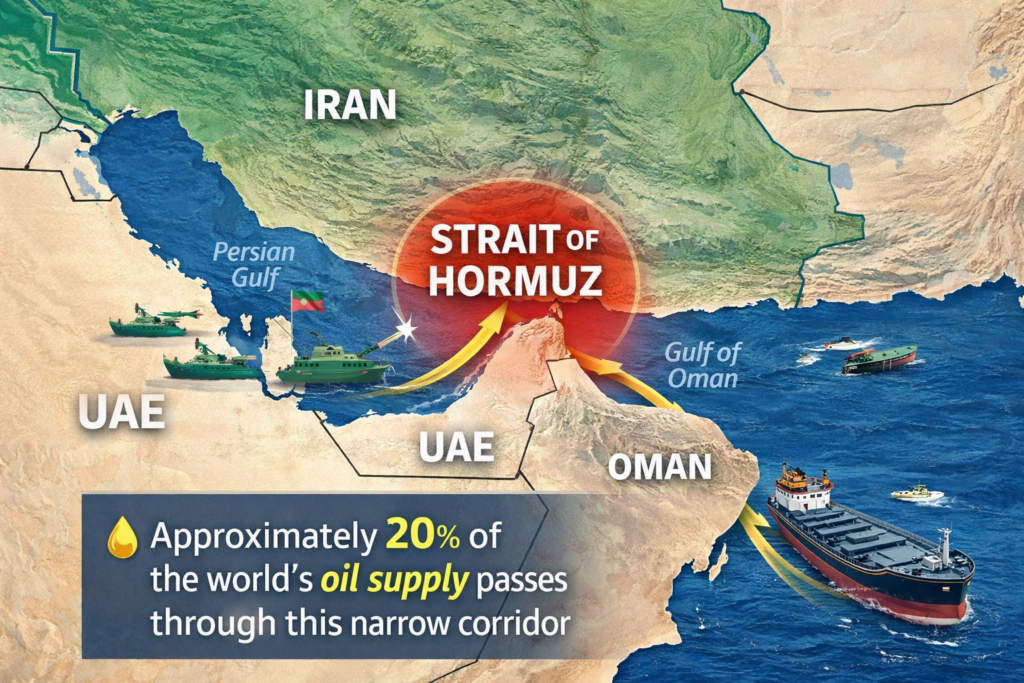
Iran’s Revolutionary Guard conducted naval drills designed to demonstrate its ability to control or disrupt shipping if conflict emerges.
Iranian leadership has issued strong warnings but has avoided direct confrontation so far.This creates a tense but controlled standoff.
Why This Matters Globally—and for India
This military buildup has far-reaching global consequences.
Energy Security
- Any disruption in the Strait of Hormuz could trigger immediate spikes in global oil prices, directly impacting India, which imports over 80% of its crude oil.
Strategic Stability
- The presence of two US aircraft carriers dramatically raises deterrence—but also increases the risk of escalation if miscalculations occur
Defense and Market Implications
- Heightened tensions historically increase volatility in defense, oil, and aerospace sectors—areas closely watched by Indian strategic planners and investors.
Strategic Signal, Not War—Yet
Despite the massive military buildup, there are no confirmed combat operations. The deployment appears designed primarily to deter Iranian escalation and strengthen America’s negotiating position in nuclear talks.
This is classic strategic signaling: demonstrating strength to prevent conflict.
However, the situation remains fluid.
The movement of the USS Gerald R. Ford represents not just a naval deployment—but a geopolitical message.A message that power is now in position.
This is a high-impact strategic development that reinforces the Middle East’s role as a global pressure point. While immediate war remains unlikely, the deployment significantly raises the stakes and shifts the balance of military leverage in favor of the United States.