The Iran Crisis and Pakistan’s Strategic Trap
This is not yet a declared war.is a tightening circle.
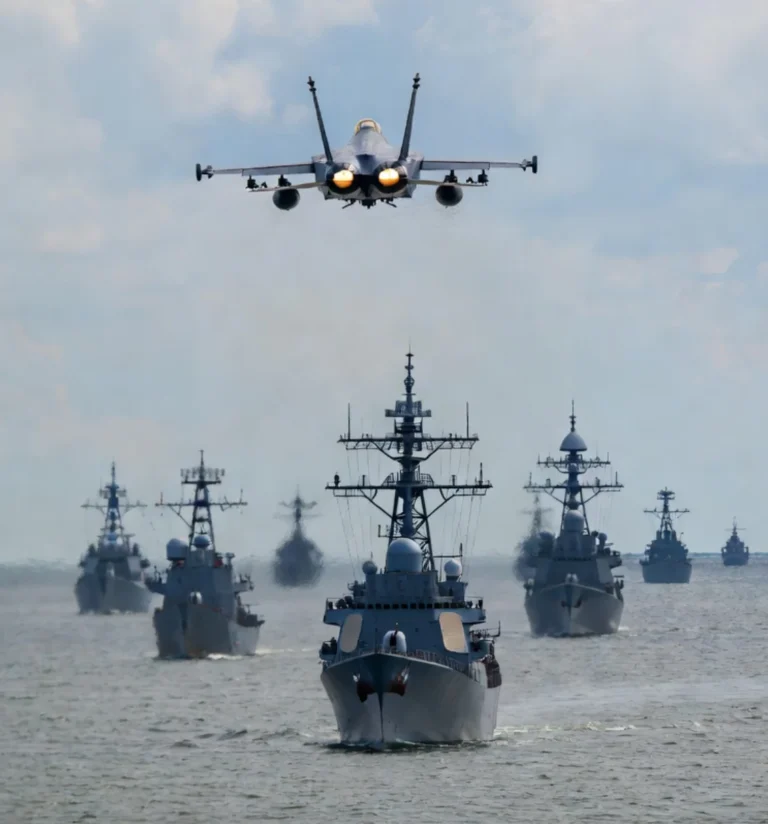
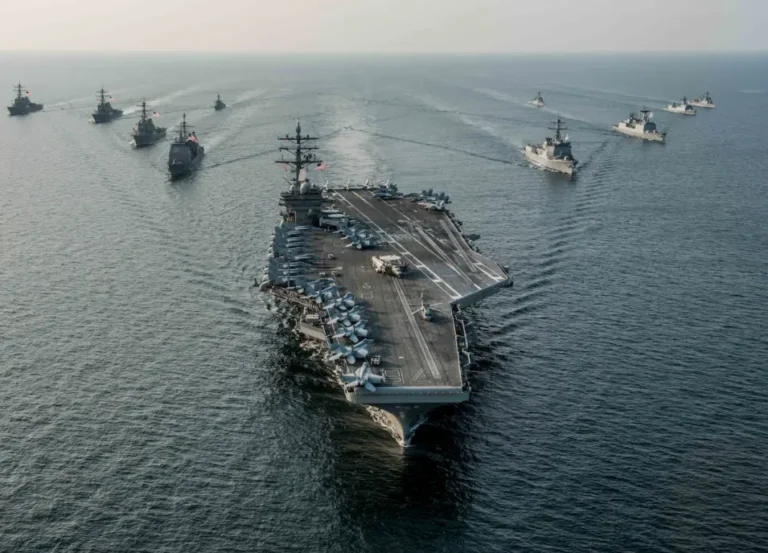
The United States is increasing military pressure. Iran is reinforcing deterrence. Diplomacy continues — but it moves under the shadow of force.
The real question is not whether missiles will fly tomorrow.The real question is, who will be forced to choose?
Pakistan’s Real Problem Is Not Iran?
Pakistan’s biggest concern in this crisis is not Tehran.
It is Washington.
If conflict escalates, the United States will seek operational leverage. Geography becomes currency in war. Pakistan’s western border touches Iran. Its territory offers proximity, logistical depth, and strategic positioning.
In war calculations, that matters.
If Washington decides that escalation requires surrounding Iran, Pakistan’s soil becomes part of the equation.
Not publicly. Not immediately.But structurally.
The Compulsion Dilemma for Pakistan
If Pakistan allows its territory to be used against Iran, the consequences are severe
- Sectarian backlash inside the country
- Balochistan instability
- Regional retaliation risk
- Domestic political fracture
But if Pakistan refuses, another cost emerges.
Strategic favor from Washington is not permanent, It is conditional.
- Investment promises.
- Rare earth cooperation.
- Energy exploration discussions.
- Diplomatic elevation.
- High-profile receptions in Washington
These are instruments of leverage.
- They create visibility
- They create relevance
- But they also create expectation
In geopolitics, elevation often comes with implied obligation.
The Marshal’s Burden
General Asim Munir’s red-carpet welcome in Washington projected restored strategic importance. It strengthened his domestic stature. It signaled that Pakistan was once again a player in regional equations.
But the same elevation can become constraint.In crisis conditions, prestige converts into pressure.If Washington expects alignment and Islamabad hesitates, the narrative shifts quickly — from partner to unreliable actor.The chair that elevated a leader can become a weight around his neck.This is not conspiracy.It is power mechanics.
Iran’s Strategy Is Survival?
Tehran understands its limitations.It cannot defeat the United States conventionally.
- So it builds deterrence layers
- Missiles
- Proxy forces
- Maritime disruption capability
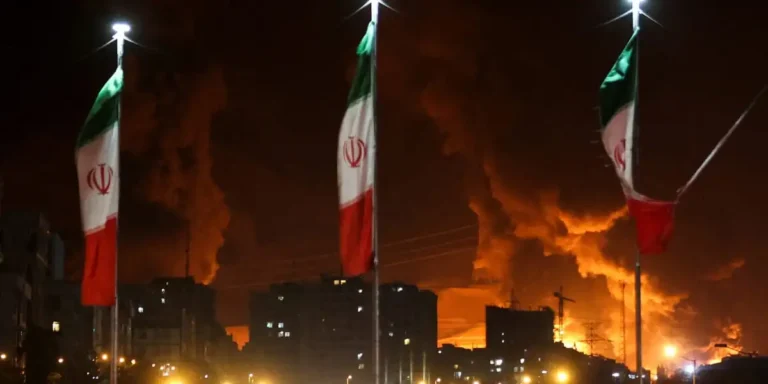
Iran’s doctrine is simple: make war too costly to initiate.If conflict begins, it will not be contained to one front.
- Hezbollah
- Iraqi militias
- Maritime chokepoints.
Is the Middle East on the Verge of a Major War?
Not inevitably.But the region is operating inside a high-risk corridor.The United States is building leverage.Iran is raising cost thresholds.
Pakistan is caught in between.
War does not begin with an announcement.It begins when one side believes the cost of restraint exceeds the cost of action.We are not at that point yet.But the positioning phase is real.
The Hard Reality
Pakistan does not want war with Iran.The United States does not want another occupation war.Iran does not want regime collapse.Yet each actor is moving pieces on the board.The danger lies not in intention — but in miscalculation.If escalation spirals, the battlefield will not be limited to one country.
Lebanon would burn.Iraq would destabilize.Energy markets would convulse.And Pakistan would face the hardest choice of all: alignment or isolation.Geography gives Pakistan importance.It does not guarantee safety.