US Deploys Second Aircraft Carrier Near Iran | Strike Plan Ready
US Iran Conflict 2026
Strategic Surge: U.S. Mobilizes Dual-Carrier Force as Diplomatic Window Narrows
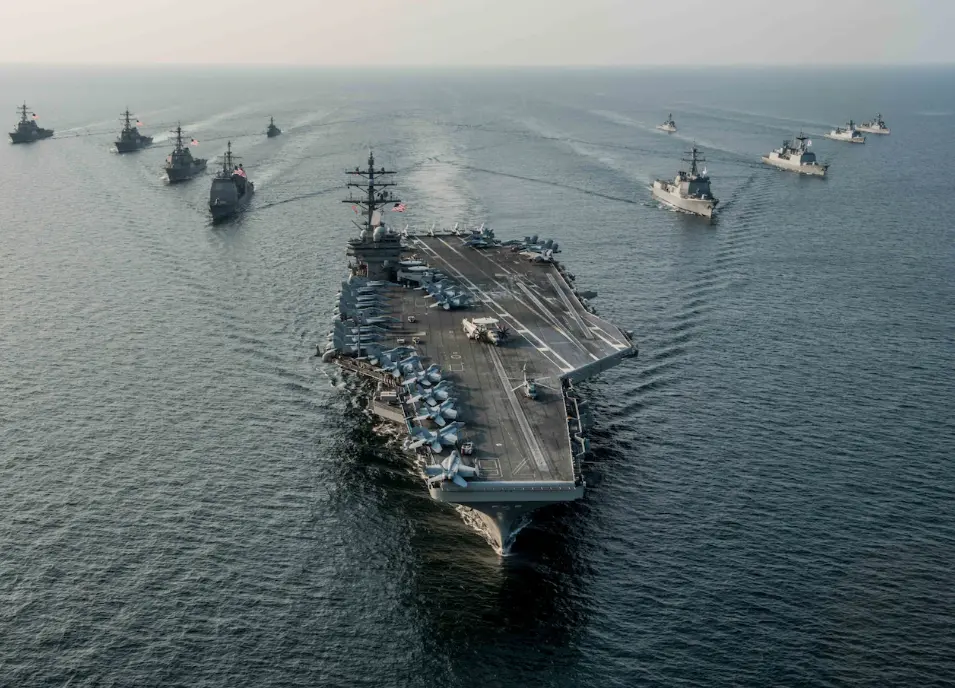
The Middle East has entered a new phase of high-intensity volatility. The United States has shifted from deterrence signaling to operational readiness with the deployment of a second aircraft carrier strike group.
Naval Surge: USS Gerald R. Ford
The USS Gerald R. Ford (CVN-78) joins the USS Abraham Lincoln in the Arabian Sea.
- 24-hour sustained flight operations capability
- Enhanced force projection across Gulf region
- Thousands of additional personnel deployed

Unlike previous limited engagements, military planners are preparing for a sustained campaign targeting strategic infrastructure and missile networks.
| Metric | United States Navy | Iranian Navy |
|---|---|---|
| Carrier Strike Groups | 2 (Active) | 0 |
| Total Fleet Assets | ~470+ | ~100+ |
| Submarines | 68+ Nuclear | ~20 Diesel |
| Total Tonnage | 8.2M Tons | 283K Tons |
Economic Impact: Oil markets remain sensitive to any disruption in the Strait of Hormuz. Even limited conflict could trigger significant volatility in global energy pricing.
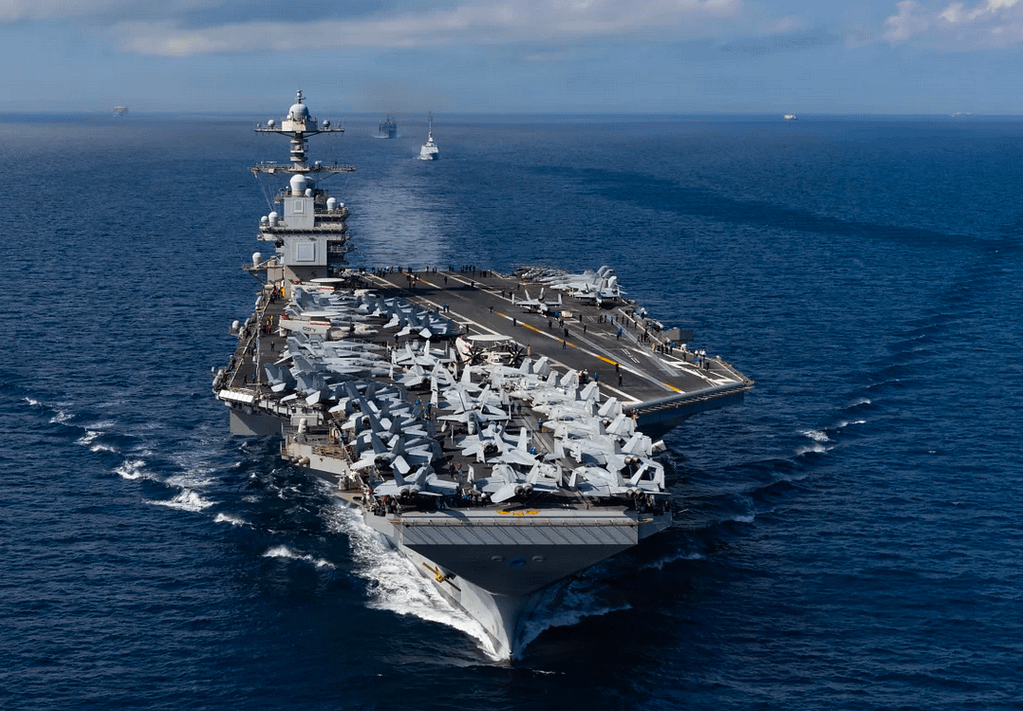
The Pentagon confirms dual-carrier deployment as Iran tensions escalate. Strike plans finalized, oil markets react, diplomatic window closing.
► The Strategic Calculus: What Washington Is Really Signaling
The visible escalation is military, but the underlying strategy reflects coercive diplomacy backed by overwhelming force. Deploying two carrier strike groups is designed to shape Tehran’s decision-making environment.
- Deterrence Through Dominance: Dual-carrier presence signals sustained response capability.
- Negotiation Leverage: Military readiness increases diplomatic pressure in Oman talks.
- Alliance Reassurance: Gulf states and Israel receive visible security guarantees.
► Iran’s Response Options: Limited or Asymmetric?
Iran’s conventional fleet remains smaller than the U.S. Navy, but Tehran traditionally relies on asymmetric strategies.
- Strait of Hormuz Disruption: Even symbolic interference could spike oil prices.
- Proxy Escalation: Allied militias across the region could target U.S. bases.
- Cyber Operations: Energy and financial infrastructure may face digital threats.
► Energy Flashpoint: Strait of Hormuz
Nearly 20% of global oil flows through this narrow corridor. Even limited tension can trigger major volatility.
- Potential Brent crude spike
- Rising marine insurance costs
- Inflationary pressure on oil-importing nations like India
► Scenario Analysis: Three Possible Outcomes
| Scenario | Probability | Market Impact |
|---|---|---|
| Diplomatic Breakthrough | Low–Moderate | Oil stabilizes, gold cools, defence stocks consolidate |
| Limited Precision Strikes | Moderate | Short-term oil spike, gold rallies, defence outperforms |
| Sustained Air Campaign | Low (High Impact) | Major oil surge, equity volatility, safe-haven assets rise |
► What to Watch Next (10-Day Window)
- Movement of U.S. strategic bombers
- Iranian missile dispersal patterns
- Israeli Air Force mobilization signals
- Brent crude futures breakout levels
- Emergency UN Security Council meetings
► Strategic Verdict
The dual-carrier deployment marks a shift from pressure to readiness. While diplomacy remains possible, the operational posture indicates that contingency planning is no longer theoretical.
The Middle East now sits in a controlled but volatile equilibrium — one miscalculation away from escalation.