US Iran Military Buildup Signals Critical Strategic Test for American Power
US Iran military buildup is rapidly emerging as one of the most dangerous geopolitical developments confronting American national security in 2026. Washington’s expanding military deployments across the Middle East signal a decisive shift from diplomatic containment to strategic deterrence, raising urgent questions about conflict risk, energy security, and America’s global power position.
For US policymakers, defense analysts, and strategic observers, the implications of this military buildup extend far beyond Iran. This moment represents a critical test of American credibility, deterrence strength, and its ability to maintain global stability in an increasingly multipolar world.
US Iran military buildup signals strategic escalation
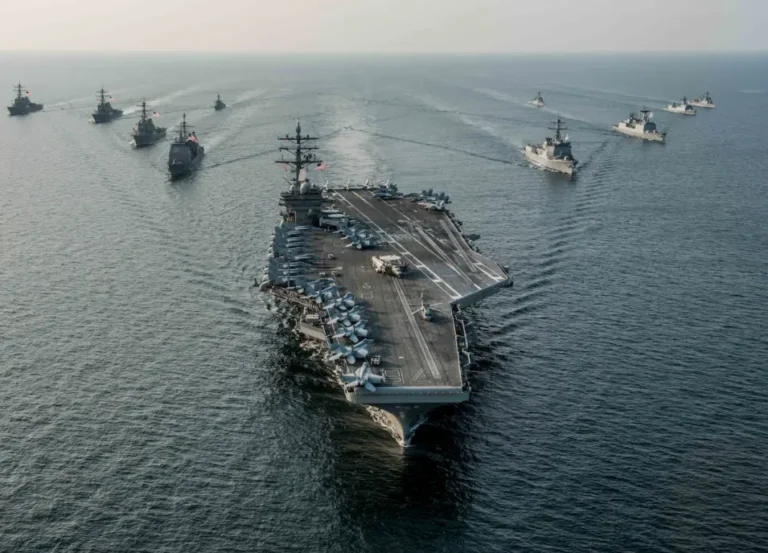
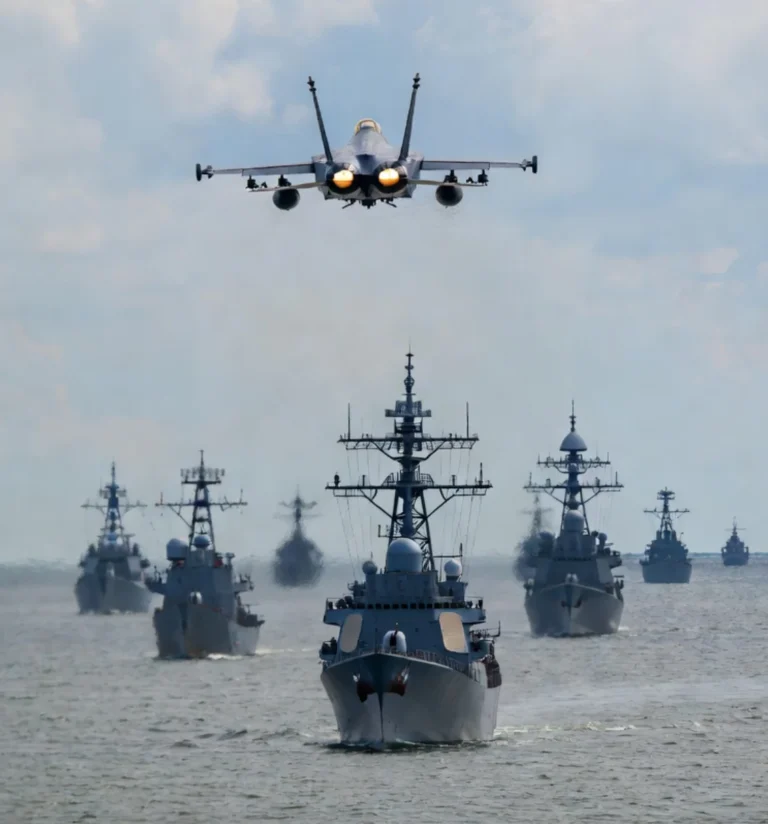
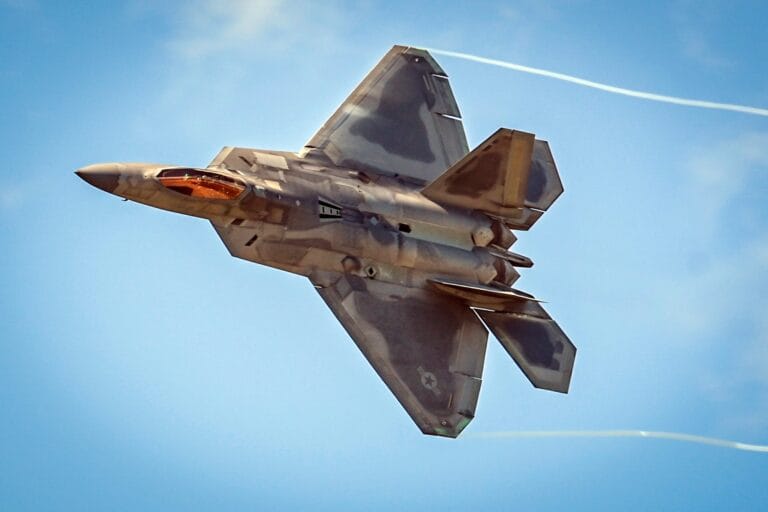
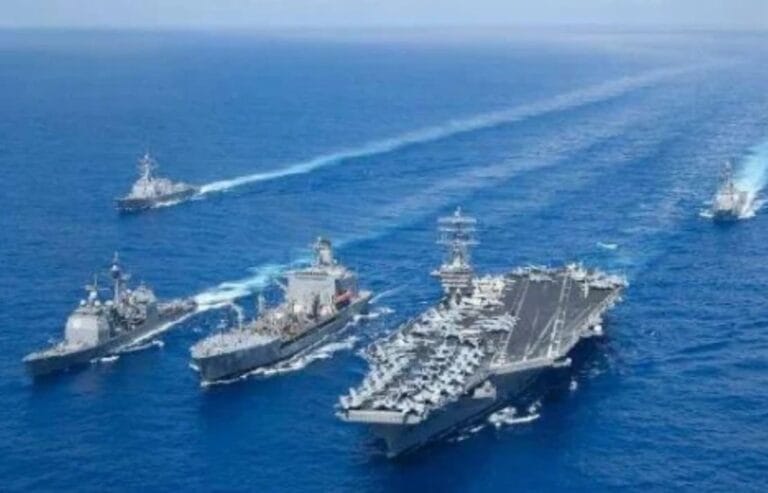
The US Iran military buildup reflects growing concern within the Pentagon that Iran’s expanding regional influence could directly threaten American military assets, allies, and energy supply routes. Aircraft carriers, advanced fighter squadrons, and missile defense systems have been repositioned to reinforce US operational readiness.
This powerful military positioning sends a clear and unmistakable signal: the United States remains fully prepared to defend its strategic interests. However, this assertive posture also introduces serious escalation risks that could destabilize global markets and security frameworks.
According to defense analysis from US Department of Defense, forward military deployments enhance deterrence but also increase the probability of confrontation when tensions remain unresolved.
Why the US Iran military buildup matters to American strategic dominance
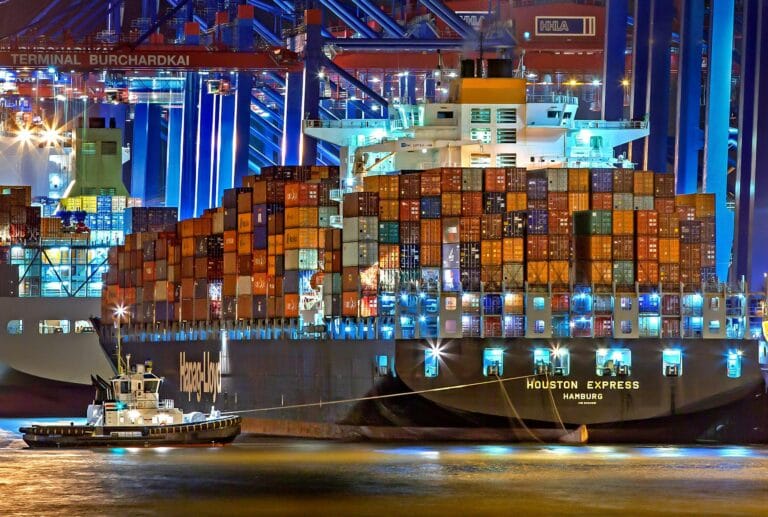
The US Iran military buildup directly affects America’s ability to maintain dominance in one of the world’s most critical regions. The Middle East remains central to global energy flows, and any disruption could produce severe economic consequences for American consumers and industries.
More importantly, US military credibility is under constant global scrutiny. Strategic rivals such as China and Russia are closely observing American responses to Iran. A strong, decisive posture reinforces US leadership, while hesitation could embolden adversaries.
This is particularly significant as Washington navigates simultaneous strategic challenges in Eastern Europe and the Indo-Pacific.
Economic risks and opportunities for the United States
The US Iran military buildup presents both dangerous risks and potential strategic opportunities. Rising tensions typically drive oil prices higher, which can negatively impact American inflation, consumer spending, and economic stability.
However, this situation also strengthens America’s strategic leverage. Increased global uncertainty often enhances demand for US security partnerships, defense exports, and diplomatic influence.
Strategic analysis published on Council on Foreign Relations highlights how military readiness reinforces deterrence and stabilizes alliance networks during volatile geopolitical periods.
US Iran military buildup and the future of American global leadership
The US Iran military buildup ultimately reflects a broader transformation in global power competition. America is no longer operating in a unipolar environment but confronting increasingly assertive rivals.
This moment presents both a powerful opportunity and a serious test. Effective deterrence could reinforce American global leadership and stabilize the region. Miscalculation, however, could trigger unintended escalation with severe consequences.
For American policymakers and strategic planners, the objective remains clear: maintain strength, preserve stability, and protect national interests while avoiding unnecessary conflict.
As previously analyzed in our internal strategic assessment, America’s technological and strategic infrastructure advantage remains a critical pillar of long-term global influence.
The outcome of the current US Iran military buildup will play a decisive role in shaping not only regional security but the future trajectory of American global leadership.
Strategic reality is clear: strength deters conflict, but miscalculation can ignite it.