Pentagon Expands Massive Military Deployment Near Iran
US military deployment in Middle East:Graphic Analysis
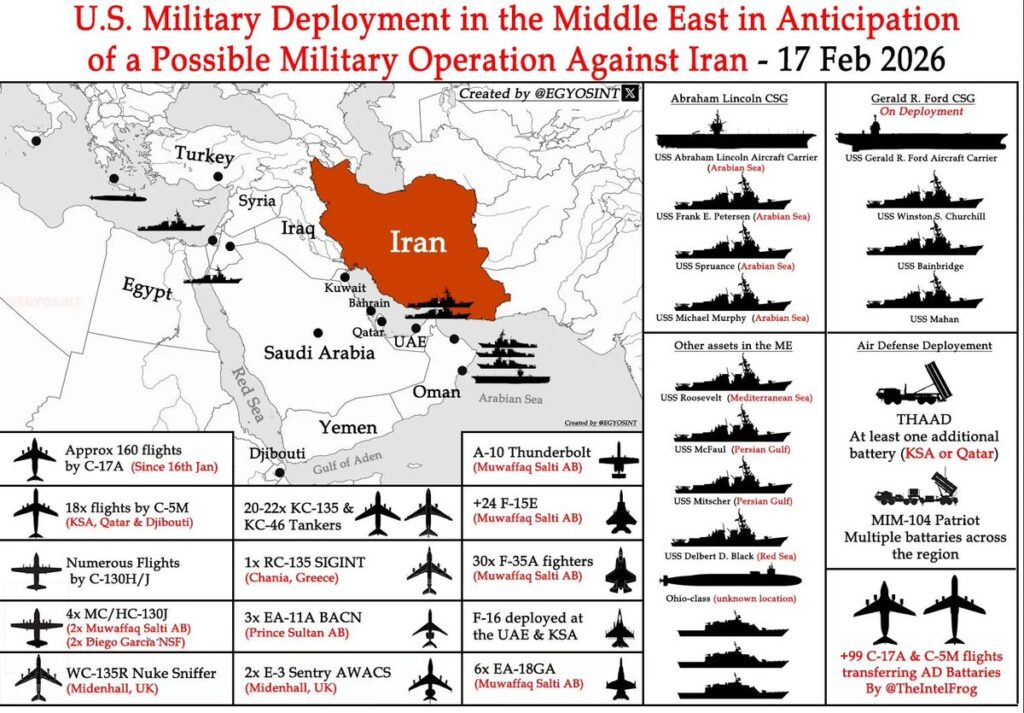
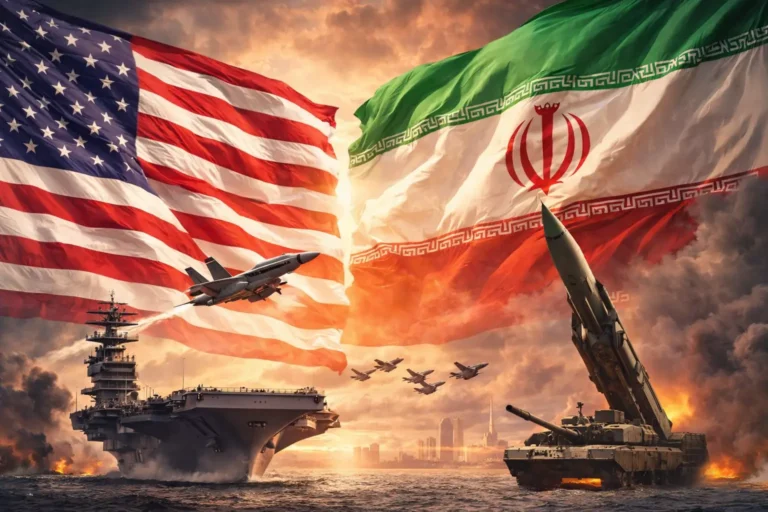
US military deployment in the Middle East has reached one of its most significant levels in recent years, signaling a powerful shift in American strategic posture amid rising tensions with Iran. New intelligence visuals and operational data reveal extensive air, naval, and missile defense deployments across critical regional locations.
This large-scale deployment reflects Washington’s growing focus on deterrence, force readiness, and protection of American interests in a volatile geopolitical environment.
US military deployment in the Middle East signals strategic readiness
The US military deployment in the Middle East includes multiple aircraft carrier strike groups, advanced fighter aircraft, and missile defense systems. Key assets include the USS Abraham Lincoln and USS Gerald R. Ford carrier strike groups, supported by destroyers, submarines, and air defense batteries.
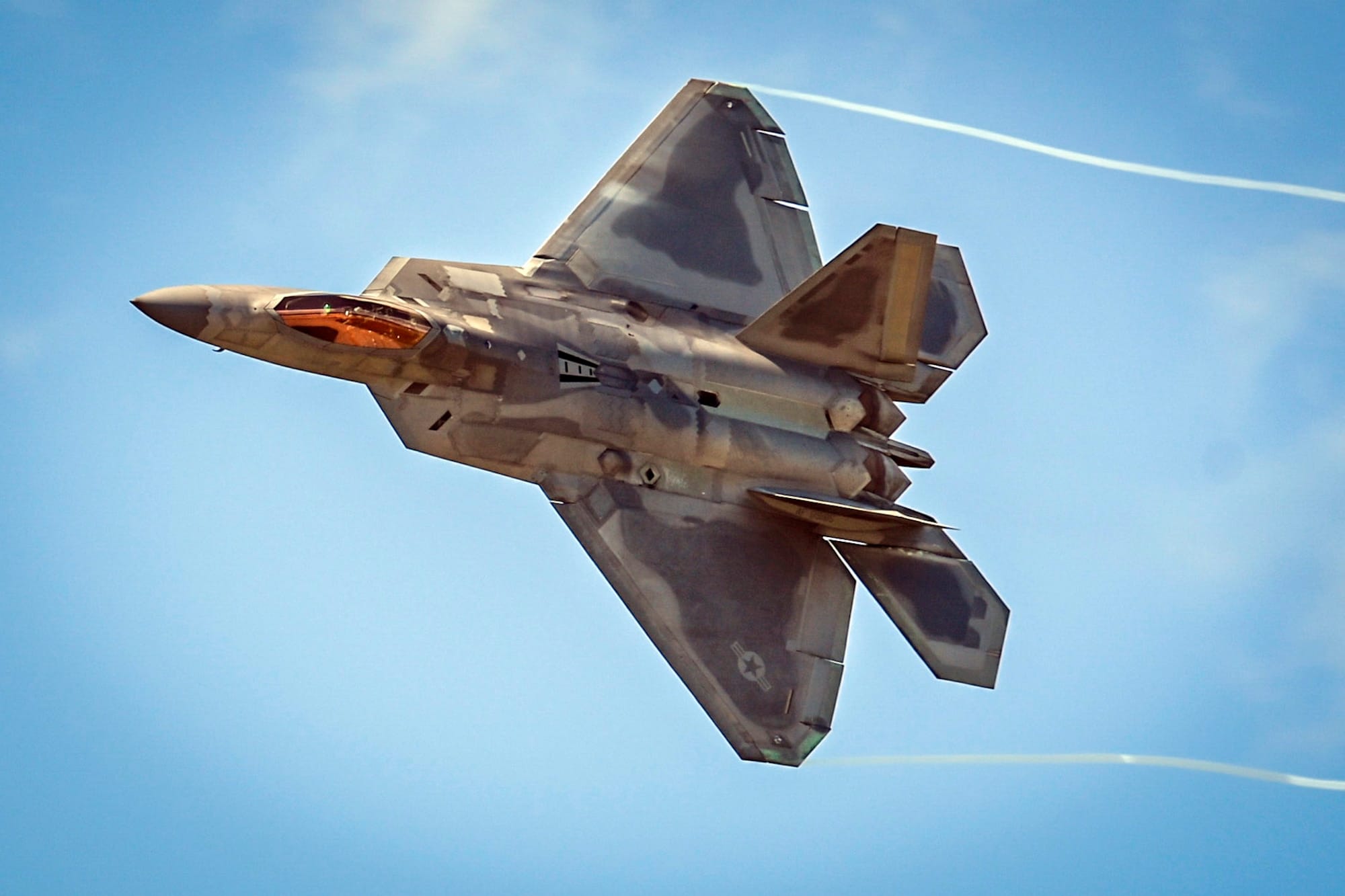
Advanced fighter aircraft such as the F-35A, F-15E, F-16, and A-10 Thunderbolt have been deployed to strategic airbases across Saudi Arabia, the UAE, and Jordan. These deployments significantly enhance America’s rapid strike capability and regional deterrence power.
In addition, Patriot missile defense systems and THAAD batteries have been positioned to protect US forces and allied infrastructure from potential missile threats.
Air mobility and logistics indicate sustained operational preparation
The US military deployment in the Middle East has been reinforced by extensive airlift operations. More than 160 strategic transport flights using C-17A Globemaster aircraft have transferred personnel, equipment, and defense systems into the region.
Refueling aircraft such as KC-135 and KC-46 tankers enable sustained air operations, extending the reach and endurance of US combat aircraft. Surveillance and intelligence platforms, including RC-135 reconnaissance aircraft and E-3 Sentry AWACS, provide critical situational awareness.
This level of logistical activity reflects serious operational preparation rather than routine military rotation.
Strategic implications for American global power and deterrence
The US military deployment in the Middle East serves multiple strategic objectives. First, it reinforces American deterrence posture against potential threats. Second, it reassures regional allies of continued US security commitment. Third, it strengthens Washington’s ability to respond rapidly to emerging crises.
Such deployments also send a powerful strategic signal to global competitors. Demonstrating military readiness enhances US credibility and helps maintain stability in a region critical to global energy supply and international trade.
According to analysis from the US Department of Defense, forward deployments are essential to maintaining deterrence, protecting US forces, and ensuring rapid operational response capability.
As previously analyzed by The Eastern Strategist, expanding military deployments reflect broader global power competition and evolving security dynamics.
The scale and speed of the current US military deployment in the Middle East indicate a decisive moment in American strategic positioning, with major implications for regional stability and global power balance.
The expansion of US military deployment Middle East reflects Washington’s strategic focus on deterrence, operational readiness, and protection of American interests. Forward positioning strengthens rapid response capability while reinforcing US global military credibility. Such deployments play a decisive role in maintaining stability, reassuring allies, and preventing escalation by demonstrating overwhelming strategic strength and preparedness.
The current US military deployment Middle East also reflects broader global strategic competition and evolving Pentagon doctrine focused on forward deterrence. By positioning aircraft carriers, advanced fighter aircraft, missile defense systems, and intelligence assets across key operational zones, the United States enhances its rapid response capability and strengthens regional stability. This deployment reassures American allies while sending a clear strategic signal to adversaries that Washington maintains overwhelming operational readiness. The scale, speed, and sophistication of this US military deployment Middle East highlight the Pentagon’s long-term commitment to preserving American global power, protecting critical trade routes, and ensuring national security interests remain secure in an increasingly volatile geopolitical environment.