Khamenei Dead: Why Did US Attack Iran With B-2 Bombers?
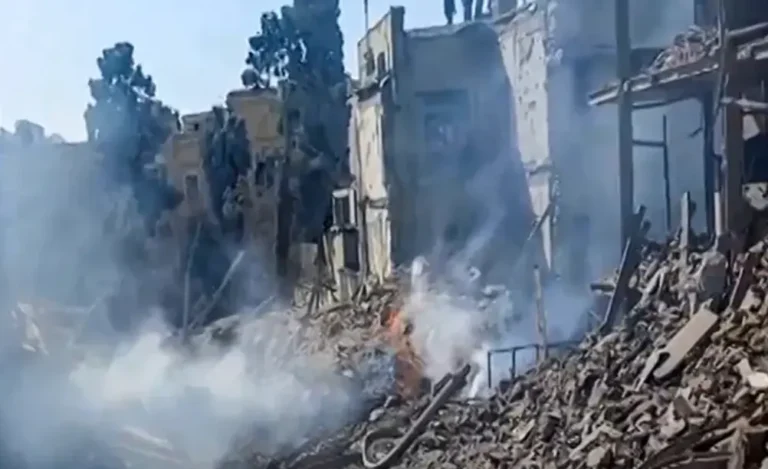
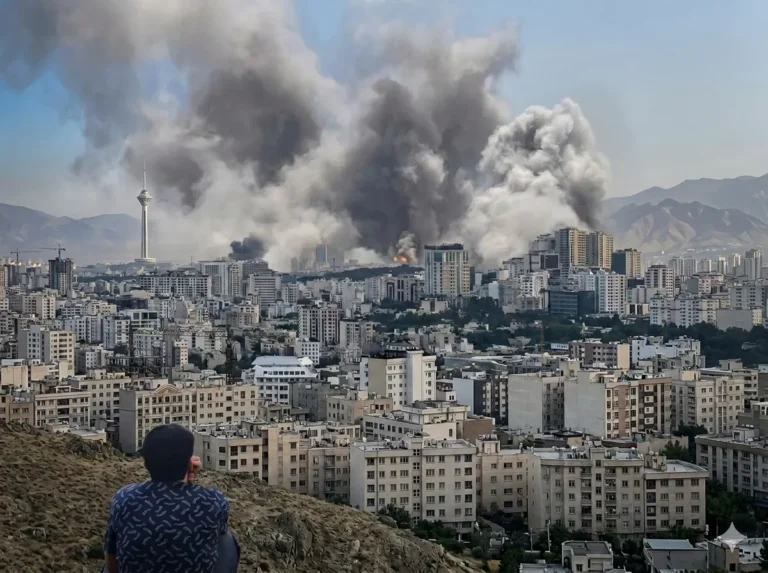
Why did US attack Iran with such unprecedented, devastating force? It is the existential question dominating global headlines and trending topics today following a single night that shattered decades of established military doctrine. While tactical details are still emerging from Tehran, multiple high-level intelligence sources and Iranian state media have officially confirmed the death of Supreme Leader Ali Khamenei, killed in a precision decapitation strike on his hardened residence in the capital. The joint U.S.-Israeli operations, “Epic Fury” and “Roaring Lion,” did not just deliver a massive kinetic blow; they reset the geopolitical chessboard of the Middle East, proving that no amount of concrete or geographic separation offers immunity against American resolve.
Operation Epic Fury: Why Did the U.S. Attack Iran Now?
The immediate strategic rationale behind Operation Epic Fury was twofold: to permanently neutralize Iran’s rapidly advancing nuclear breakout capability and to cripple its vast regional proxy network. For defense planners in Washington and Jerusalem, the intelligence indicating an imminent final push toward nuclear weaponization crossed the ultimate red line. By hitting hardened ballistic missile facilities and known centrifuge sites simultaneously, the allied forces executed a high-stakes preventive war designed to ensure that a regime that had consistently threatened regional stability could never match its apocalyptic rhetoric with atomic weaponry.
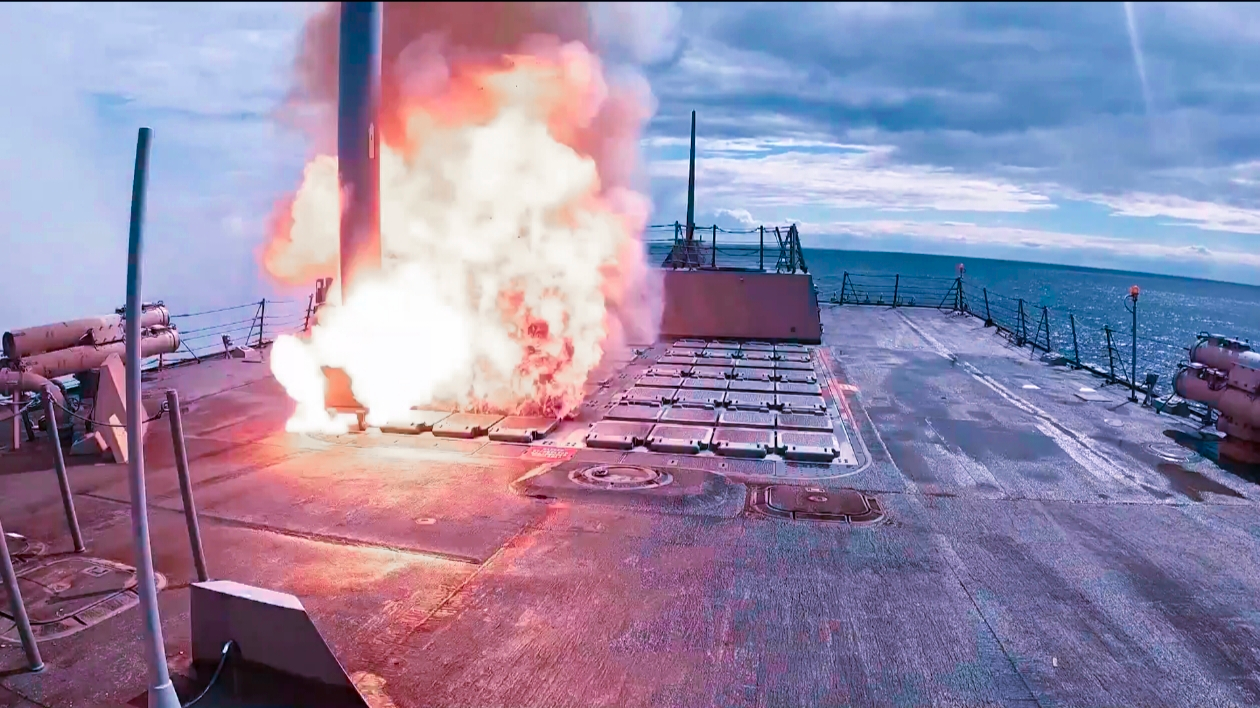
Furthermore, this campaign served as a decisive response to years of symmetric aggression from Iranian-backed groups. The U.S. signaled that it will no longer bleed through endless proxy skirmishes. By utilizing specific revolutionary weapons, the Pentagon shifted from reactive defense to proactive annihilation, striking the head of the snake rather than merely engaging its coils. This overwhelming show of force was calculated to restore America’s tattered deterrence in the region, sending a clear, unambiguous message to all adversaries that “America’s resolve” is both real and devastatingly effective.
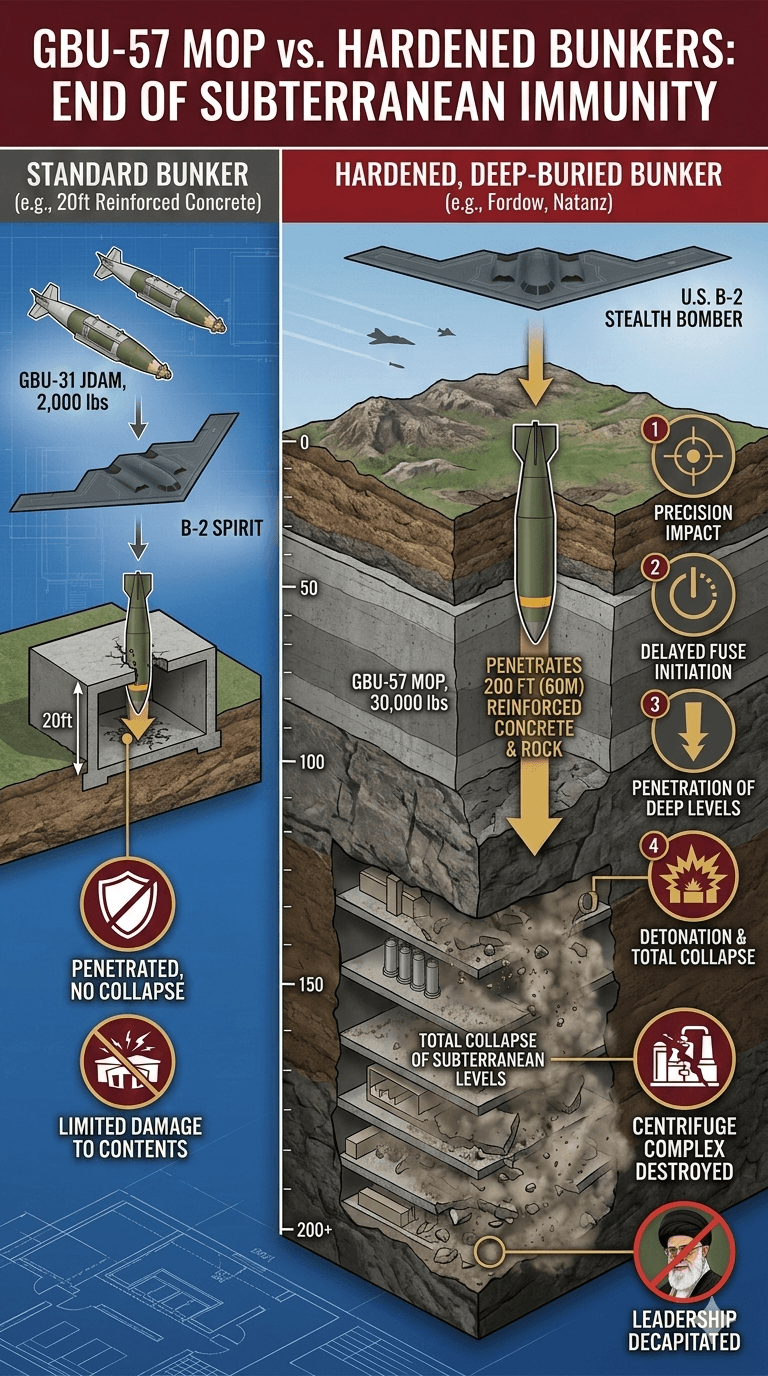 Visualized: The Bunker Buster’s Lethal Precision
Why did us attack iran:The 30,000-lb ‘Hammer’ and the End of Bunkers
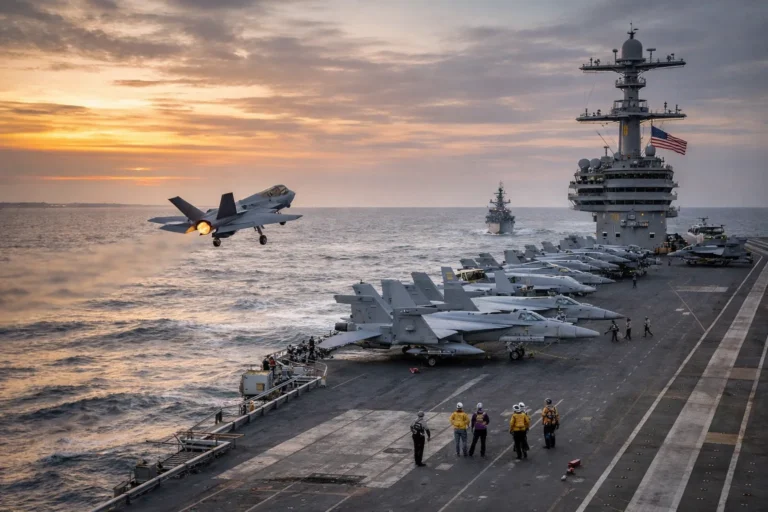
The first strategic surprise of the operation was the precision of the allied heavy bombers. U.S. B-2 Spirit stealth bombers flew extraordinary non-stop missions from Missouri to Iran to drop the GBU-57 Massive Ordnance Penetrator (MOP). This 30,000-pound monster—the largest conventional bomb in the arsenal—served as the strategic “hammer” that shattered Tehran’s defensive reality. Witnesses from across the region described “super-explosions” whose low-frequency rumbles felt like major earthquakes, a testament to the MOP’s unparalleled ability to detonate deep underground, collapsing entire facility chambers and proving that subterranean fortresses are now little more than elaborate tombs.
Strategic Irony: The ‘Kamikaze’ Drone That Rewrote the Rules
While B-2s delivered the heavy hammer, the conflict also marked a revolutionary debut of a new form of American asymmetry: the LUCAS (Low-cost Unmanned Combat Attack System). This represents the ultimate strategic irony of the entire war. For a decade, Iran cultivated a low-cost “swarming” strategy using “one-way” attack drones like the Shahed-136. The United States turned this exact playbook against its architect. The LUCAS drone is, for all intents and purposes, a reverse-engineered American equivalent. By mass-producing thousands of these $35,000 “disposable” drones, the Pentagon introduced a “high-low” mix—using $2 billion bombers for hardened critical targets and thousands of cheap, guided drones to overwhelm Iranian air defenses and attack mobile missile launchers.
Beyond Tehran: The Terrifying Fallout and Dubai Attacks
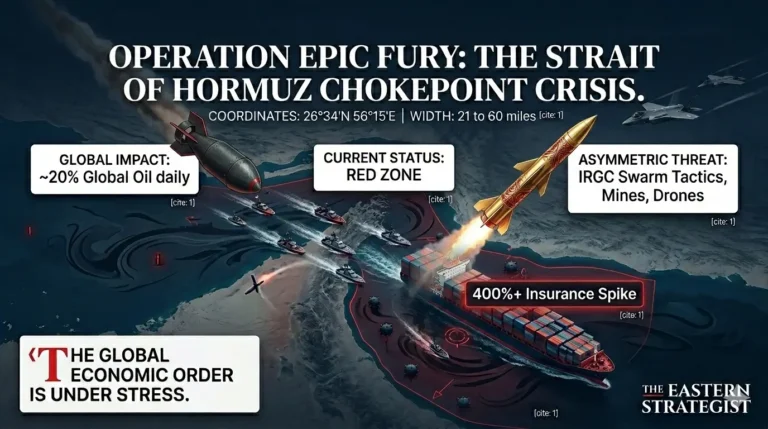
The immediate consequences of this operation have been destabilizing and spill rapidly across borders. Retaliatory strikes on U.S. and allied interests across the Gulf states have dominated the narrative on X. The trend #Dubaiattack became terrifyingly real when intercepted Iranian drone debris caused a significant fire on the facade of the iconic Burj Al Arab hotel. Other strikes hit the Fairmont hotel on the Palm Jumeirah development and caused minor damage at Dubai International Airport (DXB), causing widespread flight suspensions and economic panic in what has historically been a safe haven. This immediate retaliation proves the conflict is already shifting from a surgical decapitation strike to a messy, chaotic regional war.
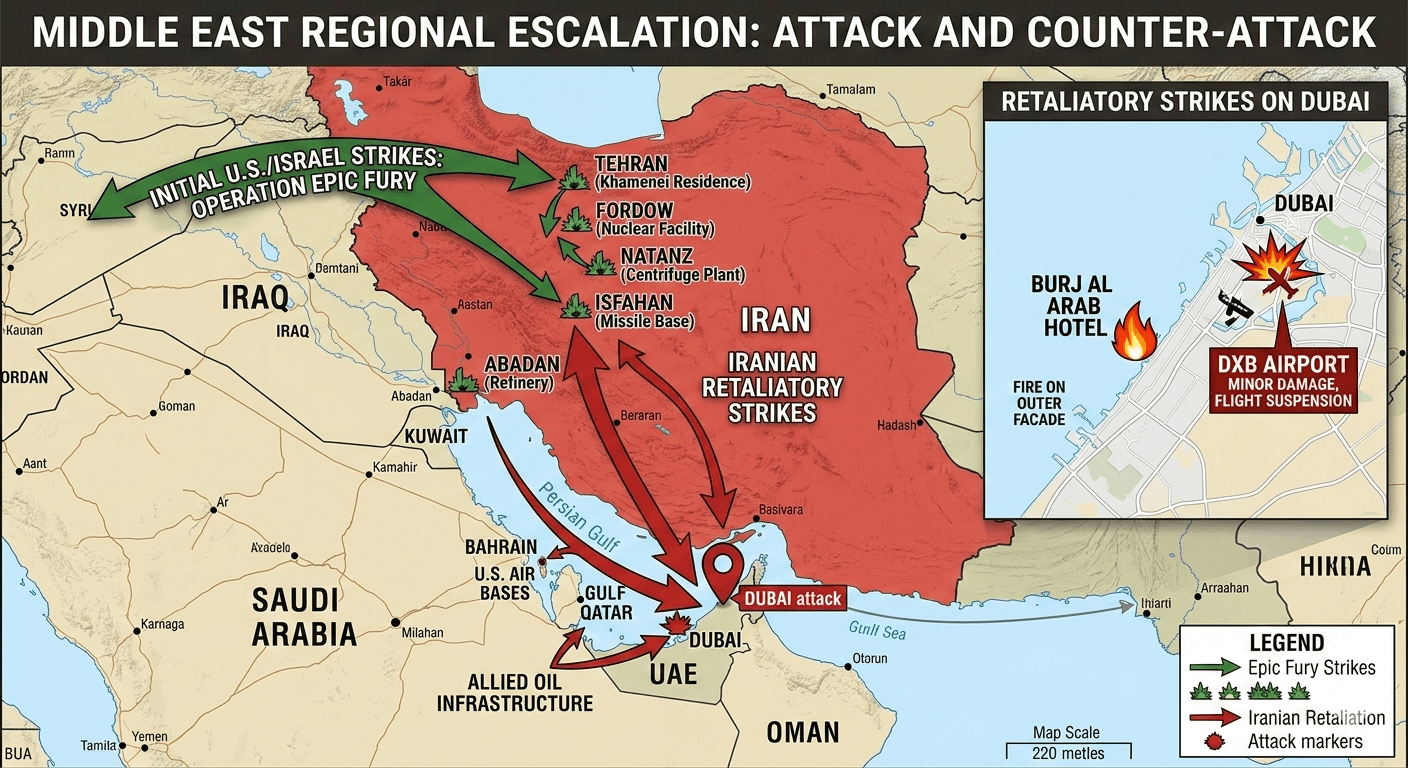 Mapped: The Burning Perimeter of the Regional Escalation
This tactical earthquake does not exist in a vacuum. The foundations for this devastating climax were steadily building, as previously detailed in our comprehensive strategic analysis of the 2026 Iran War. The sheer scale of Operation Epic Fury has done more than just degrade Iranian infrastructure; it has pushed the Middle East to the brink of a broader regional war, prompting urgent diplomatic interventions. For defense planners in New Delhi, the lethal effectiveness of these asymmetric drone swarms will influence India’s own military power and modernization strategy.
The age of reliance on reinforced concrete as strategic immunity is over. As the dust settles over the rubble of Tehran and smoke rises in the Gulf, one thing is certain: the rulebook for modern conflict has been rewritten with brutal precision. The power dynamic has fundamentally shifted, and the geopolitical consequences will resonate for decades to come.