The Tejas Truth: HAL Stock Analysis Amid the Global Propaganda War
In this comprehensive HAL Stock Analysis, we decode the “Tejas Truth” to separate coordinated geopolitical propaganda from the reality of India’s aerospace industrial rise.
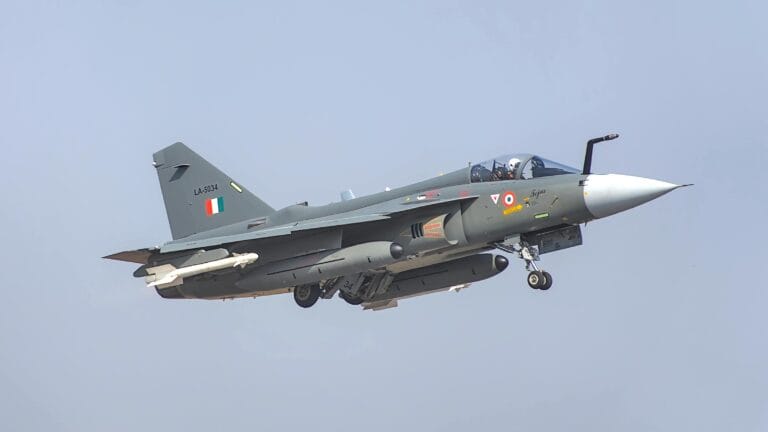
The recent incident involving an LCA Tejas Mk1 at a frontline airbase has triggered an unprecedented information war, with several Pakistani Twitter handles immediately posting fake, recycled images of older aircraft crashes to manufacture a narrative of failure. While these digital “bot swarms” attempted to manipulate market sentiment, our HAL Stock Analysis reveals that the underlying strategic growth remains unshaken despite the intraday pressure on shares near ₹4,037.The real story isn’t about a landing gear glitch; it is about a coordinated, transnational attempt to rebrand a minor technical snag into a catastrophic strategic failure to undermine India’s aerospace ecosystem.
1. The Reality: HAL’s Official Clarification vs. The “Crash” Propaganda
To provide a factual HAL Stock Analysis, we must first establish the ground reality. The immediate narrative pushed by certain media handles was that a Tejas fighter had crashed—the “third” in recent history. This prompted a firm official clarification from HAL on February 23, 2026.
HAL categorically debunked these “fake news reports,” stating there was “no reported crash of the LCA Tejas”. The event was a “minor technical incident on ground” during the landing phase. This high level of scrutiny often follows major regional shifts, much like the Jerusalem Gambit reshaping Middle East power balances.
Internal Factors in HAL Stock Analysis
Despite the “noise,” the core fundamentals of HAL remain unshaken. The company’s safety protocols and engineering standards are world-class, but propaganda lovers thrive on the “Little knowledge is a dangerous thing” phenomenon. Without HAL consultation, many critics start evaluating capabilities they do not understand.
2. Why So Much Noise? The “Targeting” of an Aerospace Giant
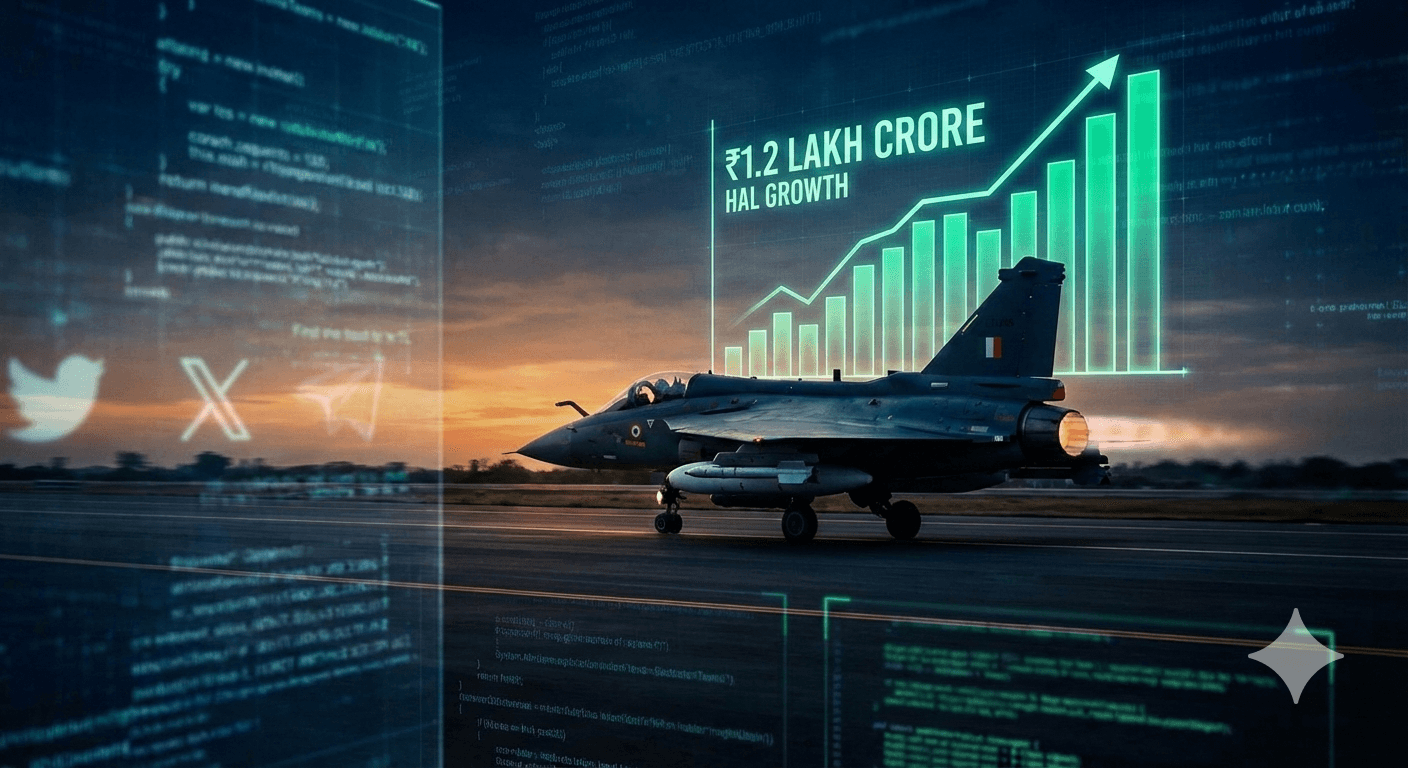
The intensity of the negative coverage is directly proportional to HAL’s success. Why does a landing excursion on a Tejas get more international coverage than a catastrophic crash of a Western fighter? Because HAL is no longer just a domestic manufacturer; it is an emerging global exporter with a **₹1.2 Lakh Crore pipeline**.
Who is Jealous of the Tejas Success?
The “jealousy” is both economic and strategic. The Tejas Mk1A is now a direct competitor to established fighters like the Swedish Gripen and the American F-16. Every export interest is a threat to the profit margins of global defense giants. Regional rivals, specifically active on “Pakistani Twitter,” have become the primary amplifiers of HAL “failure” narratives to damage the global brand.
3. Valuation Fear vs. The Reality of a Monopoly Giant
In any HAL Stock Analysis, the word “overvalued” is often thrown around by those with a short-term view. While major global brokerage houses have set price targets significantly higher than the current market price (some reaching **₹4,950**), retail investors often succumb to valuation fear.
HAL Stock Analysis: Comparing Global Valuations
Many global technology and defense companies maintain much higher valuations than HAL despite having less of a monopoly. For instance, Netweb Technologies reflects a similar growth trajectory in India’s sovereign AI infrastructure.
- Monopoly Power: HAL holds a strategic monopoly on IAF’s Maintenance, Repair, and Overhaul (MRO) for the next decades.
- Economic Rise: As India becomes the 3rd largest economy, HAL is positioned to become a giant of aerospace like Lockheed Martin or Boeing.
- Strategic Necessity: With adversaries on the border, India’s rise and HAL’s rise are inseparable. This is as critical as tracking the 2026 outlook for gold and silver during geopolitical volatility.
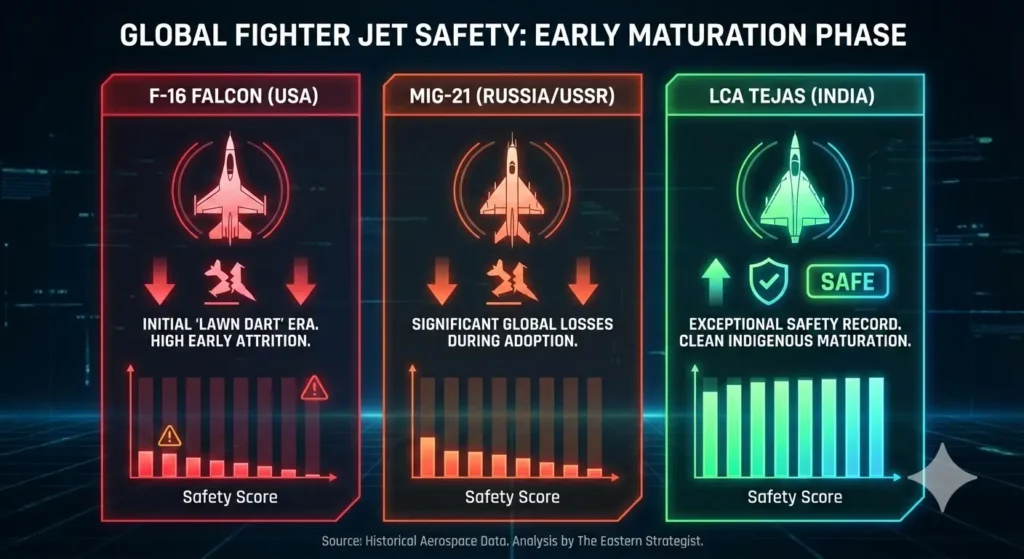
4. The Crash History: A Global Reality Check
To provide a balanced HAL Stock Analysis, we must look at the historical maturation of fighter jets. Armchair critics often forget that “accidents happen” in aerospace development, but why is HAL specifically on target?
| Aircraft Type | Origin | Developmental Reality |
|---|---|---|
| F-16 Falcon | USA | Initially called the “Lawn Dart” due to extreme early crash rates. |
| MiG-21 | Russia | Massive attrition rates during its global adoption phase. |
| LCA Tejas | India | Cleanest safety record for an indigenous first-gen fighter in modern history. |
5. Is HAL’s Growing Capability Breeding Discomfort?
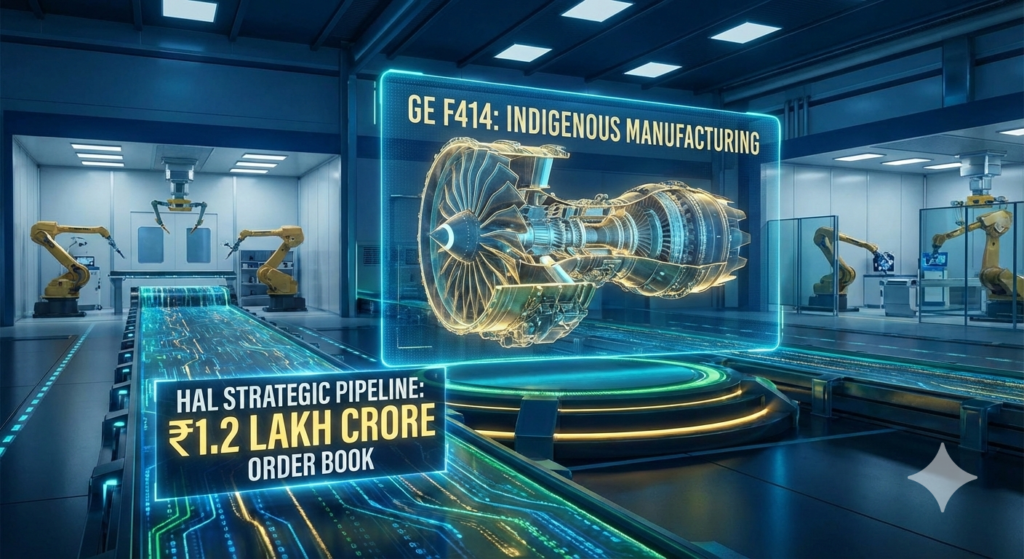
Yes. The discomfort stems from the GE F414 Engine Agreement and the AMCA project. Propaganda lovers thrive on short-term glitches because they cannot stop the long-term strategic shift. When a landing gear snags, they cheer; when a ₹48,000 Crore order is signed, they stay silent.
The Strategy Verdict: In this HAL Stock Analysis, the conclusion is clear: look past the digital noise. The ₹1.2 Lakh Crore pipeline is real. The technological sovereignty is real. The propaganda is simply proof that HAL is finally big enough to be a target for those jealous of India’s success.
The Strategy Verdict: In this HAL Stock Analysis, the conclusion is clear: look past the digital noise. The ₹1.2 Lakh Crore pipeline is real, and the technological sovereignty is undeniable. For a deeper look at the official numbers, you can review the HAL Annual Report. The current propaganda is simply proof that HAL is finally big enough to be a global target.