After Operation Sindoor, India Fast-Tracks Indigenous Production of HAMMER Precision Strike Weapons
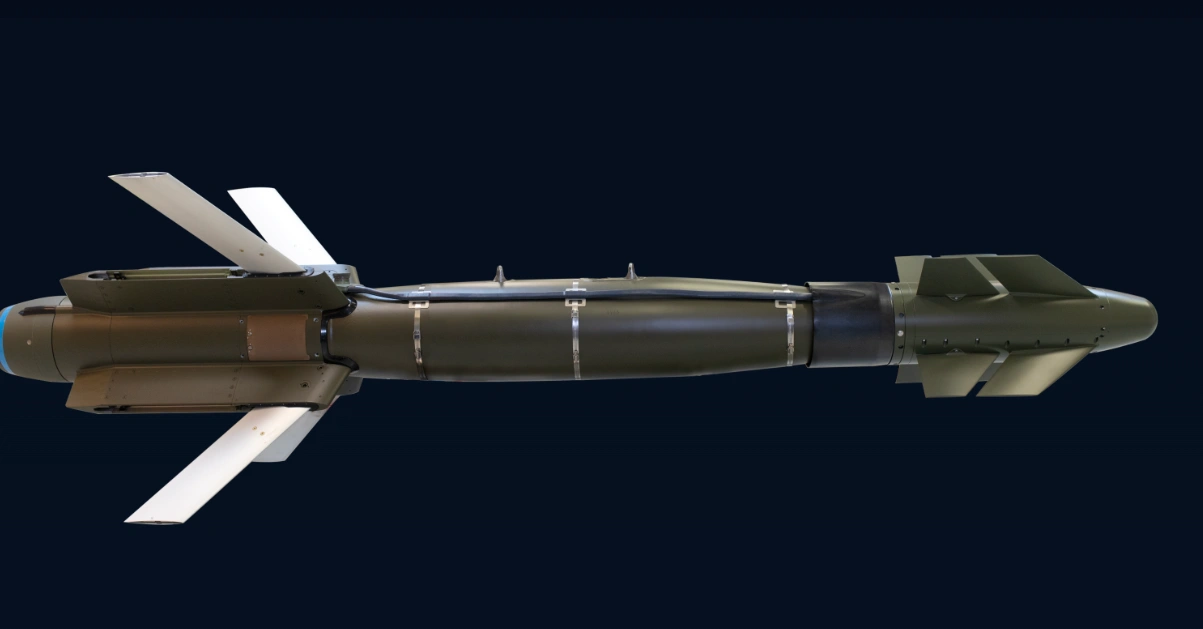
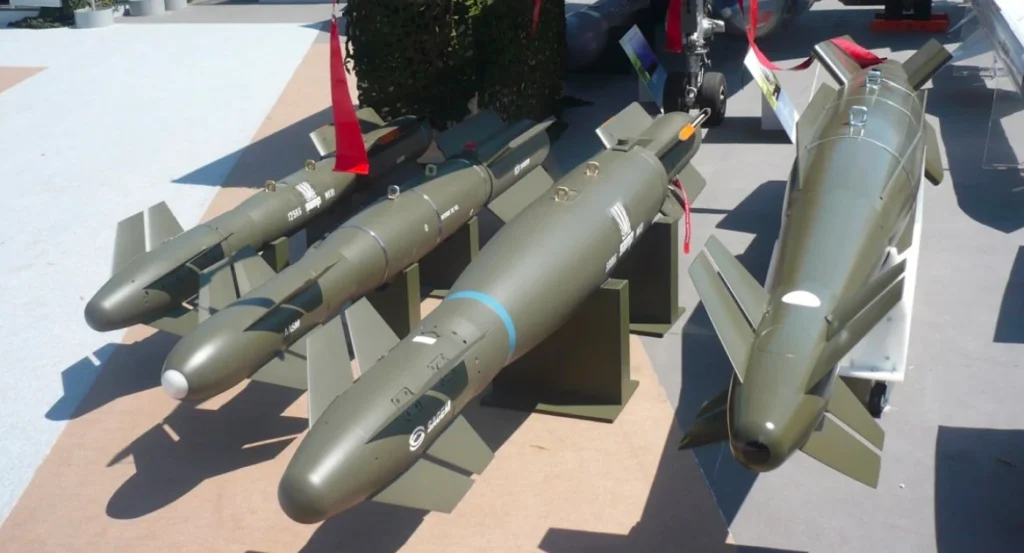
HAMMER munition India production begins under BEL-Safran deal.
BEL-Safran HAMMER Deal: India’s ₹3,200 Crore Bet on Indigenous Precision Weapons After Operation Sindoor
Combat-proven HAMMER munitions move from Rafale strikes to domestic production, marking a major shift in India’s precision strike and defense manufacturing capabilities.
New Delhi — February 2026: Bharat Electronics Limited’s approval of a joint venture with France’s Safran Electronics & Defense marks a defining moment in India’s defense industrial evolution. The ₹3,200 crore program to manufacture HAMMER precision-guided munitions domestically reflects a deliberate shift from dependence on imports to sovereign production of combat-critical weapons.
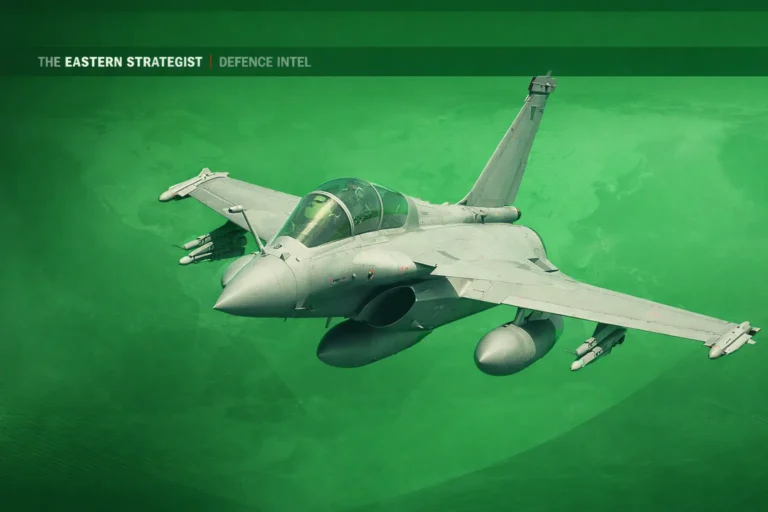
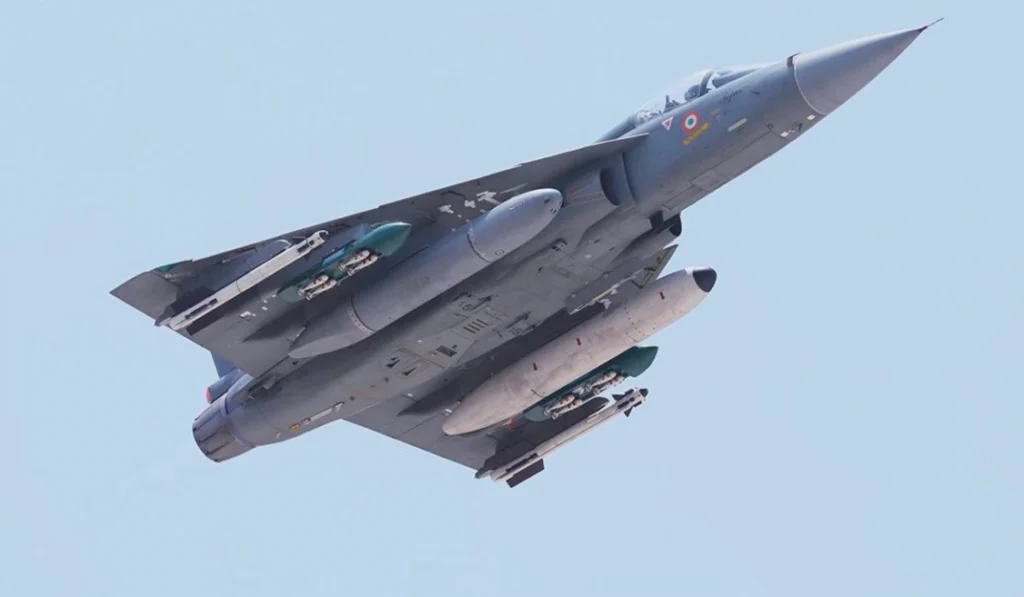
The timing reflects strategic urgency. HAMMER munitions demonstrated decisive operational effectiveness during Operation Sindoor in May 2025, where Indian Air Force Rafale fighters neutralized fortified terrorist infrastructure across Pakistan and Pakistan-occupied Kashmir with exceptional precision and zero collateral damage.
The transition from battlefield validation to domestic manufacturing signals India’s move toward sustained precision warfare capability — reducing foreign dependency while strengthening long-term deterrence.
Key Deal Snapshot
- Joint Venture: BEL (India) + Safran (France)
- Ownership: 50:50 Partnership
- Production Location: Pune, India
- Indigenization Target: 60%
- Production Target: 30,000 guidance kits annually
- Primary Users: Indian Air Force and Indian Navy
From Combat Validation to Strategic Production
Operation Sindoor provided real-world validation of HAMMER’s combat effectiveness. Within a tightly executed 25-minute strike window, Indian Rafale aircraft successfully engaged hardened targets while remaining outside hostile air defense envelopes.
HAMMER’s standoff capability — extending up to 70 kilometers — allows strike aircraft to neutralize targets without crossing contested airspace. This dramatically reduces aircraft vulnerability and enhances mission survivability.
Guidance Systems
- GPS-INS navigation
- Infrared homing capability
- Laser designation option
- Jamming-resistant targeting
Strike Performance
- Range: 15–70 km
- Payload: 125 kg to 1,000 kg
- High precision targeting
- All-weather operational capability
The weapon’s modular architecture enables flexible mission profiles — from bunker penetration to infrastructure neutralization — making it a critical component of India’s evolving precision strike doctrine.
Industrial Expansion and BEL’s Strategic Growth
The joint venture expands Bharat Electronics Limited’s operational footprint into the high-value precision munitions segment, complementing its leadership in radar, electronic warfare, and communications systems.
BEL’s strong financial trajectory provides the foundation for this expansion.
BEL Financial Snapshot (FY26)
| Revenue | ₹7,154 crore |
| Net Profit | ₹1,580 crore |
| Order Book | ₹78,000 crore+ |
| Annual Growth Guidance | 15–17% |
At full production capacity, the HAMMER program could generate ₹2,400–3,000 crore annually, strengthening BEL’s role as a central pillar of India’s defense manufacturing ecosystem.
Strategic Implications: India’s Precision Warfare Transition
The BEL-Safran partnership reflects India’s broader strategic objective under the Atmanirbhar Bharat initiative — combining foreign technology partnerships with domestic production capability to accelerate defense self-reliance.
Rather than waiting decades for fully indigenous systems, India is leveraging strategic joint ventures to rapidly build operational capability while developing domestic expertise.
Strategic Outcomes
- Reduced dependency on imported precision weapons
- Strengthened Indo-French defense partnership
- Expanded domestic defense manufacturing ecosystem
- Enhanced Indian Air Force strike capability
- Foundation for future indigenous weapons programs
As India modernizes its armed forces amid evolving regional threats, domestic production of combat-proven precision weapons represents a decisive shift toward strategic autonomy.
The HAMMER joint venture is not merely a manufacturing program — it represents India’s transition into a precision warfare power with sovereign industrial capability.
The Eastern Strategist — Strategic Affairs. Defense. Geopolitics.