The Rise of a Military Superpower: Inside India’s Game-Changing Showcase at WDS Riyadh 2026
India at wds Riyadh 2026
The global defense landscape is witnessing a seismic shift as India transitions from one of the world’s largest importers to a burgeoning export powerhouse. This transformation was on full display at the World Defence Show (WDS) 2026 in Riyadh, Saudi Arabia, where New Delhi projected its military-industrial strength under the “Make in India, Make for the World” initiative.
The Riyadh Showcase: India’s Manufacturing Prowess
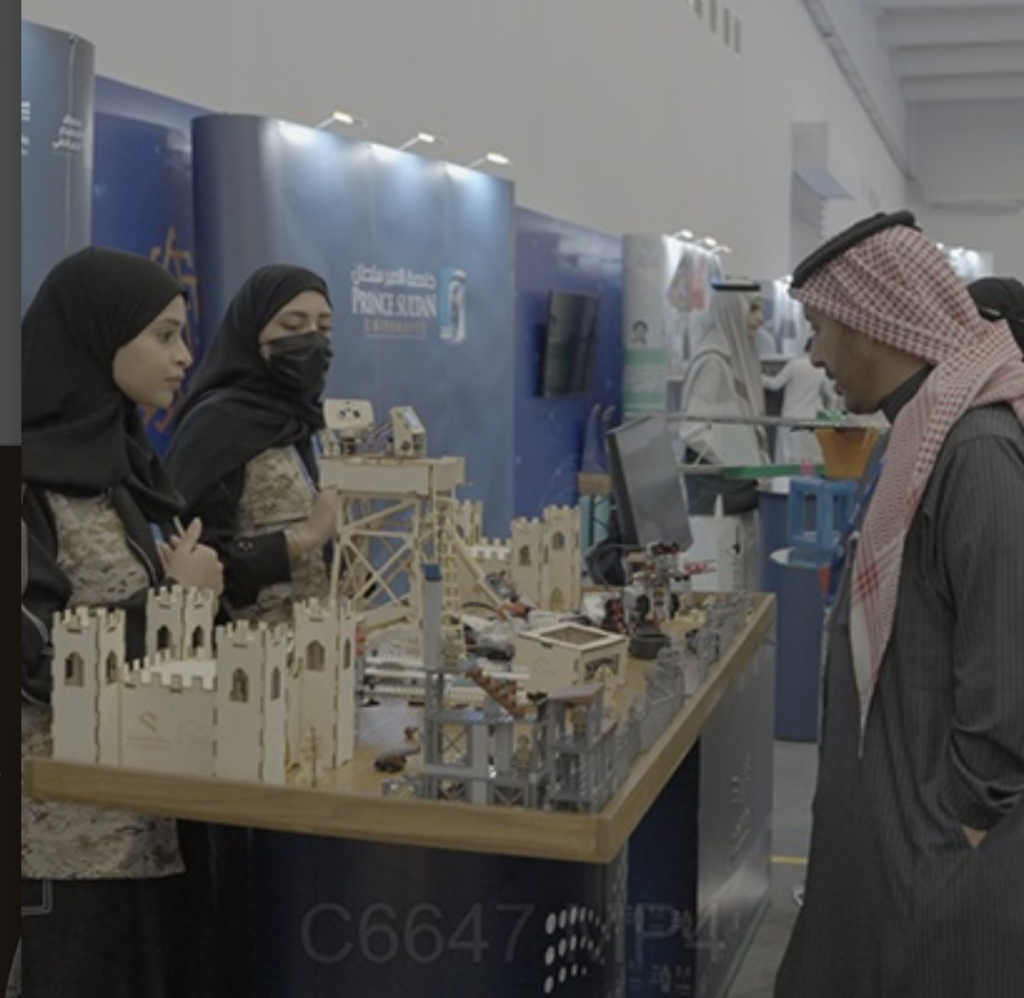
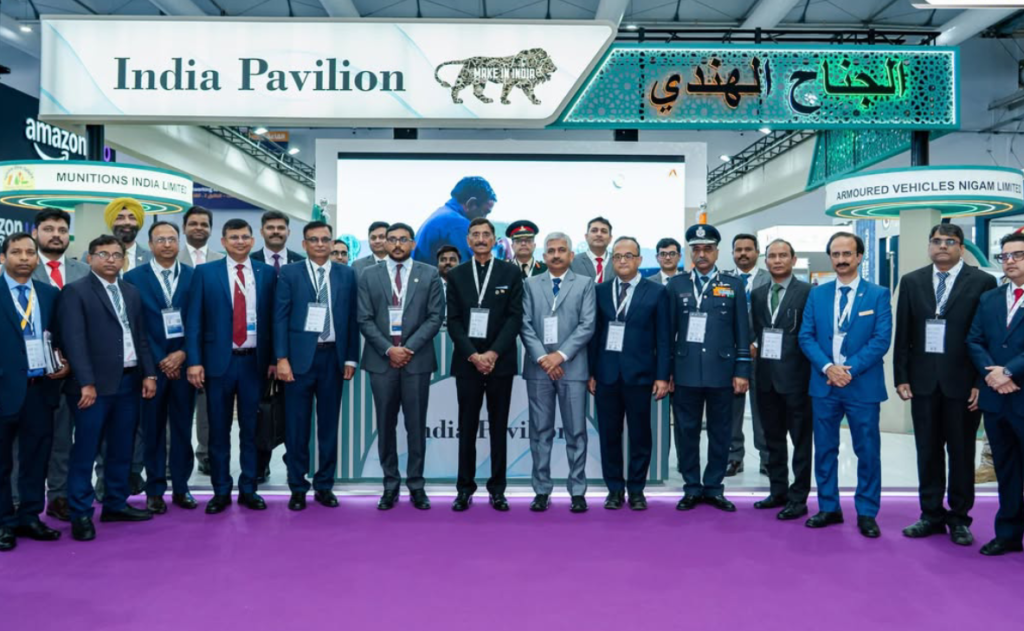
At the heart of the event, Raksha Rajya Mantri (Minister of State for Defence) Sanjay Seth inaugurated the first-ever dedicated India Pavilion. Spanning 400 square meters, the pavilion served as a unified window into India’s defense ecosystem. It featured nearly 25 defence enterprises, including a mix of Defence Public Sector Undertakings (DPSUs) like Bharat Electronics Limited (BEL) and Bharat Dynamics Limited (BDL), alongside aggressive private sector players.
The primary objective was clear: to position India as a reliable, high-tech, and cost-effective alternative to traditional Western and Russian suppliers. By engaging directly with Saudi Arabia’s General Authority for Military Industries (GAMI) and the General Authority for Defence Development (GADD), India signaled its firm intent to become a central pillar of the Middle East’s defense supply chain.
Major Attractions: The Crown Jewels of Indian Tech
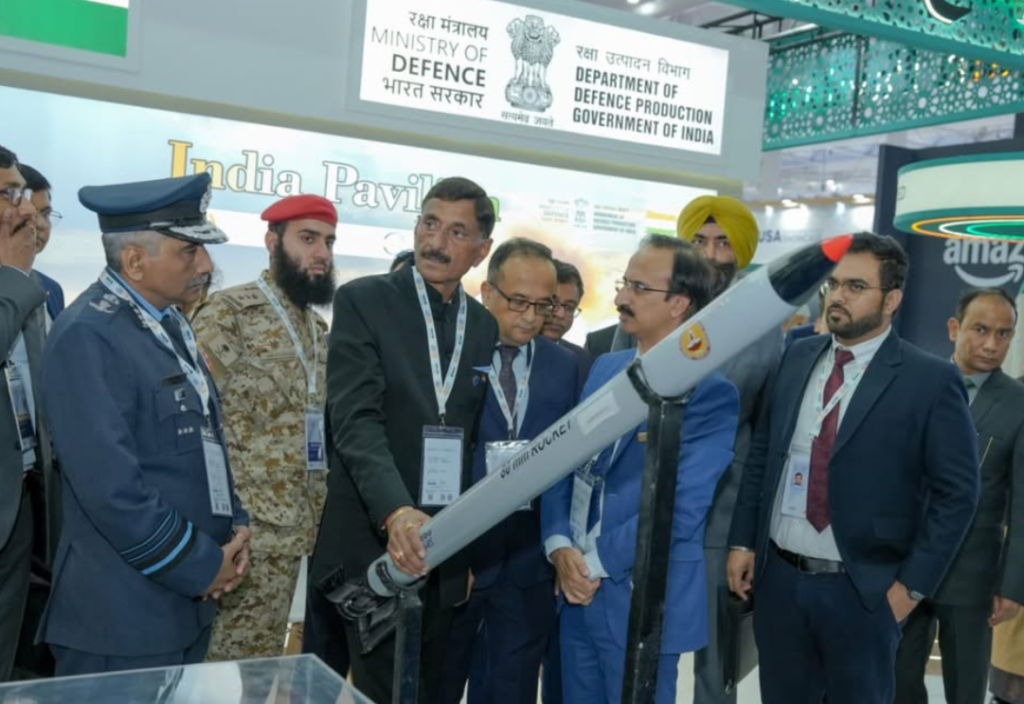
The Indian exhibit drew significant attention from over 400 official international delegations, particularly for its advancements in aerospace, radar systems, and missile technology. Key highlights included:
- Tanks and Artillery Systems: Showcasing heavy-duty ground firepower adapted for diverse and extreme terrains, crucial for Gulf nations.
- Missiles & Ammunition: Demonstrating robust area denial capabilities and precision strike power, representing India’s most sought-after export products.
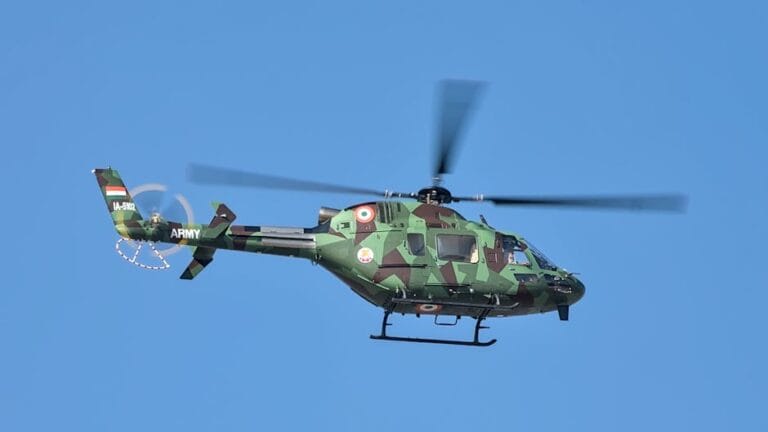
- Unmanned Systems & Radars: With the rise of drone warfare, Indian entities showcased advanced radar systems, counter-drone tech, and autonomous platforms that resonated perfectly with the WDS 2026 focus on “Future Defense Integration.”
MOUs and Strategic Synergy
While the 2026 show served as a networking hub, the strategic discussions moved well beyond mere brochures. MoS Sanjay Seth held high-level bilateral meetings with Dr. Khaled bin Hussein Al-Biyari (Saudi Assistant Minister of Defence) and other top leadership.
- Supply Chain Integration: Discussions heavily focused on strengthening the supply chain ecosystem between India and Saudi Arabia.
- Joint Delegations: A proposal was officially tabled for a joint GAMI-led delegation to visit Indian manufacturing and R&D facilities to verify “first-hand” the massive scale of Indian production.
- Co-Development Opportunities: In alignment with Saudi Vision 2030, Indian firms explored framework agreements for co-development, ensuring that cutting-edge technology is jointly nurtured, not just sold.
The Economics of Defence: Budget and Export Projections
India’s financial commitment to defense is record-breaking, and it provides the backbone for the massive export push witnessed in Riyadh.
- Current Budget: For the 2025-26 cycle, India’s defense budget stands at approximately ₹6.21 lakh crore ($75-80 billion), giving a strategic boost to the manufacturing ecosystem with a massive portion dedicated to capital procurement and R&D.
- Export Surge: Defense exports have shattered previous records, crossing ₹21,083 crore ($2.63 billion) in recent fiscal tracking.
- 5-Year Projection: The Ministry of Defence (MoD) has set an ambitious target of ₹50,000 crore ($6 billion) in annual exports by 2029-2030. With the opening of overseas defense attachés in global hubs and simplified export clearances, this target appears increasingly realistic.
India as an Emerging Defence Power
India is no longer just a buyer; it is a “Security Provider” in the Indian Ocean Region and beyond. The shift from “Buying” to “Building” has been fueled by innovation ecosystems and the corporatization of Ordnance Factories. This Aatmanirbharta (Self-Reliance) movement has severely reduced dependency on foreign OEMs, allowing India to maintain an independent foreign policy while becoming a net exporter of security.
Regional Dynamics: Is Pakistan Present?
Yes, Pakistan also showcases its capabilities at events like WDS to highlight its own aerospace and defense technology. Riyadh continues to be a highly competitive ground where regional powers vie for the lucrative Middle Eastern market. However, India’s rapidly expanding industrial base, its vast 400-square-meter pavilion, and the sheer scale of the “Make in India” initiative give it a distinct, unbeatable edge in high-tech electronics, aerospace, and joint-venture reliability.
Global Firepower: Where Does the Indian Army Stand?
According to the Global Firepower Index, the Indian Armed Forces consistently maintain their position as the 4th most powerful military in the world, trailing only the United States, Russia, and China. India’s ranking is bolstered by its massive manpower, modernized tank divisions, a growing carrier-based navy, and its robust indigenous defense-industrial base.
Final Verdict: The WDS Riyadh 2026 showcase is a testament to India’s arrival on the global stage as a premier defense exporter. By combining diplomatic outreach with cutting-edge indigenous tech, India is proving that it can not only defend its own borders but also equip the world. For readers of The Eastern Strategist, the message is undeniable: the era of Indian defense dependency is officially over; the era of Indian defense leadership has begun.