India–Brazil Strategic Axis 2026: The Global South’s Most Powerful New Alliance
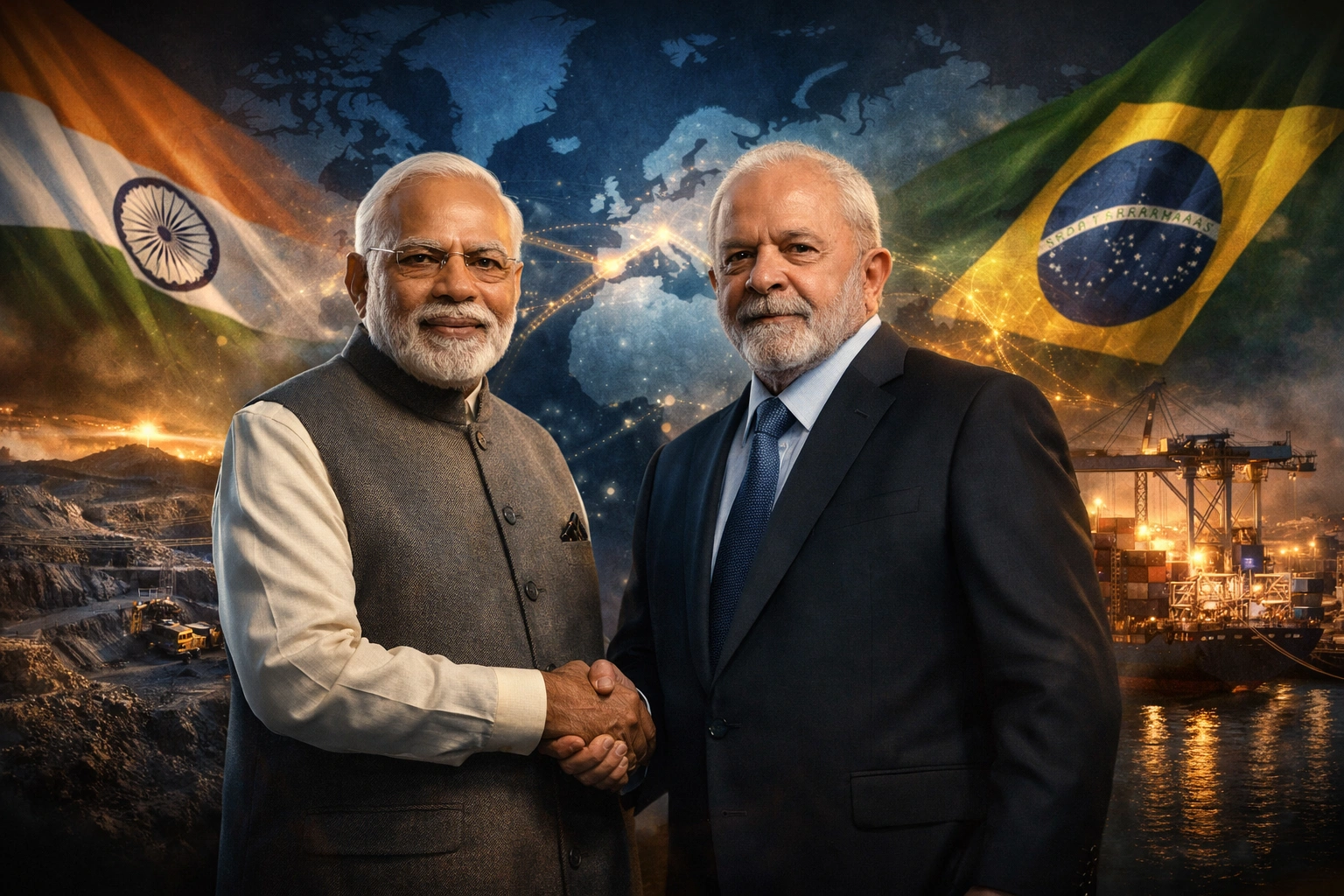
India–Brazil strategic axis is rapidly emerging as one of the most decisive geopolitical and economic realignments of 2026, signaling a powerful shift in how emerging economies secure supply chains, defend trade interests, and shape the future global order. What was once a symbolic South-South partnership has now evolved into a hard-edged strategic alliance driven by urgency, opportunity, and a shared determination to reduce vulnerability to external economic shocks.
This transformation reflects a deeper structural change. India and Brazil are no longer content with reactive diplomacy. Instead, they are building a proactive, resilient framework designed to secure economic sovereignty, accelerate industrial growth, and challenge the fragile dominance of traditional supply chains controlled by a handful of powerful nations.
India–Brazil Strategic Axis and Critical Minerals Supply Chain Power Shift
The most explosive pillar of the India–Brazil strategic axis is the critical minerals agreement—a move with profound implications for global supply chains. Critical minerals such as lithium, cobalt, and rare earth elements are now the backbone of electric vehicles, renewable energy systems, and advanced defense technologies.
For years, China’s overwhelming dominance in processing and refining these resources created a dangerous dependency for emerging industrial powers. India, with its aggressive clean energy targets and manufacturing ambitions, faced a strategic bottleneck. Brazil, however, offers a decisive breakthrough.
Brazil possesses vast reserves of lithium and rare earth minerals, positioning it as one of the most valuable partners in the global energy transition. By collaborating on extraction, refining, and processing, India and Brazil are creating a secure supply chain that bypasses geopolitical risk.
This partnership represents more than trade—it represents strategic insulation. According to the International Energy Agency’s critical minerals report, demand for lithium alone is expected to increase more than 40 times by 2040. Securing reliable access is no longer optional; it is essential for national security and economic survival.
The implications are enormous. India gains resource security. Brazil gains investment, technology, and expanded global influence. Both nations gain strategic independence.
Why the India–Brazil Strategic Axis Is Reshaping Global Trade and Strategic Autonomy
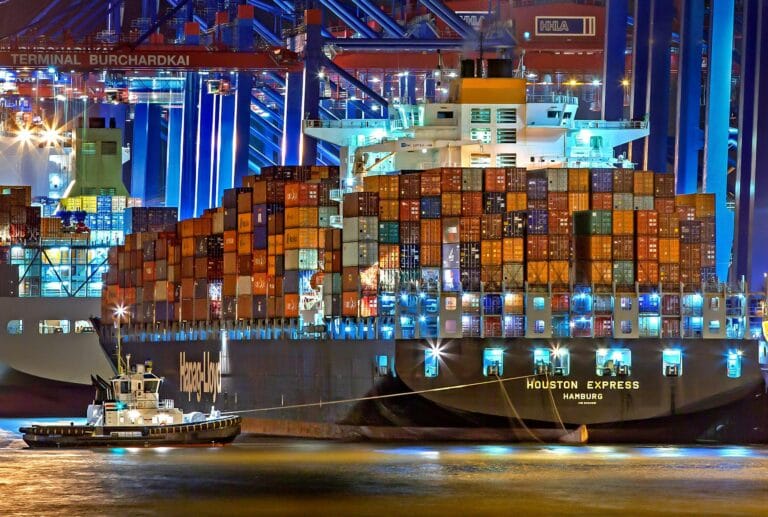
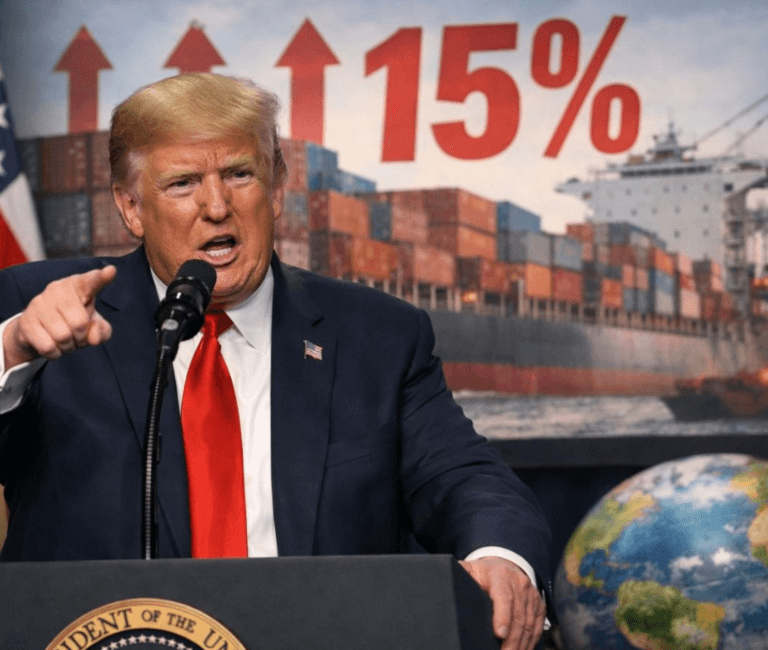
The India–Brazil strategic axis is also emerging as a powerful defensive mechanism against rising global protectionism. Trade uncertainty, tariff wars, and shifting legal frameworks have created an unpredictable environment where even long-standing partnerships face sudden disruption.
India’s evolving trade landscape, including its tariff recalibration strategy, reflects this new reality. The implications of these tariff shifts are explored in detail here: 🔗 India-US Trade Deal 2026: What the 18% Tariff Reset Means for the Economy
By setting a bold $30 billion bilateral trade target, India and Brazil are building a powerful buffer against external volatility. This proactive diversification reduces exposure to sudden policy shifts in Western economies while strengthening domestic manufacturing and export resilience.
This is not defensive isolation—it is strategic expansion.
Pharmaceutical Alignment: The Silent Power Engine
One of the most impactful yet underappreciated dimensions of the India–Brazil strategic axis lies in pharmaceutical cooperation. India’s globally dominant generic drug industry, combined with Brazil’s robust healthcare infrastructure, creates a uniquely powerful healthcare alliance.
Regulatory harmonization eliminates bureaucratic friction, accelerates drug approvals, and reduces costs. This ensures faster delivery of life-saving medicines while protecting both nations from external supply disruptions.
The COVID-19 pandemic exposed dangerous weaknesses in global medical supply chains. This partnership directly addresses those vulnerabilities, strengthening long-term health security.
The economic implications are equally significant. Pharmaceutical exports represent one of India’s most valuable strategic industries. Expanded access to Brazil and Latin America opens massive new growth channels while reducing regulatory risk.
Democratic Alignment and Strategic Autonomy
The India–Brazil strategic axis is not merely transactional—it is deeply strategic. Both nations share democratic governance, large consumer markets, and independent foreign policies focused on long-term national interest.
Unlike rigid alliances dominated by security obligations, this partnership is driven by economic pragmatism and mutual benefit. This flexibility makes it more resilient and adaptable to changing geopolitical conditions.
Both India and Brazil are asserting their autonomy in a rapidly fragmenting world. Rather than choosing sides in great power competition, they are building their own center of gravity.
This approach strengthens negotiating power across global institutions, including the G20 and BRICS+, enabling both nations to influence decisions on trade, climate finance, and global governance reform.
Economic Synergy and Explosive Growth Potential
The structural complementarity between India and Brazil is remarkably strong. India brings technological innovation, digital infrastructure, pharmaceutical manufacturing, and a rapidly expanding industrial base. Brazil contributes agricultural dominance, mineral wealth, and access to Latin American markets.
This synergy unlocks explosive opportunities across multiple sectors:
- Critical mineral extraction and processing
- Pharmaceutical exports and healthcare integration
- Digital payments and financial technology expansion
- Renewable energy and green hydrogen collaboration
- Agricultural trade and food security partnerships
These collaborations will accelerate industrial expansion while reducing external dependency.
Risks, Barriers, and Strategic Reality
Despite powerful momentum, challenges remain. Geographic distance increases logistical costs. Regulatory complexity creates friction. Infrastructure gaps slow execution.
However, these barriers are increasingly overshadowed by strategic necessity.
The cost of inaction—continued dependence on unstable supply chains—is far greater than the cost of integration.
This reality is driving rapid policy alignment and accelerating cooperation.
Conclusion: A Structural Shift in Global Power
The India–Brazil strategic axis represents a structural turning point in global geopolitics. This partnership strengthens supply chain resilience, expands trade independence, and enhances strategic autonomy.
For decades, emerging economies adapted to a system designed by others. Today, India and Brazil are actively reshaping that system.
This alliance reflects a powerful new reality: the future of global economic leadership will not be dictated solely by traditional powers, but by emerging strategic partnerships built on resilience, sovereignty, and shared ambition.
The rise of this axis is not temporary. It is transformational.