India’s Middle East Bombshell Signals Major Shift in Global Power Balance
historic geopolitical shift is underway as India’s Middle East bombshell sends shockwaves across global capitals and reshapes the balance of power.
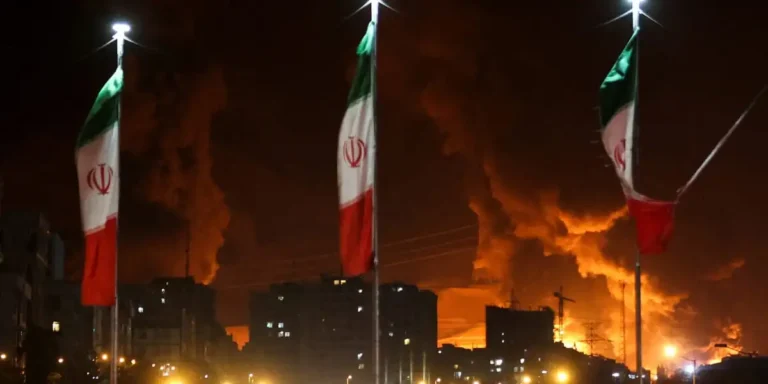
India’s aggressive move in the Middle East conflict marks one of the most decisive geopolitical shifts of the 21st century. For decades, New Delhi maintained a carefully calibrated balance between Israel, Iran, and the Arab world. But recent developments signal that India is no longer content to remain a passive observer in a region that directly impacts its energy security, strategic trade routes, and global power ambitions.
This shift is not sudden. It is the culmination of decades of quiet cooperation, wartime support, and technological partnership — particularly between India and Israel. What was once a discreet strategic relationship has now evolved into a visible geopolitical alignment with global implications.
The Kargil Turning Point: When Israel Backed India in War
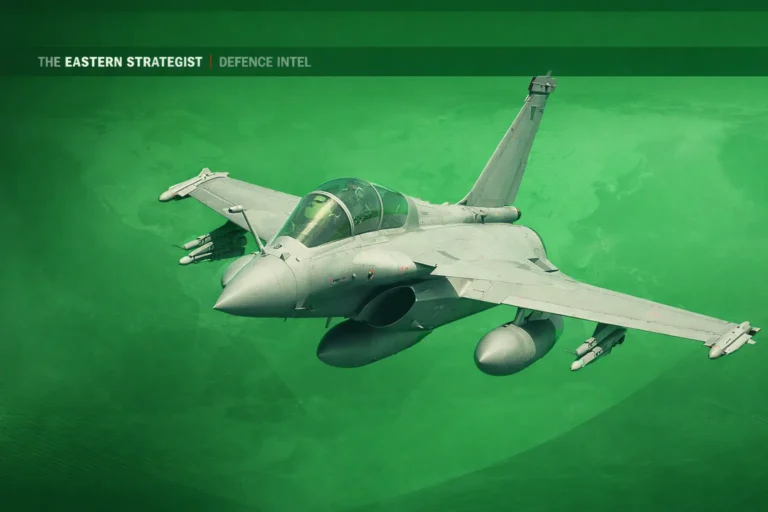
The roots of the India–Israel strategic partnership trace back to the Kargil War of 1999. As Indian forces struggled to dislodge entrenched Pakistani positions in the Himalayas, Israel stepped in with critical military technology. Israeli-supplied laser-guided targeting pods allowed Indian Air Force Mirage 2000 jets to precisely strike fortified enemy bunkers at extreme altitudes.
This intervention proved decisive. It gave India the technological edge needed to turn the tide of the conflict. More importantly, it established Israel as one of India’s most reliable strategic partners in times of crisis.
Since then, defense cooperation has expanded dramatically, covering drones, missile systems, surveillance technology, and electronic warfare platforms.
A Strategic Partnership Built on Technology and Trust
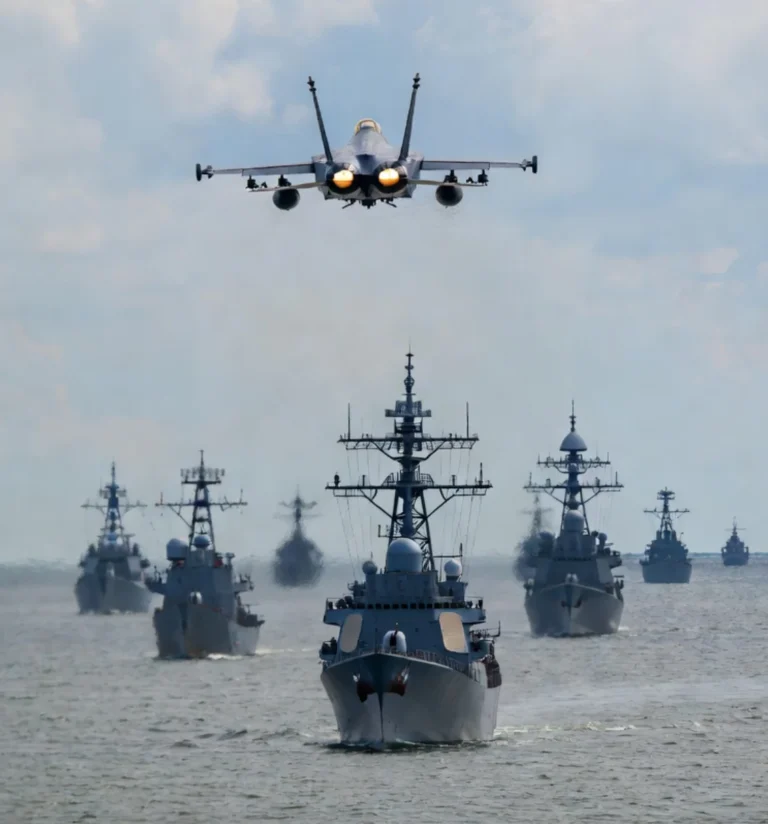
India is now one of Israel’s largest defense customers. From advanced radar systems to unmanned aerial vehicles, Israeli technology plays a critical role in strengthening India’s military capabilities.
This partnership is no longer limited to buying weapons. It now includes joint development, co-production, and technological collaboration. Programs such as integrated air defense systems, AI-enabled battlefield awareness, and cyber defense initiatives demonstrate the depth of this alliance.
These developments are part of India’s broader strategy to modernize its armed forces and reduce dependence on traditional suppliers.
India’s Middle East bombshell redefining power across the Middle East and beyond
The Middle East is vital to India’s national interests for several reasons:
- Over 60% of India’s energy imports come from the region
- Millions of Indian citizens live and work in Gulf countries
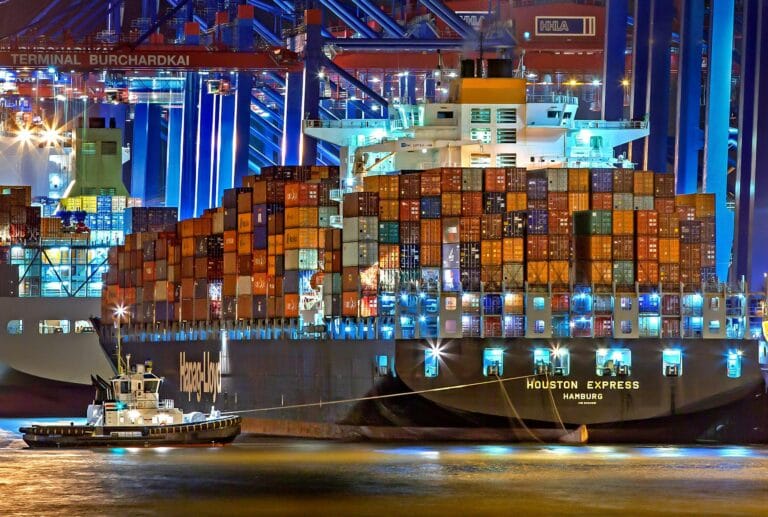
- Critical trade routes pass through the Arabian Sea and Red Sea
- Regional instability directly affects India’s economic security
India’s growing engagement reflects its recognition that neutrality alone cannot safeguard these interests. Strategic engagement is now essential.
The IMEC Corridor: A Direct Challenge to China’s Influence
The India–Middle East–Europe Economic Corridor (IMEC) represents one of the most ambitious infrastructure projects of modern times. It aims to connect India to Europe through the Middle East, creating faster and more secure trade routes.
This corridor is widely seen as a counterbalance to China’s Belt and Road Initiative, which has expanded Beijing’s influence across Asia, Africa, and Europe.
By partnering with Middle Eastern nations and Israel, India is positioning itself as a central player in shaping the future of global trade.
India’s End of Strategic Silence
India’s recent diplomatic posture signals a clear shift. Rather than maintaining strict neutrality, New Delhi is increasingly willing to take positions aligned with its national interests and security priorities.
This does not mean abandoning strategic independence. Instead, it reflects India’s evolution into a confident global power capable of shaping events rather than merely reacting to them.
This transformation aligns with India’s broader rise as a major geopolitical force in the Global South.
Watch: Strategic Analysis of India–Israel Partnership
Watch detailed analysis on YouTube
The Road Ahead: India’s Emerging Global Role
India’s evolving Middle East policy reflects its transition from a regional power to a global strategic actor. With one of the world’s fastest-growing economies, a rapidly modernizing military, and expanding diplomatic influence, India is increasingly shaping global geopolitical dynamics.
The India–Israel partnership represents just one component of this broader transformation. India is simultaneously strengthening ties with the United States, Europe, and key Middle Eastern powers while maintaining strategic autonomy.
This balanced but assertive approach allows India to protect its interests while expanding its influence.
Conclusion: A Defining Moment in India’s Strategic Evolution
India’s aggressive move in the Middle East conflict marks a turning point in its foreign policy. No longer confined to cautious neutrality, India is stepping forward as an active participant in shaping the future of global geopolitics.
This shift reflects not only changing regional dynamics but also India’s growing confidence in its own power. As the international system enters a new era of competition and realignment, India’s decisions will play a decisive role in determining the balance of power.
The era of silent observation is ending. India has entered the arena.
Related Analysis:
How India Is Challenging China’s Dominance in the Indian Ocean