Middle East War
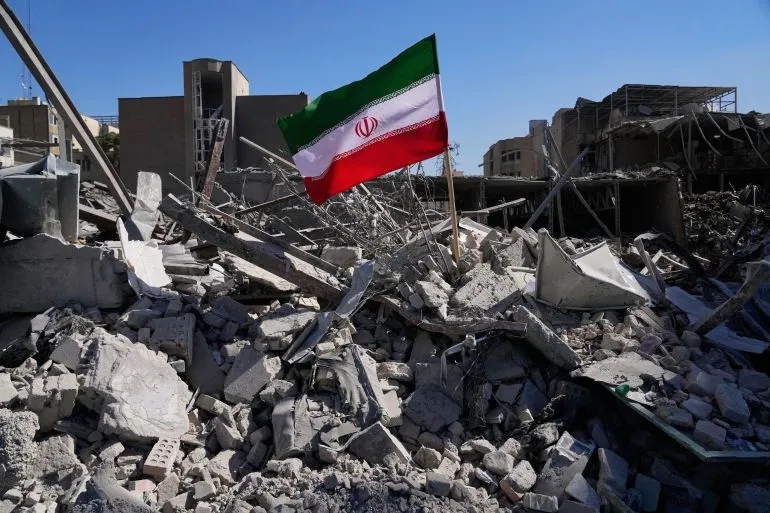
Iran war escalation widened sharply after U.S. strikes on Kharg Island and fresh threats around the Strait of Hormuz jolted oil markets, raised regional security fears, and forced policymakers to confront the risk of a broader Gulf conflict.
2 India-flagged LPG carriers allowed through ·
90% of Iran’s oil exports handled by Kharg
Iran war fears are now being priced into every major energy and shipping calculation. The latest U.S. strikes on military targets on Kharg Island, combined with Iranian pressure on traffic through the Strait of Hormuz, have turned a regional confrontation into a global market alarm.
Iran war: What happened at Kharg Island
U.S. President Donald Trump said American forces struck military targets on Iran’s Kharg Island, the strategic hub that handles most of Iran’s crude exports. Washington signaled that the latest operation stopped short of directly hitting oil-loading infrastructure, but Trump also warned that Iran’s petroleum network could become the next target if disruption in the Strait of Hormuz continues.
That distinction matters. A strike on military facilities is a major escalation; a direct attack on oil export infrastructure would be an even more explosive step, one that could unleash a severe supply shock across global energy markets.
Iran war: Key data driving oil panic
The core market fear is simple: the Strait of Hormuz is not just another shipping lane. It normally carries roughly one-fifth of the world’s oil and liquefied natural gas flows, making it the most sensitive energy chokepoint on the planet. Kharg Island, meanwhile, handles around 90% of Iran’s oil exports, which is why even limited military action there instantly rattles traders, insurers, and refiners.
The result is a classic crisis reaction. Shipping risk premiums rise, freight costs jump, and oil buyers begin scrambling for alternative supply. That is the positive side of market adaptation. The negative side is more brutal: every new strike, warning, or blockade threat increases the odds of a panic move in crude prices and a wider inflation shock.
The Iran war is now being watched less as a battlefield event and more as an energy-system stress test. If Hormuz remains partially disrupted, the impact will spread from Gulf shipping to refining margins, household inflation, aviation fuel, and broader risk sentiment.
Iran war: Why it matters for markets and shipping
The immediate negative sentiment comes from uncertainty. Energy markets can cope with high prices better than they can cope with unclear supply. That is why the latest U.S. action and Iranian counter-pressure matter so much: they deepen the sense that the Gulf is moving from volatility into structural instability.
At the same time, there is a narrow positive sentiment for some producers and traders. Supply disruptions in one region can create windfalls elsewhere, especially for exporters able to fill the gap. That is one reason this crisis is being closely watched not only in Washington and Tehran, but also in Moscow, New Delhi, Beijing, and major European capitals.
“The real battlefield of the Iran war may be energy security as much as military escalation.”
Iran war: Why India remains a critical exception
One of the most important developments in the Iran war has been Tehran’s decision to allow two India-flagged LPG carriers to pass through Hormuz. That selective exception suggests Iran is trying to retain leverage without completely alienating major buyers that matter to its broader regional calculations.
For India, the passage matters both economically and strategically. It offers a limited relief valve in a stressed gas market while showing that diplomatic channels can still produce tactical outcomes even during wartime escalation.
Iran war: What to watch next
The next decisive question is whether Washington keeps targeting only military assets or moves toward Iran’s oil infrastructure itself. If that threshold is crossed, the Iran war could shift from a regional military crisis into a full-scale global energy emergency.
Investors, policymakers, and shippers will also watch whether Hormuz remains selectively open or becomes more tightly restricted. That decision may shape the next move in crude, insurance rates, and broader market confidence far more than rhetoric alone.
Internal: Strait of Hormuz analysis ·
How the Iran war is helping Russia ·
Indian Ocean geopolitics
External: Reuters on Kharg Island and Hormuz ·
Reuters on India-flagged LPG carriers ·
AP on U.S. strikes and escalation