After 375 Years, A British Royal is Arrested: Why Prince Andrew Just Made Dark History
LONDON — The Prince Andrew arrest 2026 marks a devastating and unprecedented turning point in the history of the British monarchy. On Thursday, February 19, 2026, Andrew Mountbatten-Windsor was formally taken into custody by Thames Valley Police at his Wood Farm residence on the Sandringham Estate. This detainment over alleged misconduct in public office shatters centuries of assumed royal immunity. For the global intelligence and diplomatic communities, this is not merely a tabloid scandal, but a severe institutional crisis with far-reaching consequences for the United Kingdom’s state security.
The Historical Context: Breaking a 375-Year Streak
To understand the magnitude of the Prince Andrew arrest 2026, one must look back nearly four centuries. You have to rewind to the English Civil War in 1647 to find the last time a senior British royal was taken into state custody. King Charles I was detained by parliamentary forces, ultimately leading to his trial and execution for high treason in 1649.
Before Charles I, royal arrests were strictly matters of dynastic warfare and bloody betrayals. In 1477, George Plantagenet, the Duke of Clarence, was arrested for treason on the orders of his own brother, King Edward IV. He was locked in the Tower of London and, according to historical tradition, privately executed.
However, those historical detentions were acts of war and absolute monarchical power. The detainment of Andrew Mountbatten-Windsor is entirely different. This is the very first time in British history that a senior royal has been subjected to standard, modern police procedures—complete with an 11-hour interrogation, unmarked police vehicles, and the threat of a civilian criminal trial.
The Core Legal Allegations
The legal framework triggering the Prince Andrew arrest 2026 is anchored in a highly serious criminal charge: misconduct in public office. This is a common law offence in England and Wales specifically designed to prosecute state officials who abuse their authority. Unlike civil lawsuits, this criminal charge carries a maximum sentence of life imprisonment.
The police investigation is zeroing in on Mountbatten-Windsor’s decade-long tenure as the UK’s Special Representative for International Trade and Investment. Between 2001 and 2011, he traveled the globe representing British commercial interests. Investigators are now probing whether he utilized this high-level government clearance to unlawfully leak sensitive diplomatic data to the late financier and convicted sex offender, Jeffrey Epstein.
The catalyst for the police raid was the unsealing of millions of documents by the U.S. Department of Justice earlier this year. These files reportedly contain email chains suggesting the former prince shared confidential British diplomatic briefings with Epstein. If these intelligence leaks are proven true, the former royal’s actions constitute a monumental breach of the Official Secrets Act.
The Viral Range Rover Photo
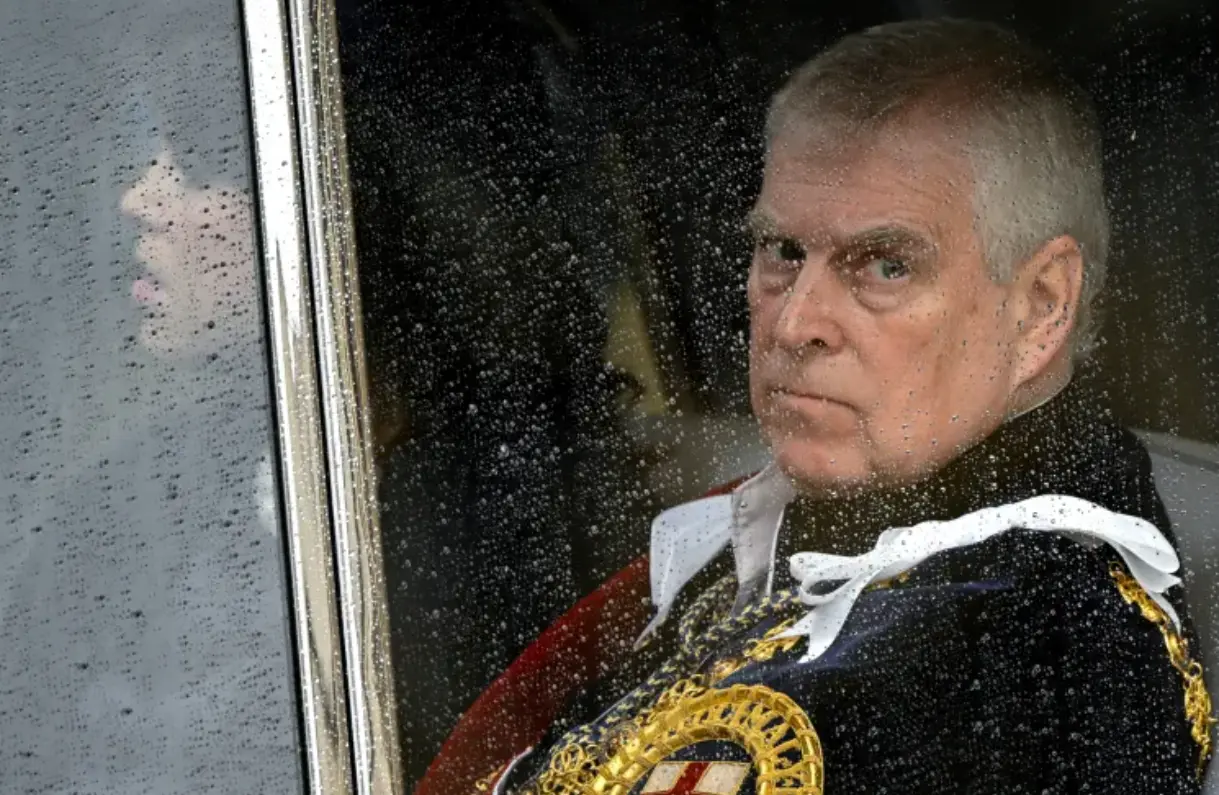
The visual optics of the Prince Andrew arrest 2026 have inflicted incalculable damage on the royal brand. Following his questioning at Aylsham Police Station in Norfolk, authorities confirmed that the suspect was “released under investigation” (RUI). This legal status means the police have not cleared him, and the threat of formal criminal charges remains highly active.
Shortly after his release, a photograph of Mountbatten-Windsor leaving the station in the back of a black Range Rover went viral globally. The image of a visibly shaken former prince, riding in a vehicle traditionally associated with royal prestige, has become a digital symbol of a fallen dynasty. For a modern monarchy that relies on the projection of “Soft Power,” this viral transparency is a catastrophic defeat.
Digital sentiment analysis indicates that the British public largely views the arrest with relief rather than sympathy. The viral photo underscores a new reality: the traditional “mystique” of the Crown cannot survive the relentless, high-definition scrutiny of the internet age.
King Charles III and the “Firewall” Strategy
In the immediate aftermath of the Prince Andrew arrest 2026, Buckingham Palace was forced into a desperate defensive posture. King Charles III, who stripped his brother of his royal titles and military patronages in late 2025, has established a strict “firewall” around the working monarchy. The Palace issued a cold, brief statement noting simply that “the law must take its course.”
This detachment is a necessary survival strategy for the King. In the United Kingdom, criminal cases are prosecuted in the name of the Crown. This places Charles in the agonizing position of presiding over a legal system that is currently investigating his own brother for state-level crimes.
By refusing to intervene, the King aims to protect the reputations of Prince William and Catherine, Princess of Wales. However, anti-monarchy campaign groups are already leveraging the crisis. They argue that the sheer fact a royal could allegedly operate a shadow diplomacy network for a decade proves the institution is fundamentally flawed.
Global Diplomatic Repercussions
For foreign policy analysts and market strategists, the Prince Andrew arrest 2026 raises immediate red flags regarding British diplomacy. The United Kingdom leans heavily on the Royal Family to secure international trade agreements. If a former trade envoy is found guilty of compromising state secrets, foreign governments will severely question the UK’s internal security vetting.
Trading partners in the United States, the European Union, and the Indo-Pacific may demand stricter security protocols before engaging with British diplomats. The scandal casts a long shadow over the integrity of the UK’s current international investment pitches. It completely undermines the narrative of a stable, secure “Global Britain.”
The Prince Andrew arrest 2026 has fundamentally altered the relationship between the British sovereign and the rule of law. Whatever the final legal outcome of the police investigation, the historic 375-year streak of royal immunity has been permanently broken.
The arrest at his newly assigned Wood Farm residence in Sandringham comes just days after King Charles forced his brother’s midnight eviction from the Royal Lodge, proving the Palace’s ‘zero-tolerance’ firewall is already in full effect.