The 18% Pivot: Why India’s Textile Heartland Is the Real Winner of the US–India Trade Deal
The US–India trade deal textile industry outlook for 2026 shows how India’s manufacturing clusters are gaining momentum after the tariff reset to 18 per cent.
As 2026 unfolds, the global textile industry is entering a decisive realignment phase. For nearly a decade, Indian apparel exporters struggled under steep trade barriers in the United States. That equation has now changed.
A newly concluded interim trade arrangement between India and the United States has reduced reciprocal tariffs from nearly 50 per cent to 18 per cent—a structural reset that significantly alters India’s export competitiveness.

In this analysis, we examine how the US–India trade reset is reshaping India’s textile industry, covering state-level manufacturing clusters, policy support under Union Budget 2026–27, emerging silk and sustainable segments, and the companies best positioned to benefit from the new export cycle.
This 18 per cent tariff benchmark, combined with the reform-oriented Union Budget 2026–27, places India’s labour-intensive textile and apparel sector in a stronger position than regional competitors such as Vietnam and Bangladesh
As global brands diversify away from concentrated supply chains, India’s mature industrial clusters are emerging as the primary beneficiaries of this recalibration.
Regional Powerhouses: The States Leading the Export Push
Tamil Nadu – The Undisputed Apparel Engine
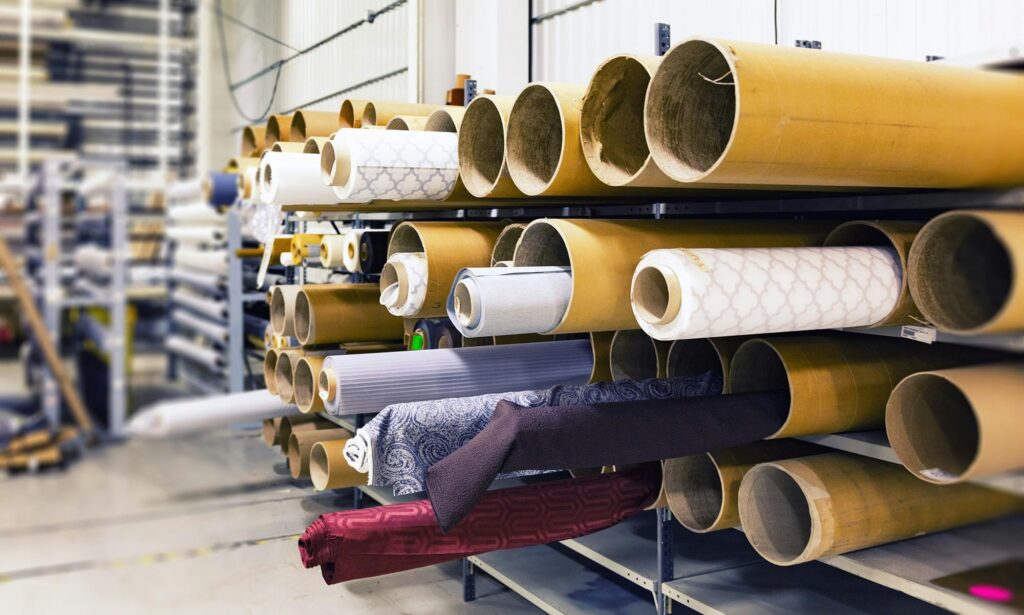
Tamil Nadu continues to anchor India’s apparel export ecosystem.
In FY25, the state accounted for USD 7.99 billion, or 26.71 per cent, of India’s total textile exports.
Its strength lies in its vertically integrated manufacturing base centred around Tirupur and Chennai—covering spinning, knitting, processing, garmenting and logistics.
With the United States absorbing close to 30 per cent of India’s total apparel shipments, manufacturers in Tamil Nadu are already witnessing a fresh wave of order enquiries from major American fashion and lifestyle brands. The reduced tariff threshold materially improves landed-cost competitiveness for knitwear, activewear and value-fashion segments.
Gujarat and Maharashtra – The Fibre and Fabric Backbone
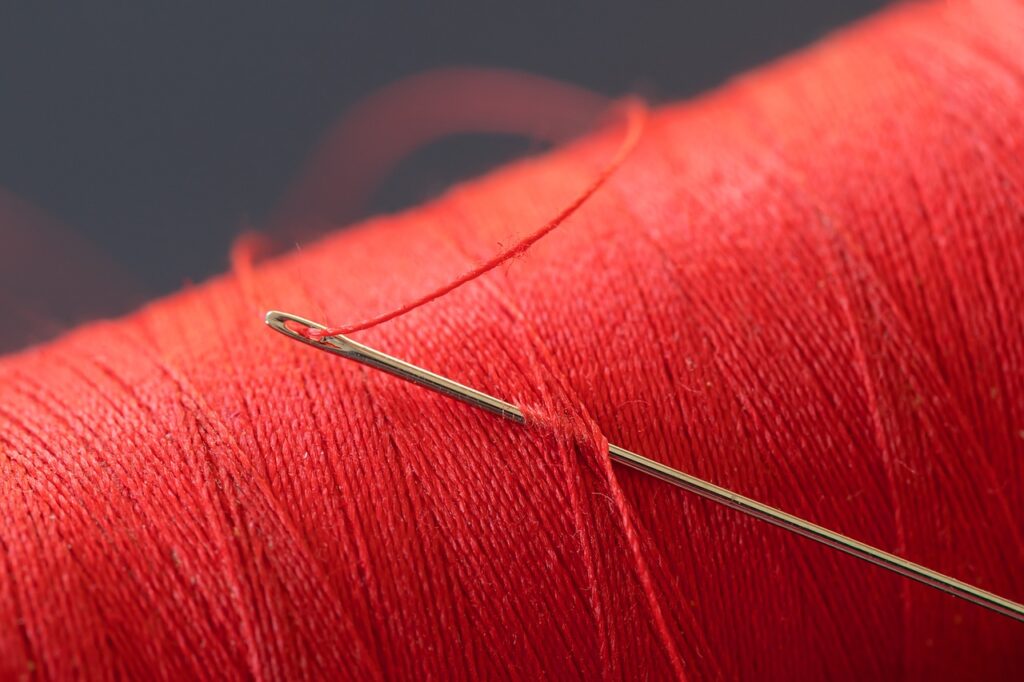
Gujarat remains India’s second-largest textile exporting state, driven by its dominance in cotton processing, man-made fibres and large-scale weaving capacity.
Beyond textiles, the state’s gem and diamond clusters—now enjoying zero-tariff access to the US—share logistics infrastructure, skilled labour pools and port connectivity with the textile value chain, creating strong spill-over efficiencies.
The strategic shift is clearly toward higher-value clothing lines and export-oriented technical and performance fabrics—segments where margin resilience is structurally stronger.
Jharkhand – India’s Emerging Silk Export Frontier
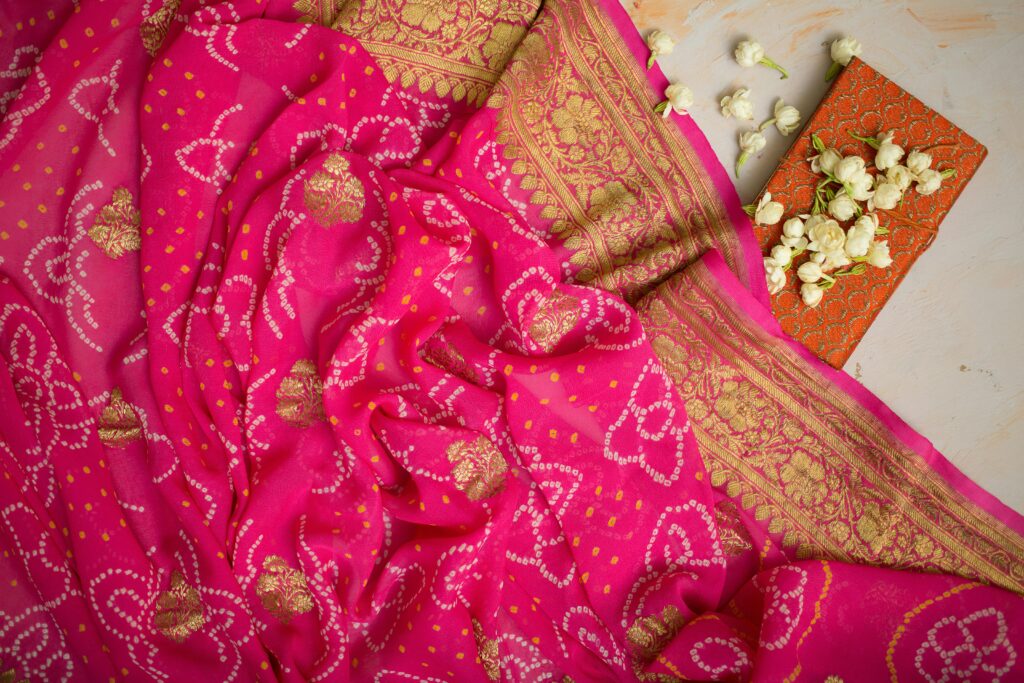
One of the most unexpected beneficiaries of the new trade environment is Jharkhand
Once heavily dependent on mining, the state has repositioned itself as the Tasar (Tussar) silk capital of India, producing over 3,200 metric tonnes of high-value silk. Tasar silk is increasingly being positioned in the US and European markets as a sustainable luxury fibre.
Through Jharcraft, more than 30,000 weavers—predominantly women— are being trained to meet export quality and compliance standards.
The entry of national players such as Arvind Smart Textiles, which has set up manufacturing operations in Ranchi, signals Jharkhand’s readiness for industrial-scale execution.
Budget 2026–27: The Supply-Side Accelerator
While the trade reset improves external demand, the Union Budget 2026–27 provides the domestic supply-side thrust.
Key interventions include:
- PM MITRA Parks across states such as Telangana, Madhya Pradesh and Uttar Pradesh, collectively attracting over ₹50,000 crore in investment interest and sharply reducing logistics and processing bottlenecks.
- National Fibre Scheme, aimed at building domestic capacity in specialised and technical fibres to reduce import dependence and price vulnerability.
- TEEM (Textile Expansion and Employment Scheme), focused on modernising traditional clusters through machinery upgrades and productivity enhancement.
- Together, these initiatives directly address long-standing constraints around scale, infrastructure and technology adoption.
Corporate Beneficiaries: Export-Focused Stocks on the Radar
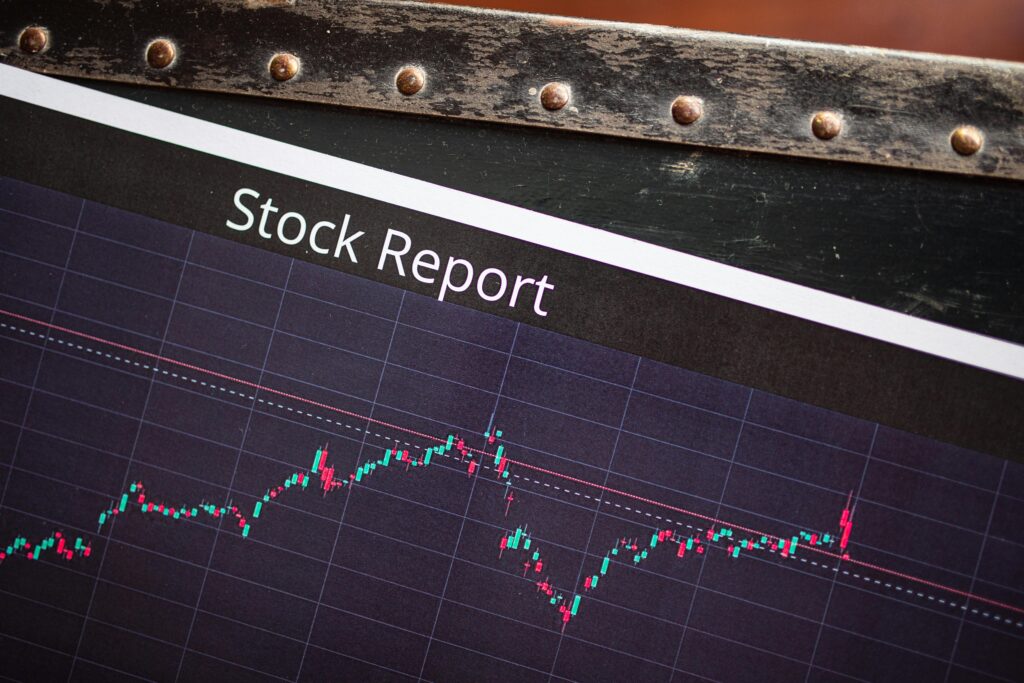
While this is not an investment recommendation, market participants are closely monitoring companies with strong US exposure:
- Gokaldas Exports – nearly 70 per cent of revenue from the US market.
- Indo Count Industries – a major home-textile exporter with roughly 70 per cent US revenue exposure.
- Welspun Living – the largest supplier of home textiles to the US, with about 61 per cent of export revenue originating from America.
- KPR Mill – a fully integrated “farm-to-fashion” operator offering faster execution and tighter supply control.
A Labour-Intensive Leap Towards the $50 Billion Target
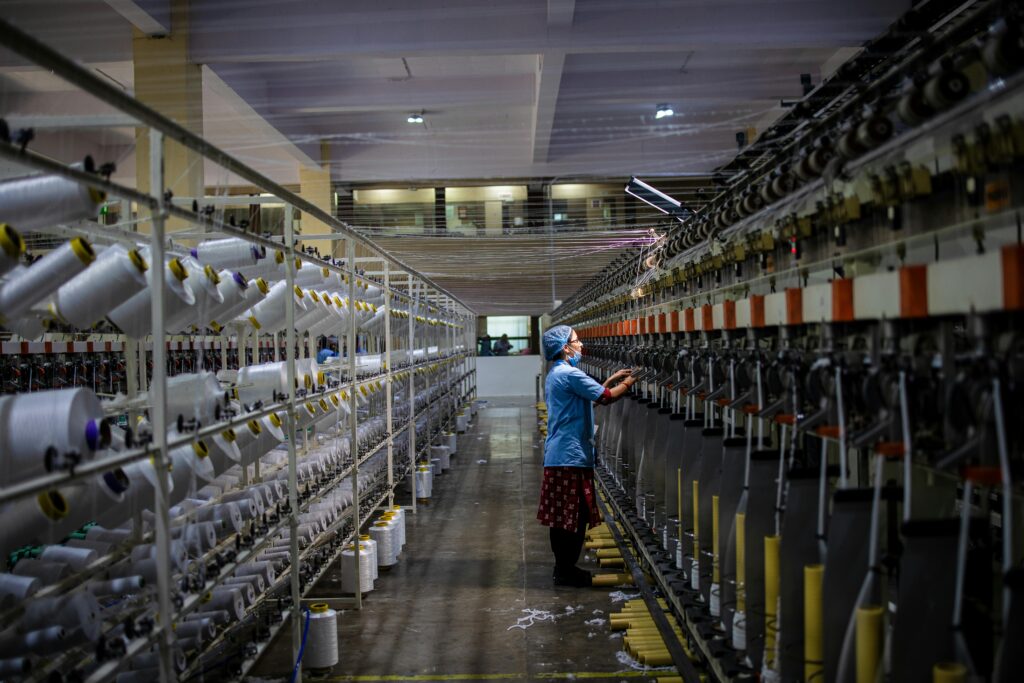
The textile and apparel sector contributes 2.3 per cent to India’s GDP and nearly 12 per cent of total merchandise exports. In FY25, exports stood at USD 36.60 billion.
Under the new trade framework, the long-stated USD 50 billion export target by 2027 now appears structurally achievable.
What makes this expansion especially critical is employment.Every ₹1 crore invested in apparel manufacturing generates nearly 70 jobs, compared with around 12 jobs in capital-intensive sectors such as automobiles.
For a country seeking rapid and inclusive formal-sector absorption, textiles remain one of the most powerful industrial multipliers.
The Road Ahead
The 18 per cent tariff pivot has given Indian manufacturers a rare strategic opening in the world’s most valuable consumer market.From the export-driven mega-mills of Tamil Nadu to the sustainable silk clusters of Jharkhand, India’s textile ecosystem is now better aligned with global expectations on scale, traceability and supply reliability.
Editor’s Pick
Watch the regional champions in Jharkhand and Tamil Nadu. These two states represent the earliest and most visible beneficiaries of a new global trade order that increasingly rewards diversified sourcing, sustainability and long-term industrial partnerships.