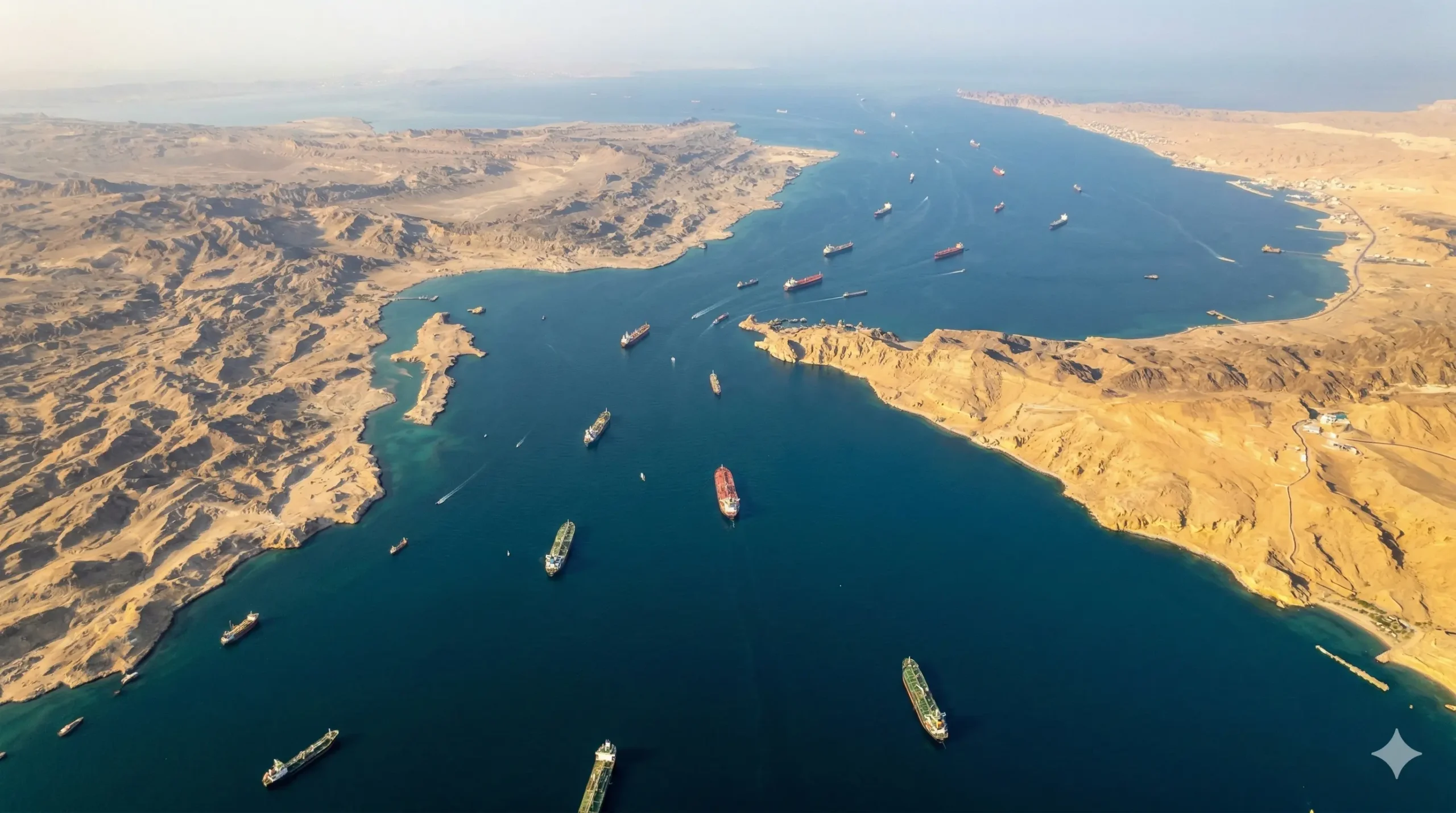
The Middle East stands at a historic inflection point. As U.S.–Israeli strikes on Iranian targets intensify and Tehran retaliates across the Gulf, the regional balance of power is being violently restructured. The familiar paradigm of shadow wars has shattered, replaced by overt kinetic engagements. Global markets are reacting violently, oil prices are showing deep structural volatility, and diplomatic off-ramps are rapidly narrowing.
For India, the world’s fifth-largest economy and a rising superpower, this is not a distant, localized turbulence. It is a severe strategic stress test touching energy security, financial stability, military readiness, and geopolitical autonomy.
1. The Escalation Matrix: Tactical Gains, Strategic Risks
Airstrikes targeting Iranian military, nuclear, and intelligence infrastructure may severely degrade Tehran’s short-term operational capabilities. However, modern escalation dynamics suggest a dangerous transition from localized strike cycles toward asymmetric retaliation across multiple, unpredictable theaters. Iran’s historic doctrine relies not on conventional parity, but on proxy mobilization, cyber warfare, and maritime harassment.
Most Likely (55%): A controlled, though highly lethal, strike-retaliation cycle continues without a formal declaration of total war.
Elevated Risk (25%): Sustained maritime disruption in the Strait of Hormuz and the broader Persian Gulf.
High Impact (15%): Full activation of the Lebanon front via Hezbollah, drawing in broader regional powers.
Low Probability, Severe Impact (5%): Full systemic regional war involving direct U.S. ground intervention.
2. The Strait of Hormuz: India’s Energy Achilles’ Heel
To understand the gravity of the threat to India, one must understand the geography and operational mechanics of the Strait of Hormuz. Located directly between Oman and Iran, it connects the oil-rich Persian Gulf to the Gulf of Oman and the open Arabian Sea. It is the world’s most critical maritime chokepoint.
Location
Between Iran & Oman
Width at Narrowest
21 Miles (33 km)
Shipping Lane Width
2 Miles (each direction)
Daily Transit Volume
~21 Million Barrels
At its narrowest point, the strait is only 21 miles wide, but the designated shipping lanes are a mere two miles wide in either direction, separated by a two-mile buffer zone. Because of the depth requirements for massive Very Large Crude Carriers (VLCCs), ships must often pass through Iranian or Omani territorial waters. This geographic reality makes slow-moving tankers highly vulnerable to land-based anti-ship missiles, fast-attack drone boats, and naval mines deployed by the IRGC.
Approximately 40% of India’s crude imports—and massive volumes of Liquid Natural Gas (LNG) from Qatar—transit this precise chokepoint. Unlike pipelines, there are virtually no viable alternative routes that can absorb this volume. Even a partial, temporary disruption would exert immediate pressure on the Indian rupee and violently widen the current account deficit.
Strategic Impact Dashboard: India Exposure Matrix
Escalation Monitoring – 30 Day Outlook
3. Financial Shockwaves: Currency & Safe Haven Flows
Geopolitical panic reliably triggers capital flight to perceived safe havens. For India, this translates directly to Dollar strengthening and capital outflow from emerging markets. A sustained spike in Brent crude (above $100/barrel) accelerates domestic inflation, forces the Reserve Bank of India (RBI) to defend the Rupee, and burns through foreign exchange reserves. While India’s reserves are currently robust, a protracted Middle Eastern war would severely test New Delhi’s fiscal flexibility.
4. India’s Strategic Autonomy Under Pressure
New Delhi operates one of the most complex diplomatic matrices in the world. India maintains deep defense, intelligence, and agricultural cooperation with Israel. Simultaneously, it relies on energy ties across the Sunni Arab Gulf states, while maintaining historical connectivity and strategic port investments (like Chabahar) with Shiite Iran. The correct strategy moving forward is neither absolute alignment nor passive distancing—it is an aggressively calibrated strategic autonomy.
7. The 2026 Conflict Trajectory & New Delhi’s Playbook
As the theater of conflict expands, understanding the full scope of this crisis requires connecting these tactical shifts to the broader historical baseline. The current wave of US-Israeli strikes on Iranian targets represents a critical inflection point in our broader Iran War 2026 Strategic Analysis. Unlike previous proxy skirmishes, the direct nature of these engagements severely compresses the diplomatic window.
This is precisely why Prime Minister Modi’s diplomatic maneuvering is being closely watched globally. As detailed in our coverage of the Middle East on the brink of war, India is uniquely positioned to bridge the widening chasm between Jerusalem, the Arab states, and Tehran. However, diplomacy must be backed by hard power. Organizations like the Council on Foreign Relations have consistently highlighted the cascading risks of an uncontrolled escalation in the Persian Gulf. For New Delhi, projecting stability means rapidly scaling its defense indigenization to match the threat matrix outlined in our India Military Power 2026 assessment.
8. The Indian Ocean Factor: India’s Emerging Maritime Power Arc
While global diplomatic attention remains fixated on the smoke over West Asia, a deeper, more permanent structural shift is unfolding across the Indian Ocean. The Indian Ocean covers nearly 20% of the Earth’s water surface and serves as the economic highway of the 21st century. It facilitates almost 80% of the world’s maritime oil trade and a third of global bulk cargo.
As instability spreads outward from the Gulf and Red Sea corridors, the security of the broader Indo-Pacific is acquiring decisive strategic weight. Any disruption near Bab el-Mandeb or Hormuz inevitably amplifies the importance of secure, deep-water sea lanes further south. In this volatile environment, India is transforming its role from a regional participant to the primary “Net Security Provider” of the maritime system.
Primary Maritime Assets: Indian Ocean Projection
Through its SAGAR (Security and Growth for All in the Region) initiative, robust naval modernization, and a rapidly expanding surveillance grid via the Information Fusion Centre (IFC-IOR), India is actively tracking threats from piracy to state-sponsored harassment. Furthermore, the militarization of the Andaman and Nicobar Islands provides New Delhi with a permanent, unsinkable aircraft carrier overlooking the Strait of Malacca, giving India vital leverage on the eastern edge of the ocean to balance vulnerabilities on the western edge.
If instability defines West Asia, stability projection may define India’s ascent. In a fractured geopolitical environment, the ability to secure deep-water sea lanes translates directly into unassailable economic resilience.
Conclusion: Controlled Resolve in an Era of Strategic Shock
The US–Israel–Iran confrontation is a structural test of the global security architecture. For India, the next 90 days are decisive. The vulnerability of the Strait of Hormuz is an acute, inescapable reality. Yet, India’s expanding naval dominance in the Indian Ocean, combined with its doctrine of strategic autonomy, provides the necessary leverage to navigate this storm.
Preparation now determines leverage later. India will not just survive this geopolitical shock; if played correctly, it will emerge as the indispensable anchor of the East.
Stay Ahead of the Shift
Get the latest geopolitical intelligence and strategic analysis delivered directly to your inbox. Join 50,000+ decision-makers reading The Eastern Strategist.
Subscribe to the Intel Brief