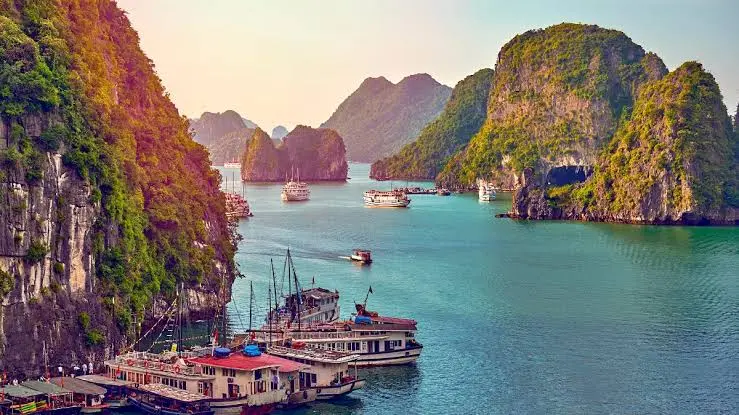
Half a century ago, Vietnam was synonymous with war. The country had emerged from one of the most devastating conflicts of the twentieth century, with its cities damaged, economy shattered, and millions of lives lost. Yet today Vietnam tells a very different story — one of recovery, economic reform, and remarkable transformation.
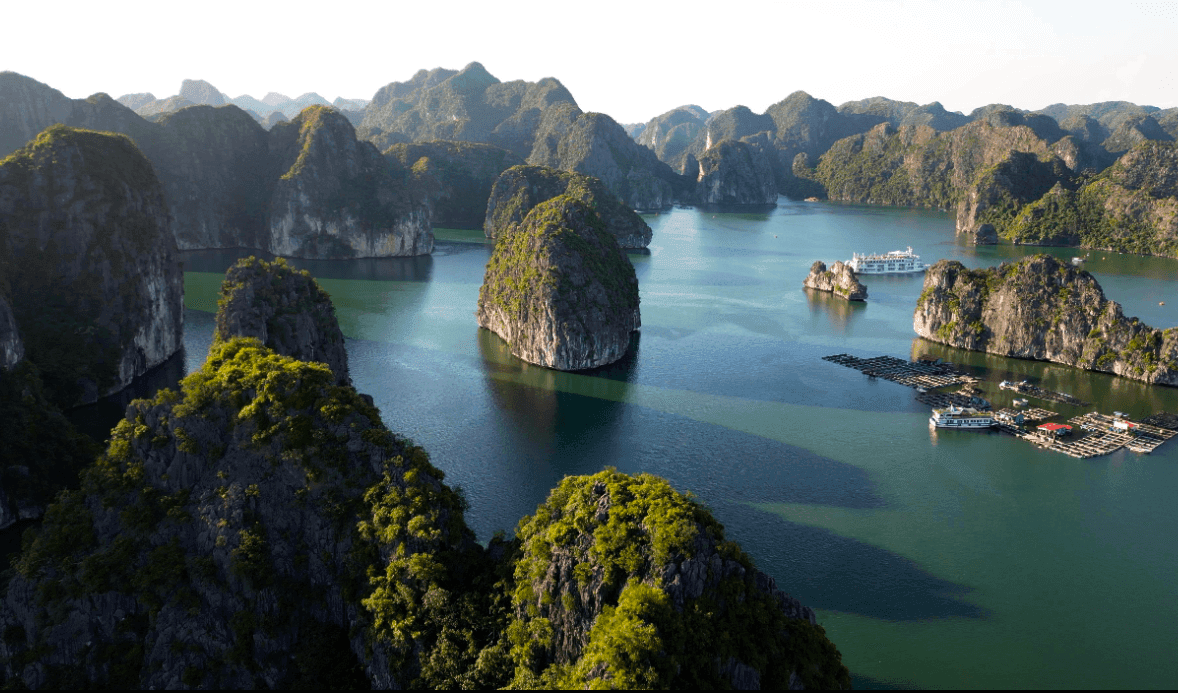
Modern Vietnam has become one of Southeast Asia’s most dynamic economies and one of the world’s fastest-growing tourism destinations. From towering limestone islands rising from emerald waters to ancient lantern-lit towns and vast mountain rice terraces, the country now attracts millions of visitors each year.
Understanding the Vietnam War
The Vietnam War was one of the defining conflicts of the Cold War era. The war was fought between communist North Vietnam and the United States-backed government of South Vietnam. From the 1960s to the mid-1970s, the conflict escalated into a massive military confrontation involving guerrilla warfare, aerial bombardment, and large-scale troop deployments.
The United States sent hundreds of thousands of troops to Vietnam in an effort to stop the spread of communism in Southeast Asia. However, the war proved costly and controversial, ultimately ending in 1975 with the fall of Saigon and the reunification of Vietnam under communist rule.

Vietnam’s Economic Transformation
Vietnam’s remarkable recovery began with economic reforms known as Đổi Mới introduced in 1986. These reforms shifted the country from a rigid centrally planned system to a more market-oriented economy.
Foreign investment increased rapidly, industries expanded, and Vietnam began integrating into the global economy. Tourism became a major pillar of economic growth, supported by improved infrastructure, airports, and international connectivity.
Today Vietnam welcomes millions of international tourists every year and continues to expand its tourism sector as a key driver of development.
Vietnam’s Natural Wonders
Vietnam’s geography stretches from tropical coastlines to mountainous highlands, offering extraordinary natural landscapes that attract travelers from around the world.
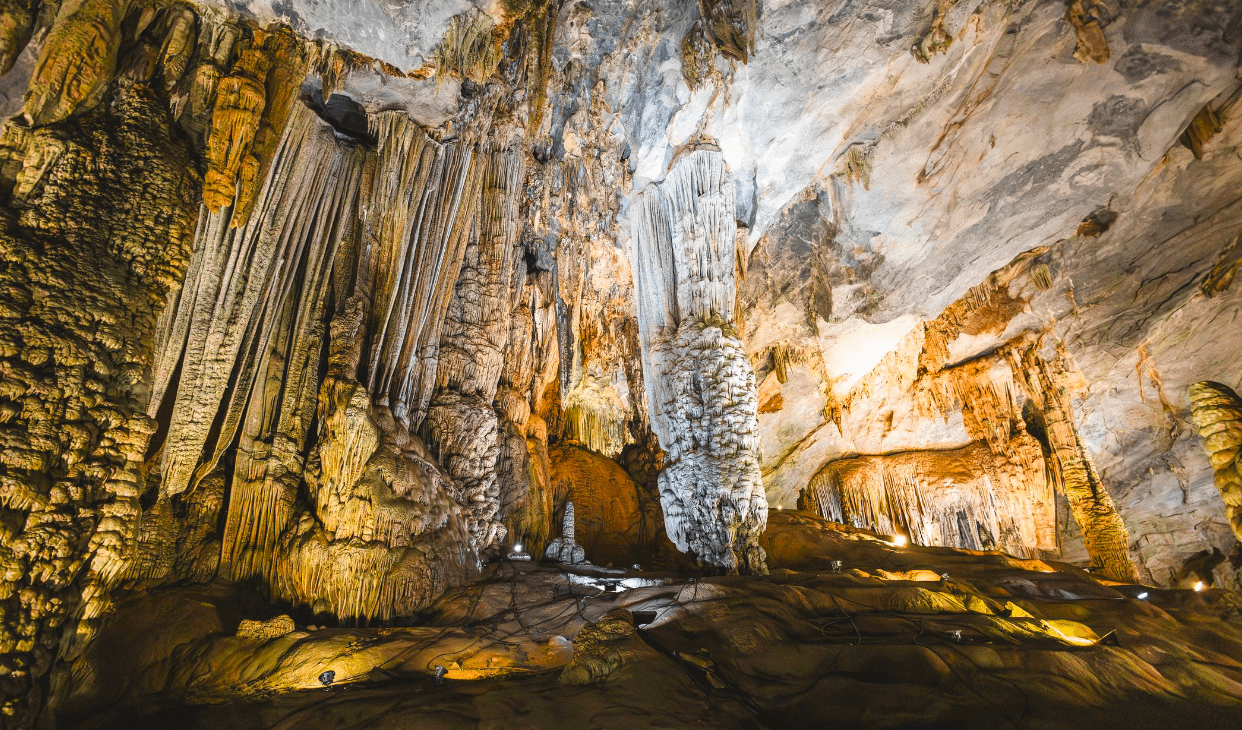
One of the most remarkable destinations is Phong Nha–Ke Bang National Park in central Vietnam. This UNESCO-listed park contains vast cave systems, underground rivers, and dramatic limestone formations, including Son Doong Cave — the largest cave on Earth.
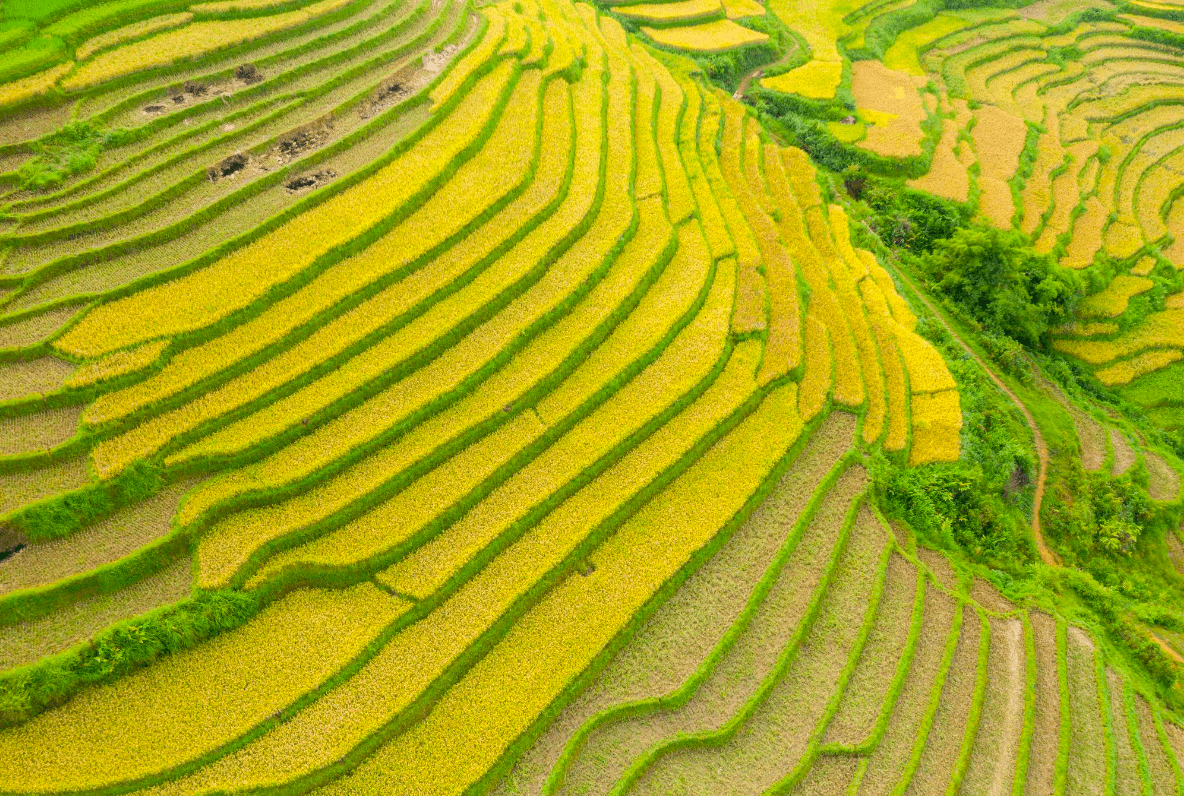
In the northern mountains near the Chinese border lies Sapa, famous for its breathtaking terraced rice fields carved into steep hillsides. These terraces were developed by ethnic minority communities over centuries and remain one of Vietnam’s most spectacular landscapes.
Cultural Tourism and Historic Cities
Beyond natural beauty, Vietnam also offers vibrant cultural destinations. Ancient trading towns, colonial architecture, and rich culinary traditions attract travelers seeking authentic experiences.
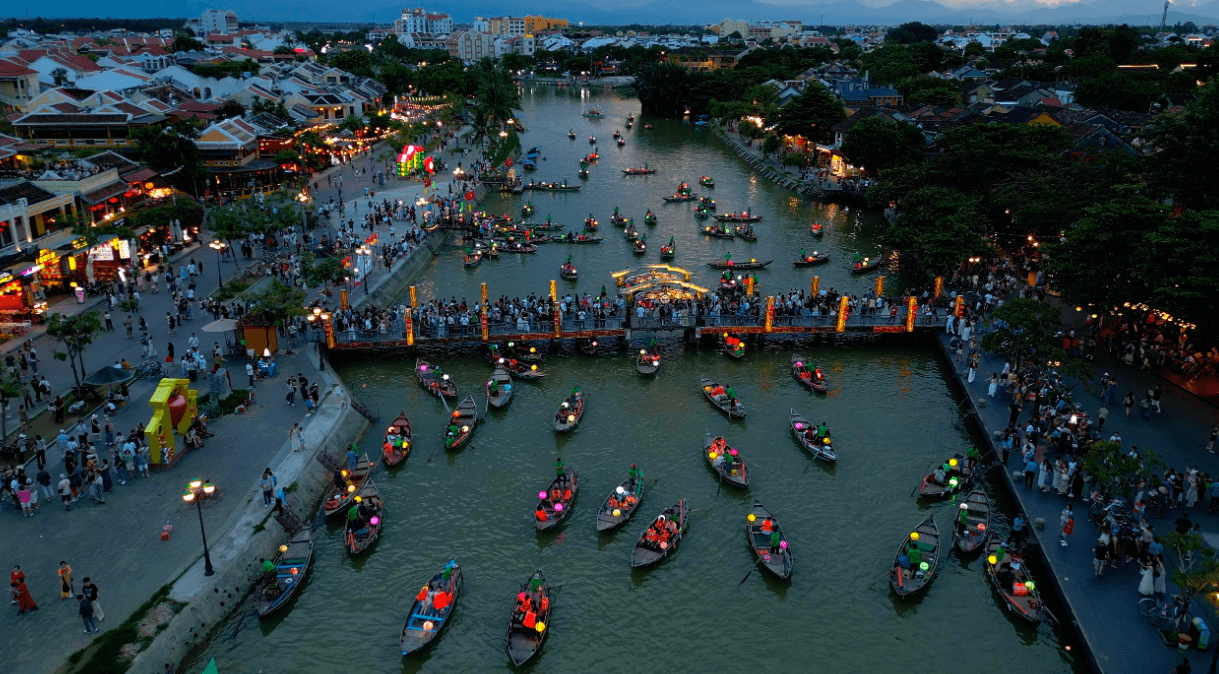
Hoi An, a UNESCO World Heritage site, is one of the country’s most beloved cultural destinations. The town’s lantern-lit streets, historic merchant houses, and riverside markets create a unique atmosphere that reflects Vietnam’s long history of international trade.
Modern Tourism Landmarks
Vietnam’s tourism industry has also embraced modern architectural attractions that have quickly become global icons.
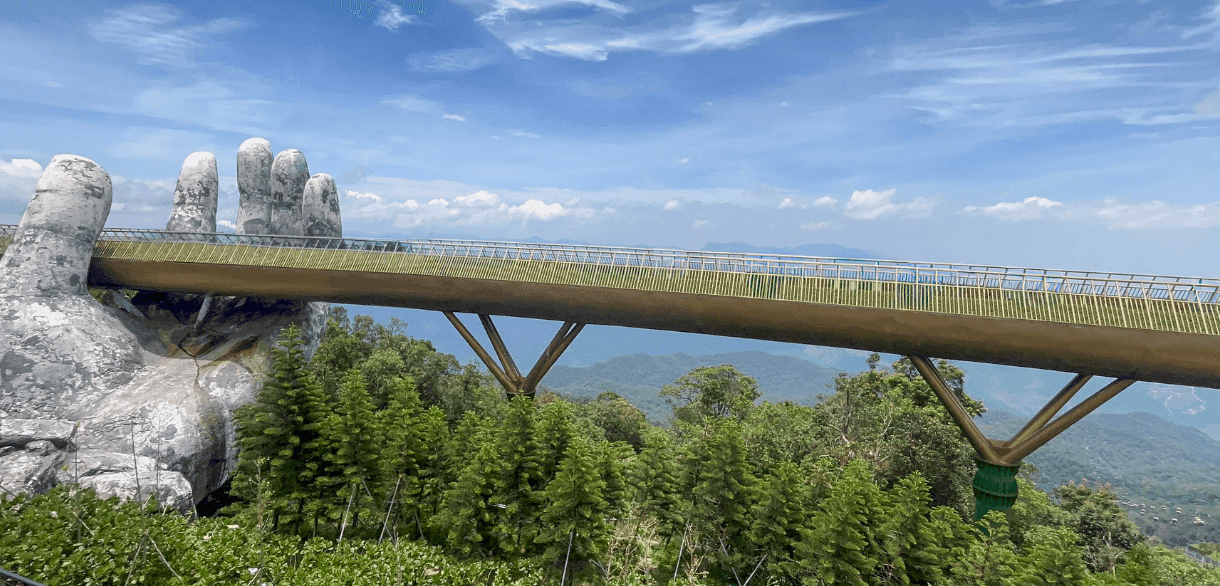
The Golden Bridge near Da Nang stretches across the mountains of Ba Na Hills and appears to be supported by massive stone hands. Since opening in 2018, it has become one of the most photographed tourist landmarks in the world.
Is Vietnam Safe for Tourists?
Vietnam is widely considered one of the safest destinations in Southeast Asia. Violent crime rates are low, and millions of travelers visit the country each year without major safety concerns.
Most travel issues involve minor concerns such as traffic congestion in large cities or petty theft in crowded markets. Overall, Vietnam offers a welcoming environment for international visitors.
Vietnam’s Tourism Future
Vietnam continues to invest heavily in tourism infrastructure, including airports, highways, and coastal resorts. The government aims to attract tens of millions of visitors annually while also promoting sustainable tourism and environmental protection.
Today, the same landscapes that once witnessed conflict now welcome travelers from across the world — turning Vietnam into a symbol of resilience, renewal, and opportunity.
Vietnam’s transformation from a war-torn nation to one of Asia’s fastest-growing tourism destinations reflects the country’s remarkable resilience and economic reinvention. Today, Vietnam not only attracts travelers seeking natural beauty and cultural heritage, but also plays an increasingly important role in regional geopolitics and global trade. For deeper geopolitical context, readers can explore our analysis on
how global conflicts influence strategic markets and our report on
major military operations shaping modern geopolitics.
For further background on Vietnam’s history and tourism development, see the overview provided by
the United Nations World Tourism Organization.