
The Eastern Strategist | Middle East
Israel Opens New Front in Iran War With Strike on South Pars Energy Nerve Centre
The attack marks a dangerous shift in the conflict, moving the war beyond military targets and into the economic infrastructure that helps keep Iran running.
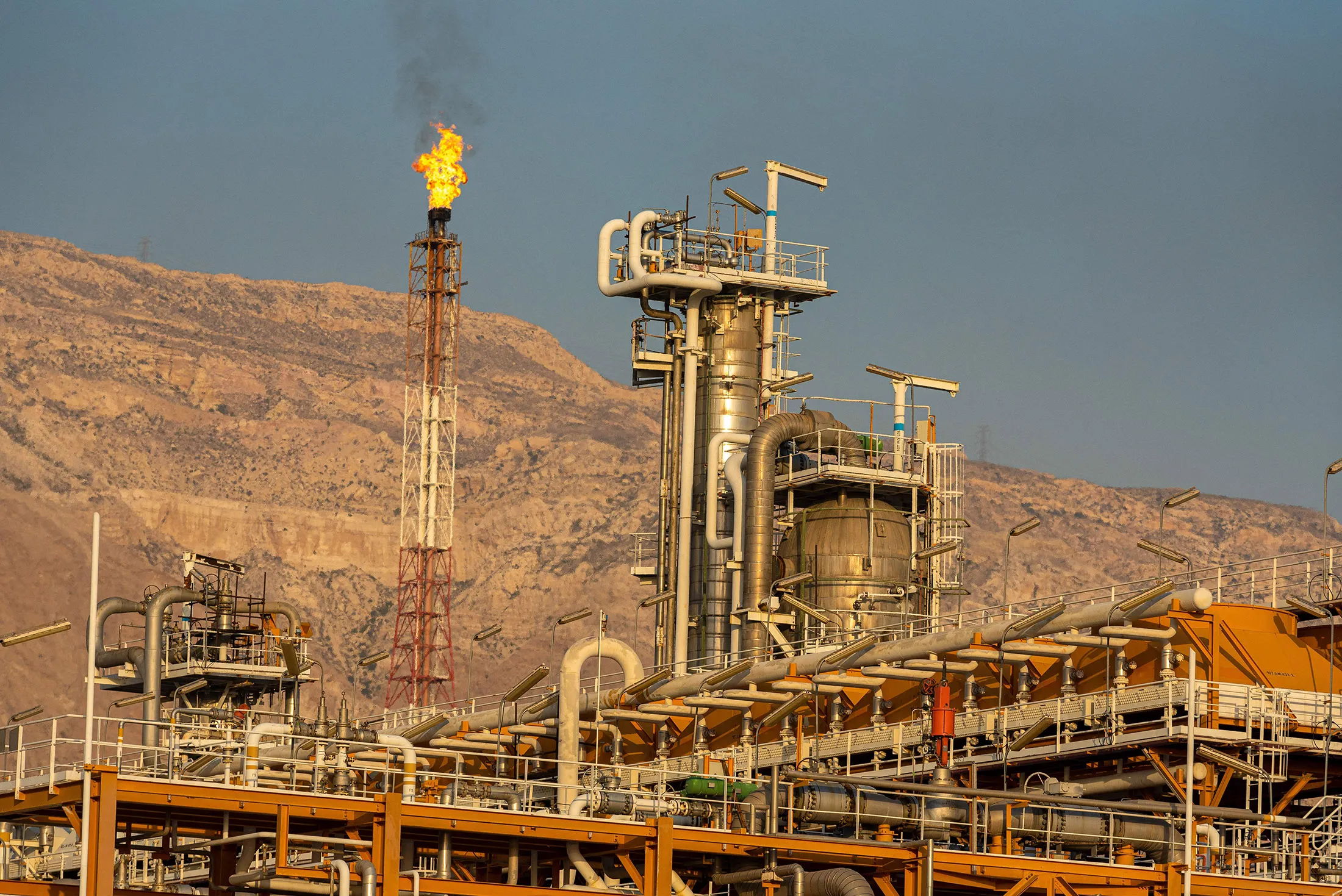
Israel has opened a new phase in its confrontation with Iran by striking a major petrochemical facility at the South Pars complex in Asaluyeh. The move is important not only because of the target itself, but because of what it signals. This war is no longer limited to military positions and missile systems. It is now pushing into the energy backbone of the Iranian state.
South Pars is one of Iran’s most important energy assets. It supports a large part of the country’s gas economy and plays a central role in industry, electricity generation and state revenue. That makes it more than an industrial zone. It is a pressure point. By hitting it, Israel is sending a clear message that Iran’s economic lifelines are no longer off limits.
This is what makes the strike different from many earlier attacks in the conflict. Until now, the main focus was on commanders, air defence systems, launch sites and military infrastructure. A strike linked to South Pars changes the picture. It expands the battlefield from security targets to strategic economic assets.
Read our wider coverage here: Iran War Hub. For the wider shipping and energy risk, see our Strait of Hormuz guide.
Why this strike matters
The significance of the strike is not only physical damage. It is also psychological and economic. A hit on a major energy-linked site raises fears that the conflict could spread into a broader supply crisis. Once energy infrastructure becomes part of direct war planning, markets begin to price in much bigger risks.
That is why this development matters far beyond Iran and Israel. It places fresh pressure on energy markets, shipping routes and regional stability. It also deepens fears around the Strait of Hormuz, which remains one of the world’s most sensitive oil transit corridors.
External coverage: Reuters on the strike, Reuters on South Pars.
Markets and regional fallout
The market reaction has been immediate. Traders were already watching the war closely because of the risk to Gulf shipping and oil flows. A strike on South Pars adds a new layer of concern. It tells markets that energy assets themselves may now be part of the escalation ladder.
At the same time, Iranian retaliation has kept military tensions high. That makes diplomacy harder and keeps investors on edge. Any conflict that starts touching both energy systems and transport routes quickly becomes a global concern, not just a regional one.
Also read: US-Iran war market impact and defence stocks.
Why India is watching closely
For India, the danger is clear. A prolonged energy shock in the Gulf can quickly feed into oil prices, freight costs and inflation. That is why developments like this matter in New Delhi as much as they do in Tehran or Tel Aviv. The issue is not only war. It is economic spillover.
India’s energy security depends heavily on stable flows from the region. If strikes on strategic assets continue and shipping risks rise further, the pressure will spread from global markets into domestic costs and planning.
Related reading: How the Middle East war affects India.
The bigger message
Israel’s strike on South Pars matters because it changes the logic of the conflict. This is no longer only a war of missiles, raids and military attrition. It is becoming a contest over infrastructure, economic pain and strategic endurance.
That is why this strike deserves attention. It moves the war closer to the energy arteries of the region, and once that happens, the consequences become much harder to contain.