
BRENT CRUDE OIL PRICE | U.S. ECONOMY
Reporting note: This analysis is based on publicly reported developments from Reuters and The Associated Press, including energy-market pricing, Gulf shipping attacks, Basra port disruption, and renewed pressure on the Strait of Hormuz.
Primary data points used for authentication: Brent of crude briefly touched $100 per barrel before trading at $96.88; U.S. West Texas Intermediate reached $91.52; AP reported oil moved back above $100 as attacks on shipping and energy infrastructure intensified.
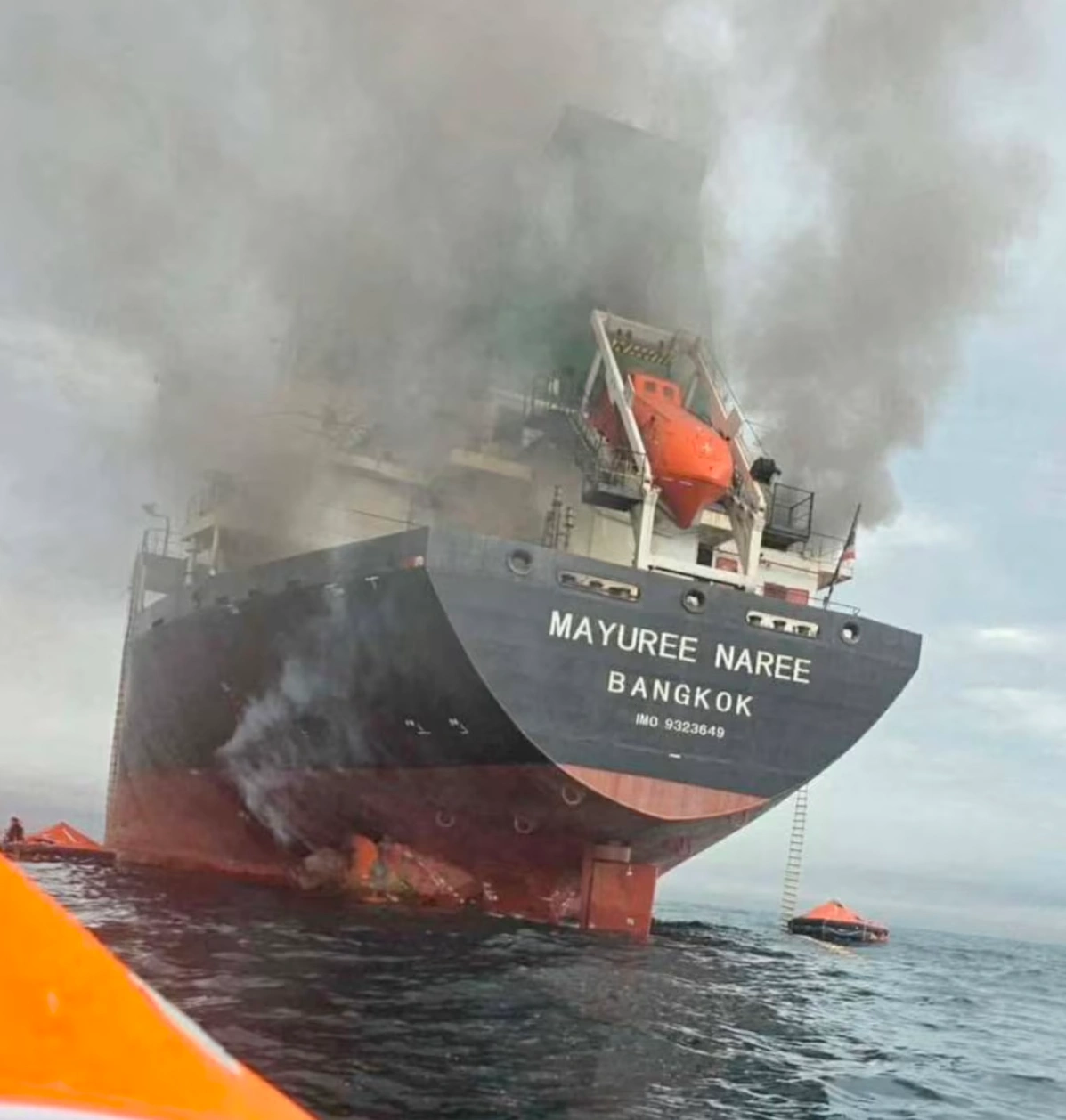
Brent crude oil price surged toward the $100 threshold on Thursday after attacks on commercial ships in Gulf waters reignited fears of a wider supply shock, driving the oil price per barrel sharply higher and putting fresh attention on the price of oil today for U.S. consumers, traders and policymakers.
The move was not just another commodities swing. It was a direct market response to rising risk near one of the world’s most important energy corridors, where fresh attacks on tankers and port-linked infrastructure have raised the possibility of sustained shipping disruption and a renewed inflation problem for the American economy.
Brent crude jumps as shipping risks intensify
The immediate market response was swift. Brent crude, the global benchmark that shapes international energy pricing, climbed sharply as traders absorbed reports of attacks in Gulf waters and growing instability around Iraq’s Basra port and the Strait of Hormuz.
For markets, the significance lies in the combination of physical disruption and perceived risk. Even when oil supply is not fully cut off, the threat of tanker delays, insurance repricing and rerouted shipping can push the brent crude oil price materially higher in a matter of hours.
That dynamic was visible again on Thursday. Once the oil price per barrel moves toward triple digits, the story broadens from energy desks to inflation forecasts, airline balance sheets and U.S. household budgets.
Why this matters for U.S. gas prices
American drivers do not need the United States to import every affected barrel for this shock to hurt. Oil is globally priced, and when traders mark up the price of oil today because Gulf supply routes appear less secure, U.S. refiners and fuel distributors eventually face higher input costs.
That pressure tends to move through the system quickly. If Brent remains elevated, gasoline and diesel prices can rise within days or weeks, especially when the market begins to believe the disruption is not temporary.
This is where the positive and negative split becomes clear. Higher crude can support the earnings outlook for producers and energy exporters, but it creates a darker outlook for transport-heavy industries, consumers and inflation-sensitive policymakers.
Why the Strait of Hormuz remains critical
The Strait of Hormuz is not just another maritime route. It is one of the most strategically important chokepoints in the global economy, carrying a significant share of the world’s seaborne crude exports from producers including Saudi Arabia, Iraq, Kuwait and the United Arab Emirates.
That concentration is what gives the region such market power. When conflict threatens vessel movement through Hormuz, the market does not wait for a full closure before reacting. It prices the risk immediately.
That is exactly what has happened here. The price of oil today is reflecting more than current barrels on the water. It is reflecting fear that one narrow corridor could become too dangerous, too expensive or too politically unstable to function normally.
Who wins and loses from higher oil
There is a limited upside in this story. Major oil producers, upstream companies and some energy-linked equities often benefit when benchmark prices rise sharply. If the brent crude oil price remains elevated, their cash-flow outlook improves.
The downside is much broader. Airlines, shippers, logistics firms, manufacturers and consumer-facing companies all face more expensive fuel or transport inputs. That can squeeze margins, weaken confidence and slow spending.
Financial markets usually understand this split early. Energy shares tend to strengthen while transport and retail names lose momentum. What looks like a positive shock for one sector becomes a negative macro signal for much of the rest of the economy.
What Washington can do next
Washington does have tools, but none of them are painless. Strategic petroleum reserves can provide a temporary buffer, and coordinated actions with allies can help reduce panic in the market. Reuters reported that the International Energy Agency approved a 400 million barrel emergency release as the energy shock intensified.
Still, reserve releases buy time more than they solve the problem. They can soften the short-term spike in the oil price per barrel, but they cannot restore confidence if shipping lanes remain under threat.
The more durable solution is de-escalation or restored maritime security. Until traders believe Gulf routes are stable, the price of oil today will remain highly sensitive to every new report from the region.
Strategic outlook for oil and consumers
The next market move depends on whether the latest attacks remain episodic or develop into a sustained campaign against shipping and energy infrastructure. If tanker traffic continues with only limited interruption, Brent could stabilize below the most alarming levels.
If not, traders may begin pricing a longer disruption window. That would increase the likelihood of another leg higher in the brent crude oil price, revive political pressure over gasoline costs and put energy back at the center of the U.S. inflation debate.
For U.S. readers, the takeaway is blunt. This is not a distant regional flare-up with abstract consequences. It is a live test of how quickly instability in Gulf shipping can move through global markets and show up where voters notice it most: on the gas station sign.
Primary External Sources
Latest market and conflict reporting can be reviewed via
Reuters’ oil market update,
Reuters’ report on the IEA reserve release,
and
The Associated Press dispatch on the latest Gulf attacks and oil surge.