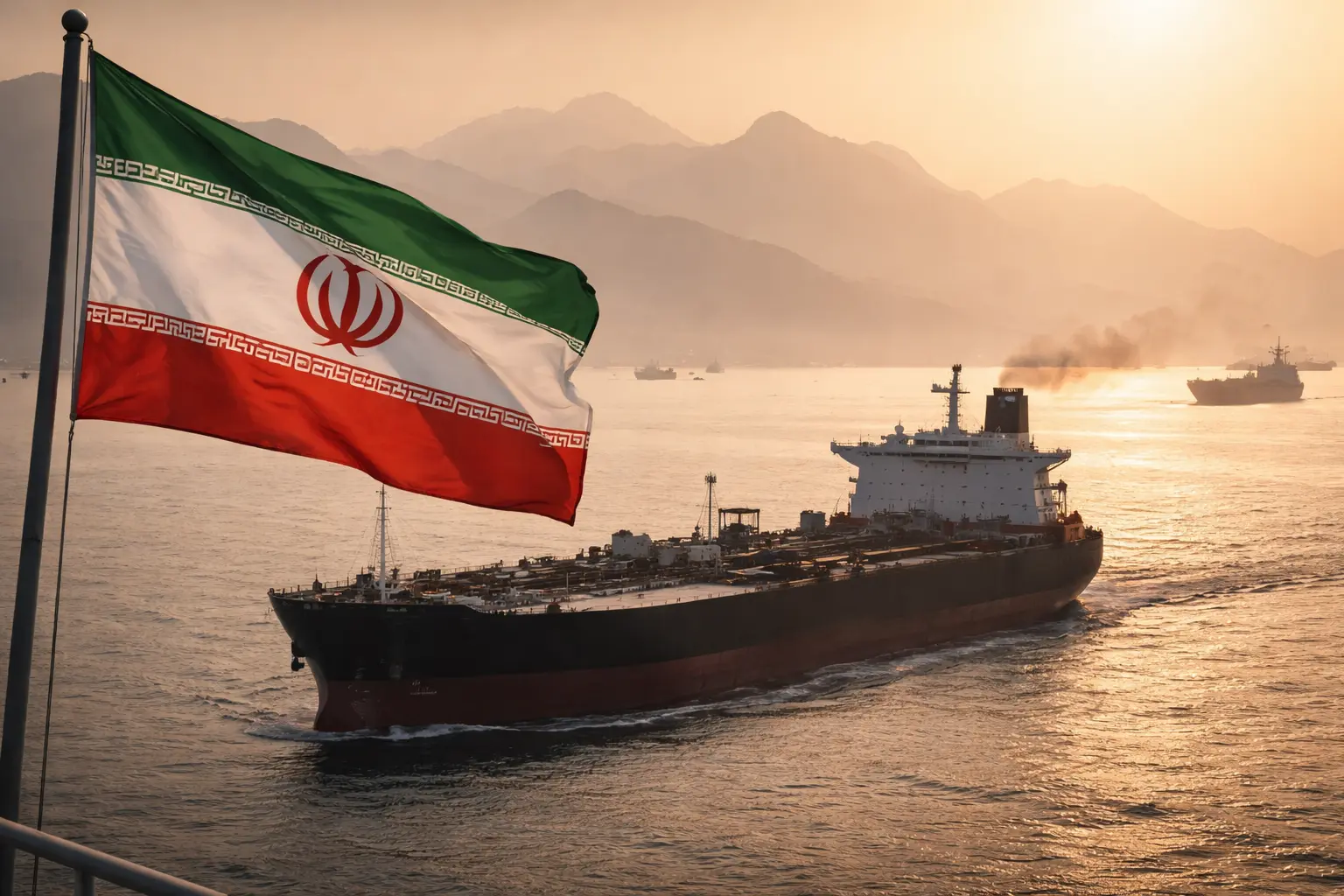
Oil Surges as Iran Threatens U.S. Companies in West Asia
Tehran opens a new front in the war, pulling corporate infrastructure into a conflict already shaking energy markets
By Abhishek Kumar | The Eastern Strategist
Iran has warned it will begin targeting U.S. companies operating in West Asia from April 1, opening a new front in a conflict that is already pushing oil prices higher and widening geopolitical risk. The message is clear: the war is no longer confined to military sites. Corporate assets are now in scope.
The Islamic Revolutionary Guard Corps has identified at least 18 American firms—including Microsoft, Google, Apple, Tesla and Boeing—as potential targets. Tehran has framed the move as retaliation, alleging these companies support U.S. and Israeli operations in the region.
This marks a clear shift. Commercial presence is no longer insulated from escalation. For a broader view of how India is preparing for contested environments, see our analysis on India’s Ghatak stealth UCAV program.
Oil markets are already reacting
Markets have already priced in the risk. A large oil tanker off Dubai was hit in an Iranian-linked strike, sending Brent crude sharply higher. Reuters reported that the attack has intensified fears of supply disruption across the Gulf.
The concern goes beyond a single incident. The Strait of Hormuz remains a critical chokepoint for global oil flows, and any sustained disruption could ripple through shipping, insurance, and pricing.
Economic damage is rising
The economic toll is mounting. A UNDP-linked estimate reported by Al Jazeera suggests Arab economies could face losses of up to $194 billion within a month.
That reflects not just physical damage, but lost trade, disrupted logistics, and rising costs across energy and insurance markets.
Europe signals concern
European governments have also begun expressing discomfort. According to Reuters , countries including France and Italy have pushed back on aspects of U.S. military operations.
That signals emerging cracks in Western alignment as the conflict deepens.
TES Insight
Iran’s move expands the conflict from military confrontation to economic warfare. Once corporate assets are explicitly targeted, markets begin to price in sustained instability rather than temporary disruption.
For more on how regional tensions are reshaping strategic calculations, read our analysis on Iran-U.S. talks and Pakistan’s mediation role .
Iran’s warning to U.S. companies is not an isolated development. It sits inside a wider war that is already reshaping oil markets, Gulf shipping and the regional balance of power. To understand the bigger picture and track the conflict in full, explore our Iran War Hub .