THE JERUSALEM GAMBIT: How Modi’s 2026 Visit is Quietly Redrawing the Middle East’s Strategic Map
Jerusalem Gambit is no longer just diplomacy—it is a powerful geopolitical turning point that could redefine the Middle East’s future and cement India’s role as a global strategic superpower.
Jerusalem Gambit: 7 Explosive Strategic Signals from Modi’s 2026 Israel Visit That Could Reshape the Middle East Forever
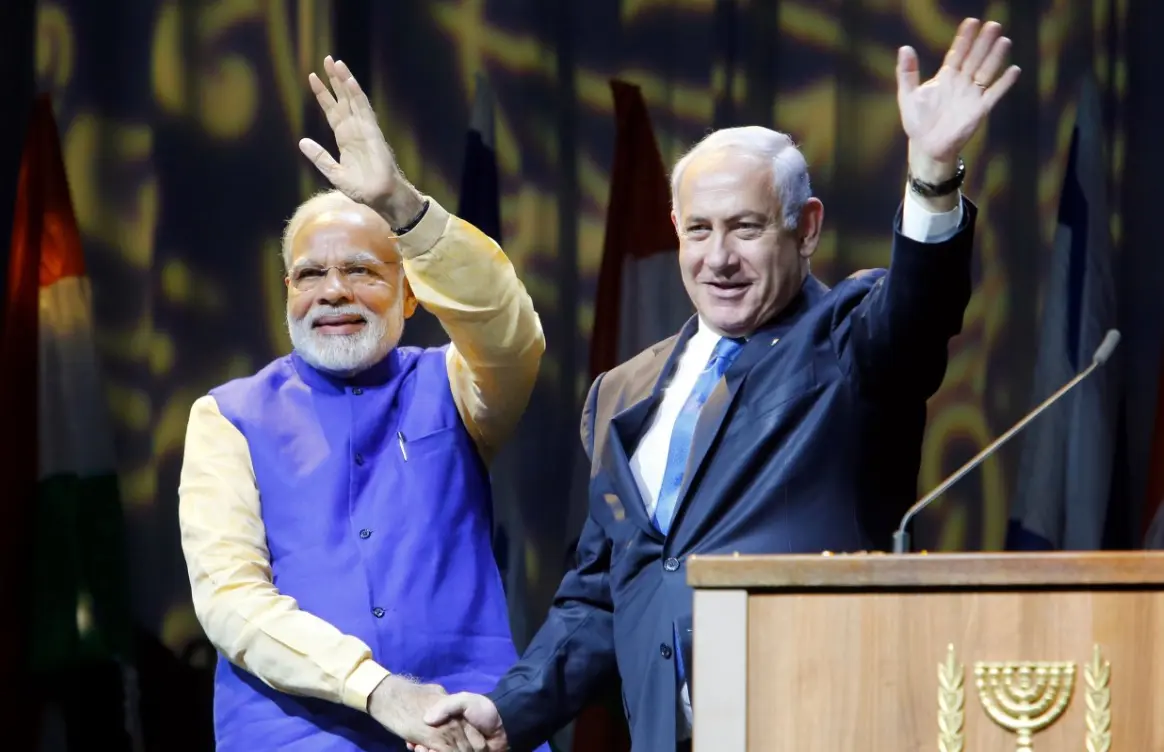
When Prime Minister Narendra Modi lands in Israel on February 25, 2026, this is not a routine diplomatic visit. This is a high-stakes, calculated geopolitical move unfolding amid rising instability, global power competition, and shifting alliances.
This Jerusalem Gambit represents India’s bold transition from regional power to global strategic architect.
India is no longer reacting to global events. India is shaping them.
—Jerusalem Gambit and the Rise of India in the New Middle East Power Structure
Israeli Prime Minister Benjamin Netanyahu recently unveiled a revolutionary “Hexagon alliance”—a strategic security network involving India, Greece, Cyprus, and key Middle Eastern partners.
This is not symbolic diplomacy. This is strategic elevation.
India’s inclusion signals trust, power, and long-term strategic alignment.
Unlike the past, India is no longer viewed as a passive observer. India is now a critical pillar of regional security architecture.
This aligns with India’s expanding global influence, as seen in its evolving trade and economic leadership outlined in India-US Trade Deal Reset Analysis .
—Jerusalem Gambit Shows India’s Strategic Autonomy—Not Weakness, But Powerful Independence
India’s recent UN vote criticizing Israeli settlement expansion initially appeared contradictory.
But this was not weakness.
This was strategic autonomy at its most sophisticated level.
India is simultaneously strengthening ties with:
- Israel (technology, defence)
- United States (economic partnerships)
- Arab nations (energy and investments)
- Global South (diplomatic leadership)
This balanced diplomacy enhances India’s credibility and leverage.
Unlike Western powers constrained by alliances, India retains freedom of strategic action.
Technology, Defence, and AI: The Most Powerful Core of the Jerusalem Gambit
The most transformative aspect of the Jerusalem Gambit lies in technology and defence cooperation.
Expected agreements include:
- Artificial Intelligence chip design cooperation
- Quantum computing research partnerships
- AI-enabled drone development
- Cybersecurity co-development
- Semiconductor ecosystem expansion
This represents a massive shift from buyer-seller dependency to strategic co-development partnership.
Official confirmation and defence cooperation details are available via the Israel Ministry of Defense official website .
This move strengthens India’s long-term technological sovereignty.
It also reduces reliance on Western defence suppliers—a powerful strategic advantage.
IMEC Corridor: The Hidden Strategic Weapon Behind the Jerusalem Gambit
The India-Middle East-Europe Economic Corridor (IMEC) is the backbone of India’s geopolitical expansion.
Originally seen as a trade route, IMEC is now emerging as peace infrastructure.
The corridor connects India to Europe through:
- UAE ports
- Saudi Arabia logistics networks
- Israel’s Haifa Port
- European trade gateways
Official IMEC framework details can be found via the White House official statements archive .
This reduces dependence on unstable maritime chokepoints like the Red Sea and Suez Canal.
It also counters China’s Belt and Road Initiative—a major geopolitical threat.
India’s growing role in global security architecture is further reflected in its strategic positioning discussed in US-Iran Military Strategic Analysis .
Jerusalem Gambit and India’s Defence Transformation: From Buyer to Global Military Partner
Since the Kargil War in 1999, India-Israel defence cooperation has grown rapidly.
But the Jerusalem Gambit marks a historic shift.
India is no longer just purchasing defence systems.
India is helping design them.
This dramatically strengthens India’s military independence and global power status.
India’s defence modernization strategy is also detailed via the official Indian Ministry of Defence .
Strategic Impact: 5 Powerful Outcomes of the Jerusalem Gambit
- India becomes a Middle East strategic architect
- Massive boost to India’s defence and AI capabilities
- Strengthening of IMEC corridor and economic power
- Reduction of Chinese geopolitical influence
- Expansion of India’s global leadership credibility
The geopolitical balance is shifting—and India is at the center.
—The Jerusalem Gambit Verdict: India’s Most Powerful Strategic Move in Decades
The Jerusalem Gambit represents more than diplomacy.
It represents India’s arrival as a global power broker.
India is uniquely positioned to balance relationships with Israel, Arab nations, the United States, and global partners.
This strategic flexibility is India’s greatest strength.
If executed successfully, the Jerusalem Gambit will permanently elevate India’s geopolitical status.
This is not just participation.
This is leadership.
—