ENERGY & GEOPOLITICS • Strategic Explainer
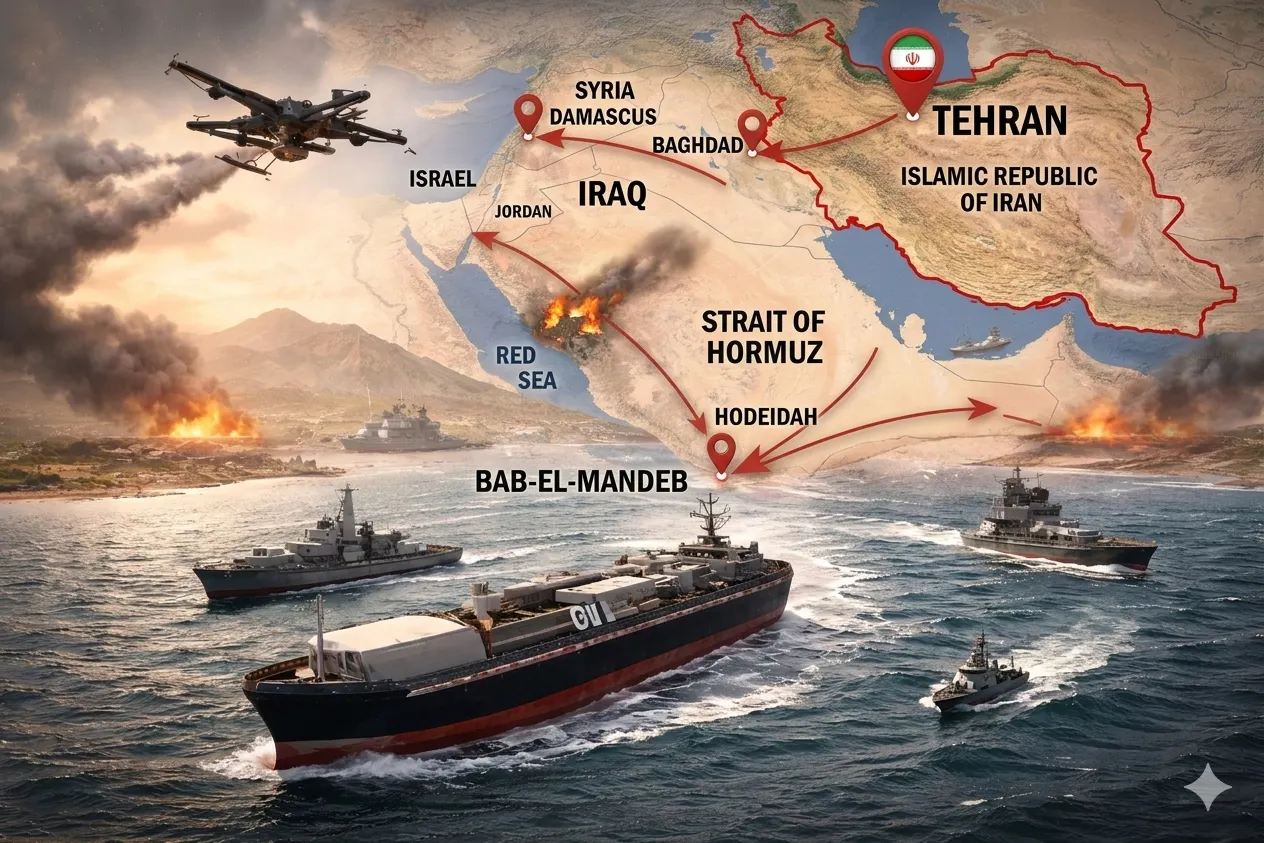
When risk rises in the Gulf, this narrow corridor becomes a global pricing engine—pushing oil higher, reshaping shipping, and testing crisis diplomacy.
Key Takeaways
- The Strait of Hormuz is the main exit route for Persian Gulf energy exports.
- Oil flows through Hormuz are roughly ~20 million barrels per day in recent years—around about one-fifth of global petroleum liquids consumption.
- Shipping lanes are narrow and structured, making traffic highly sensitive to military risk and insurance pricing.
- Markets often price an “energy shock” first (oil, freight, insurance) before a broader “financial shock” (currencies, equities, credit).
What Hormuz Is—and Why It Matters
The Strait of Hormuz is a narrow maritime corridor between Iran and Oman. It connects the Persian Gulf to the Gulf of Oman and the Indian Ocean,
making it the primary gateway for oil exports from major producers such as Saudi Arabia, Iraq, Kuwait, the United Arab Emirates, and Qatar.
That geography creates a hard reality for global energy markets: when Hormuz becomes unsafe or unpredictable, the risk premium shows up in prices
quickly—and not just for oil. It can spill into LNG markets, shipping costs, and broader inflation expectations.
The Numbers That Move Markets
The simplest way to understand Hormuz is through scale and concentration.
- Oil: Recent years have seen average flows of roughly ~20 million barrels per day through the strait—around about 20% of global petroleum liquids consumption.
- Maritime dependence: For Gulf exporters, the strait is not one route among many—it is the default route.
- Traffic design: Tanker movement is channelled into structured inbound/outbound lanes separated by a buffer—efficient in normal times, fragile in crisis.
Why a Small Disruption Has Big Effects
Even without a formal blockade, “effective disruption” can happen when shipowners, insurers, and crews decide the risk is too high.
In that scenario, commerce slows because:
- Insurance reprices instantly: war-risk premiums jump, and some routes become commercially irrational overnight.
- Rerouting is limited: alternatives exist (pipelines, different ports), but they cannot fully replace normal Gulf export volumes.
- Market psychology turns nonlinear: once traders believe flows might drop, prices can move ahead of confirmed shortages.
Market Pattern
- Phase 1: Oil spikes on supply-risk headlines.
- Phase 2: Freight, insurance, and refinery margins move as logistics tighten.
- Phase 3: If prolonged, inflation expectations rise and central-bank rate-cut hopes fade.
Can Hormuz Really “Close”?
“Closure” is often misunderstood. The strait can be legally open while being commercially unusable.
Full shutdown is rare because the costs are extreme—for exporters, importers, and global diplomacy.
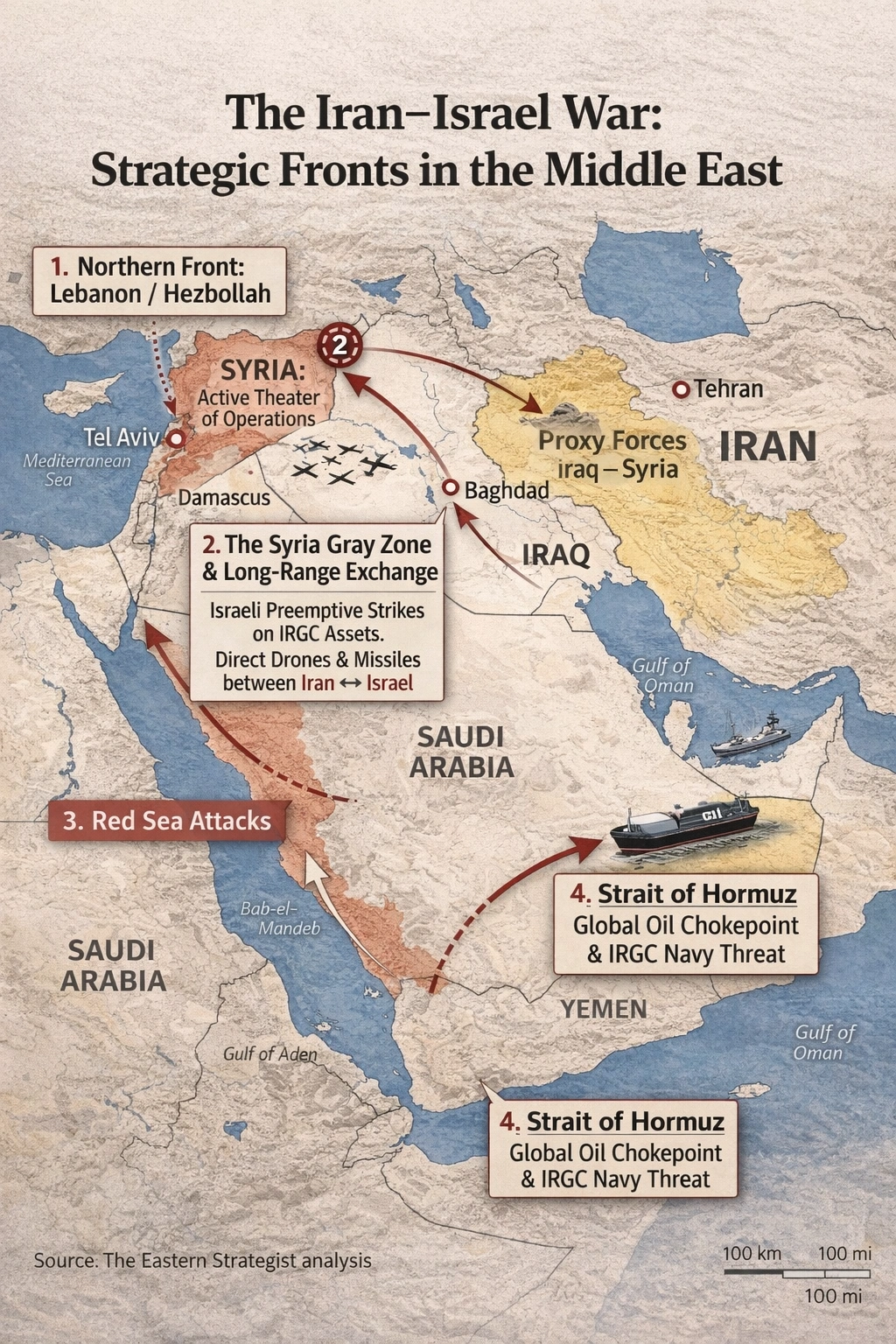
The more common risk is partial disruption: attacks, threats, mines, drone activity, or a naval posture that makes shipping intermittent.
In practice, markets treat “open but dangerous” as a form of closure because volumes and confidence drop.
What to Watch Next
Watchlist (Next 72 Hours)
- Tanker behavior: Are ships transiting, idling offshore, or diverting?
- War-risk insurance: Premiums rising, coverage withdrawn, or escorts mandated.
- Naval posture: Escorts, interceptions, warnings, and close encounters.
- Energy pricing: Brent/WTI moves first; then refinery margins and LNG spot pricing.
- Diplomacy signals: backchannel talks, de-escalation language, or escalation red lines.
Bottom line: the Strait of Hormuz is not just a map feature. It is a global risk switch.
When it is calm, markets forget it exists. When it destabilizes, the world re-learns how much of modern life runs through a narrow corridor of water.
As tensions in the Gulf evolve, the Strait of Hormuz remains the central pressure point for global energy markets. Even limited disruption to tanker traffic could rapidly affect oil prices, shipping routes, and financial markets worldwide. For a deeper look at how conflict in the region could influence defence stocks and global markets, read our analysis on
the market impact of a US–Iran war.
You can also explore background data on the strategic importance of the waterway from the
U.S. Energy Information Administration, which tracks global oil flows through the strait.
“`0