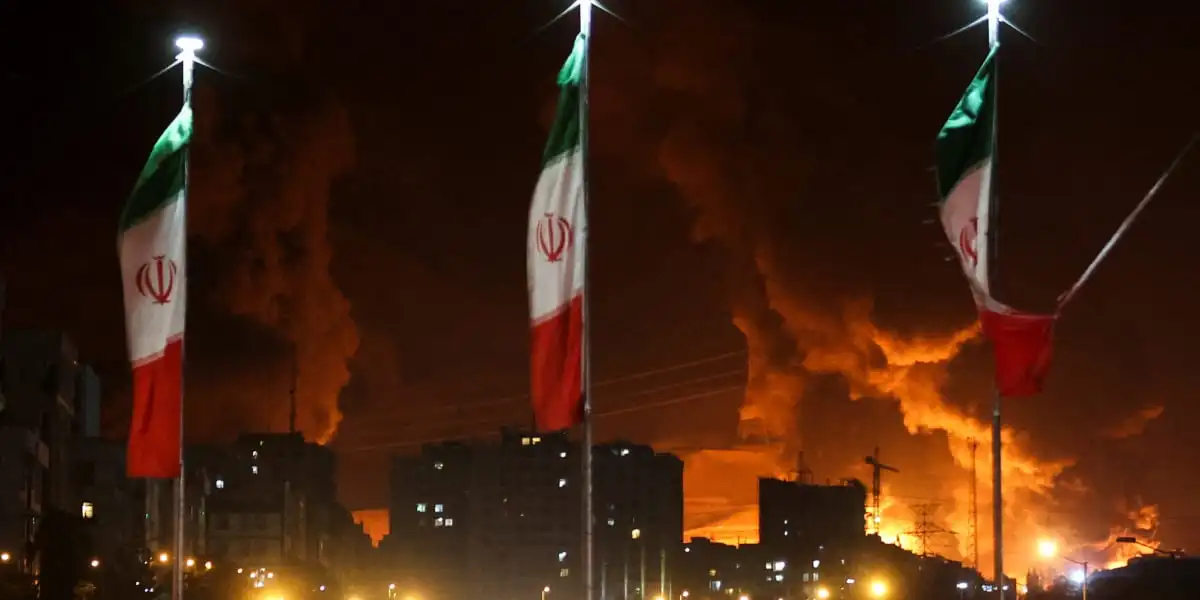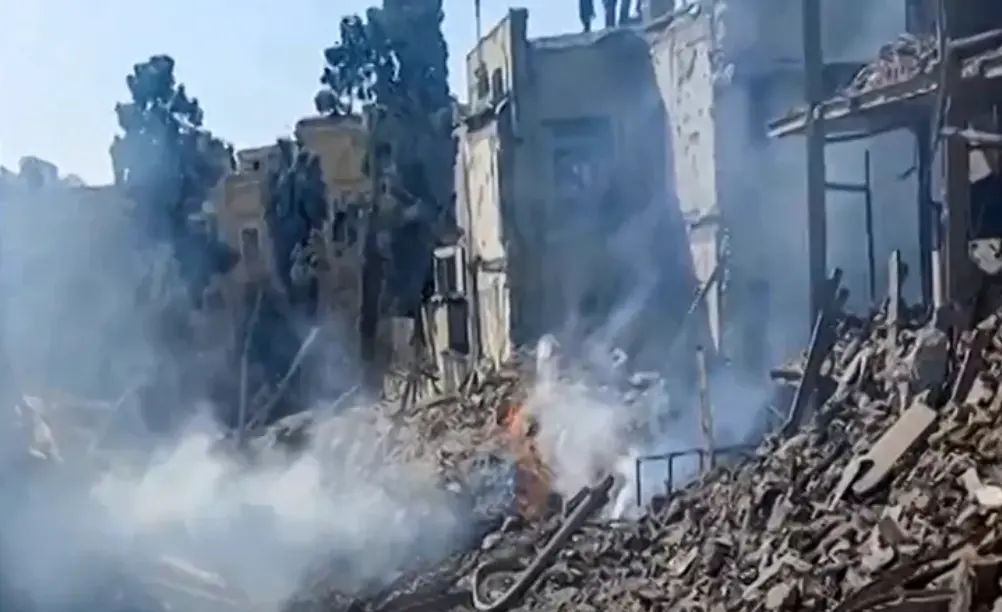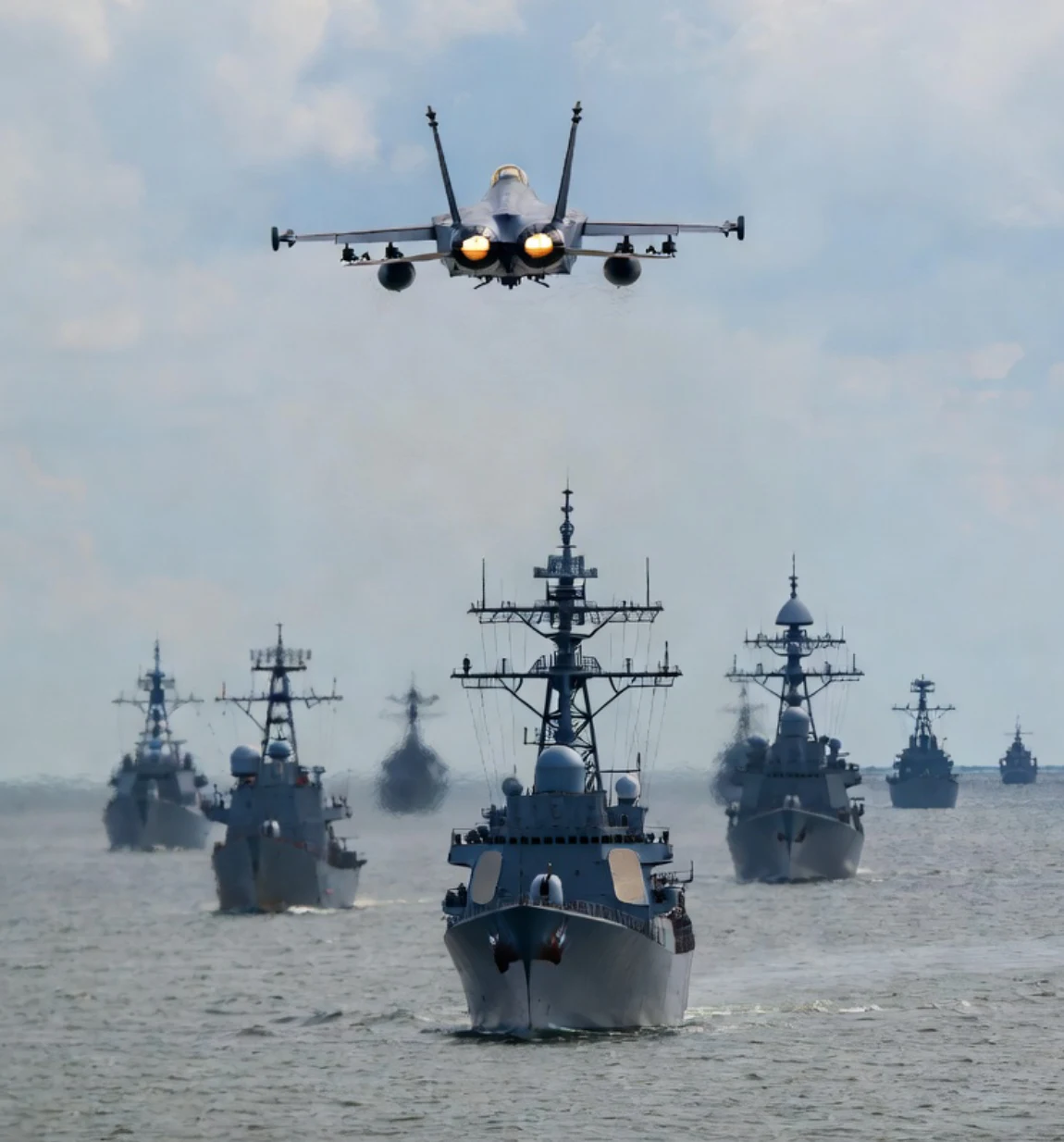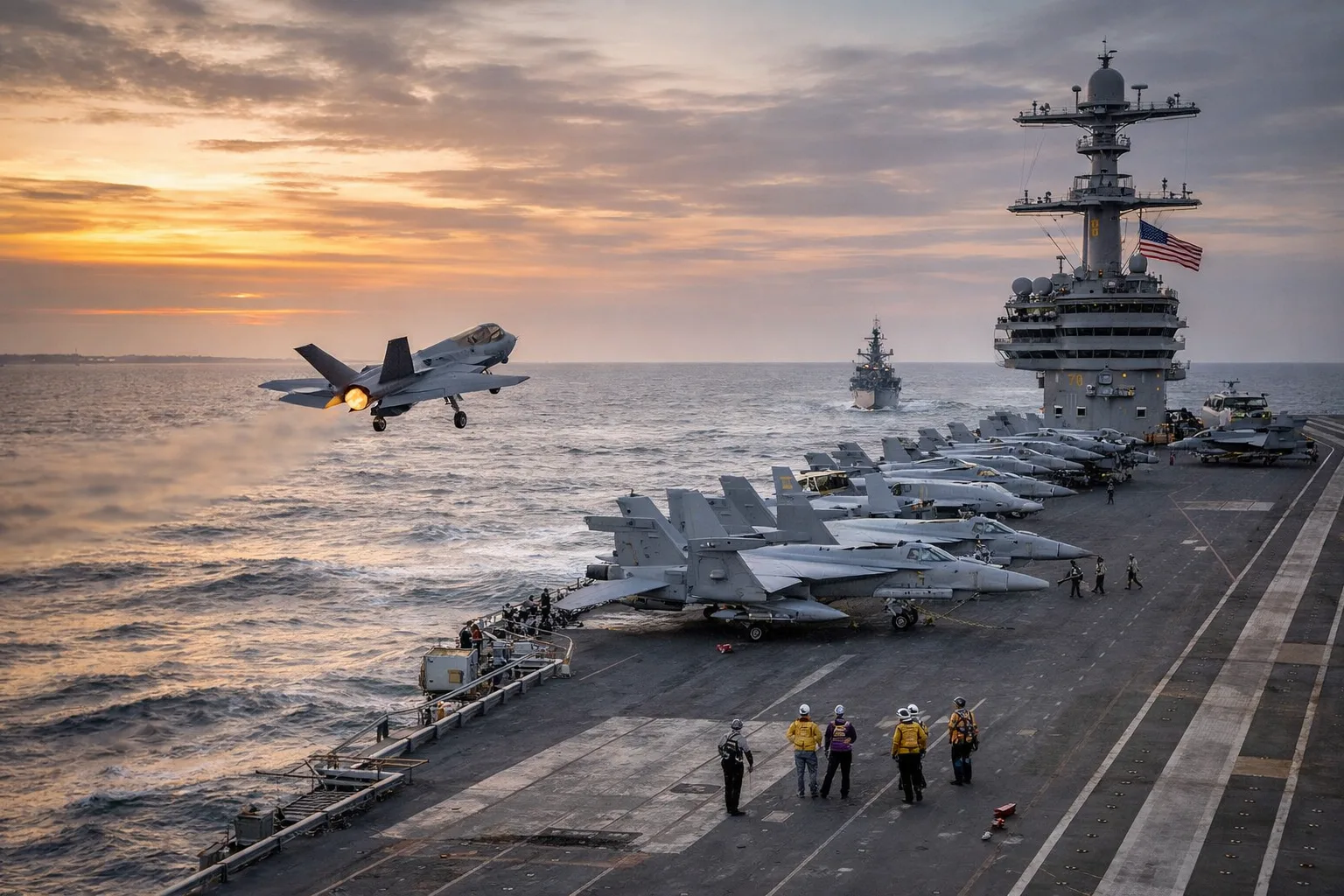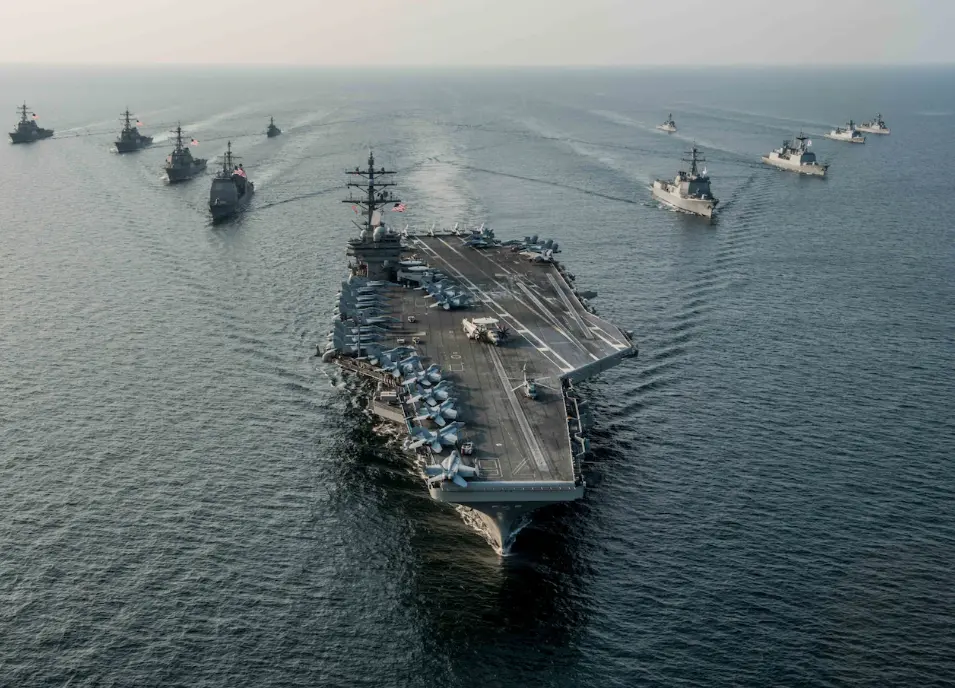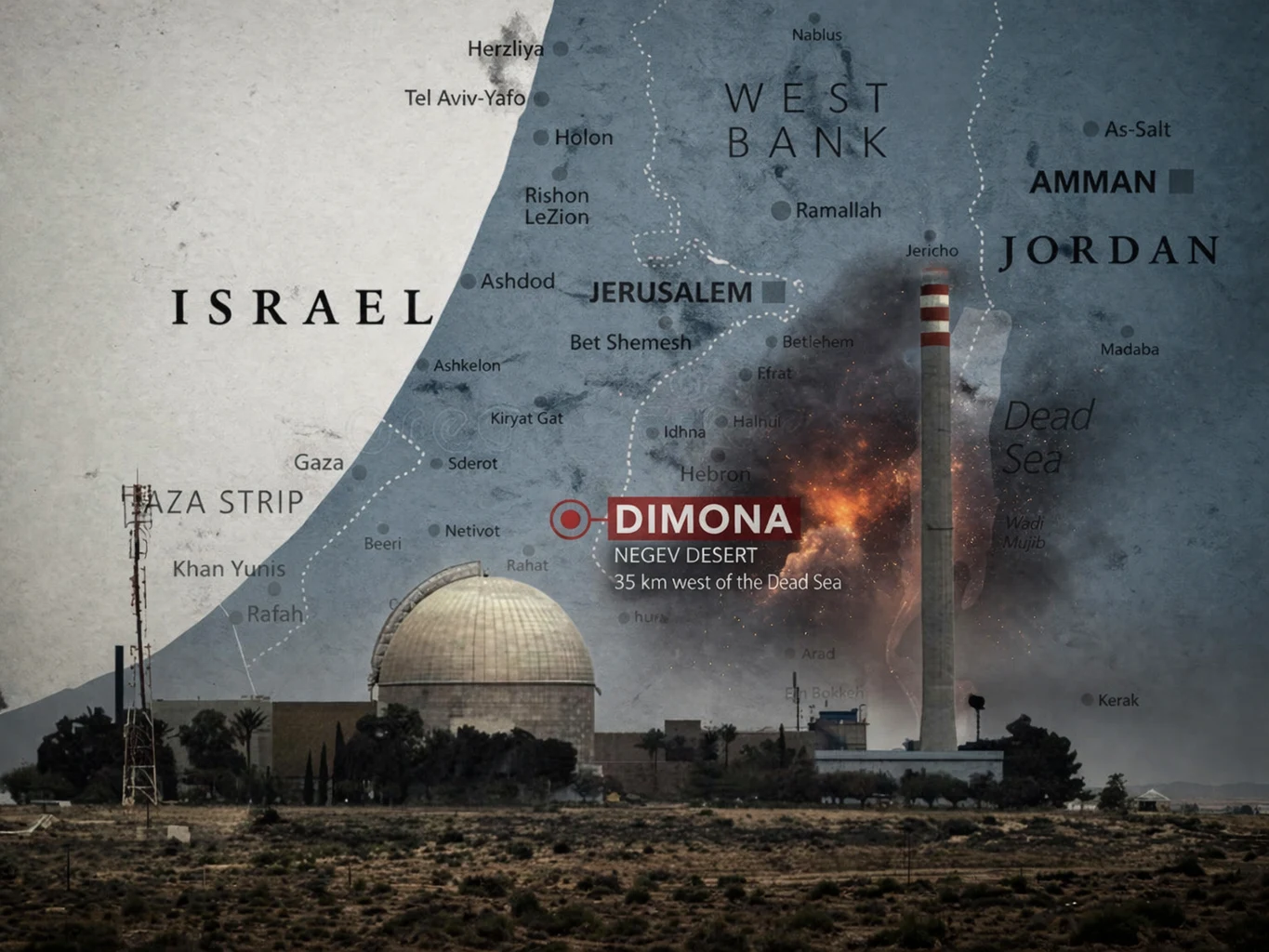
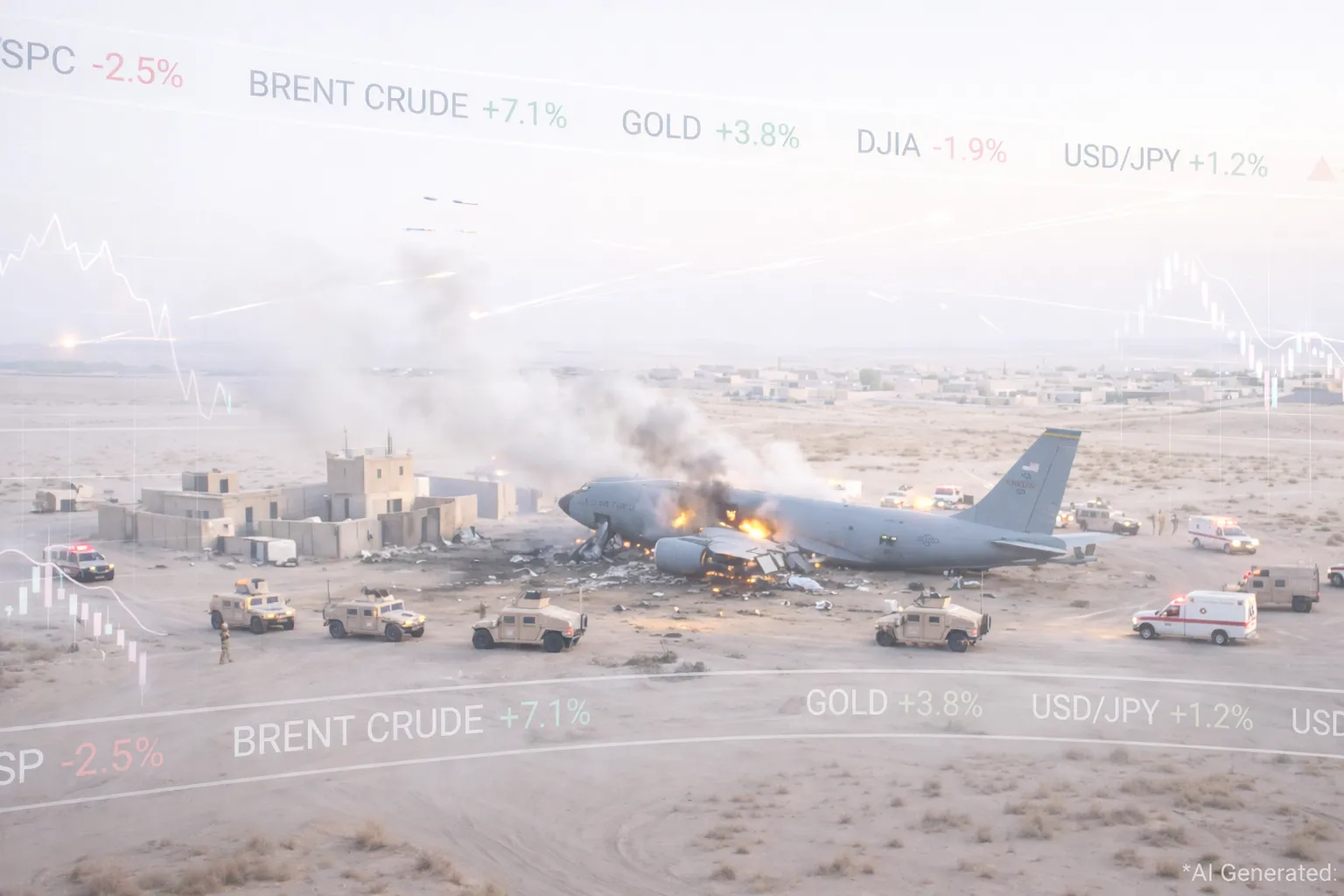
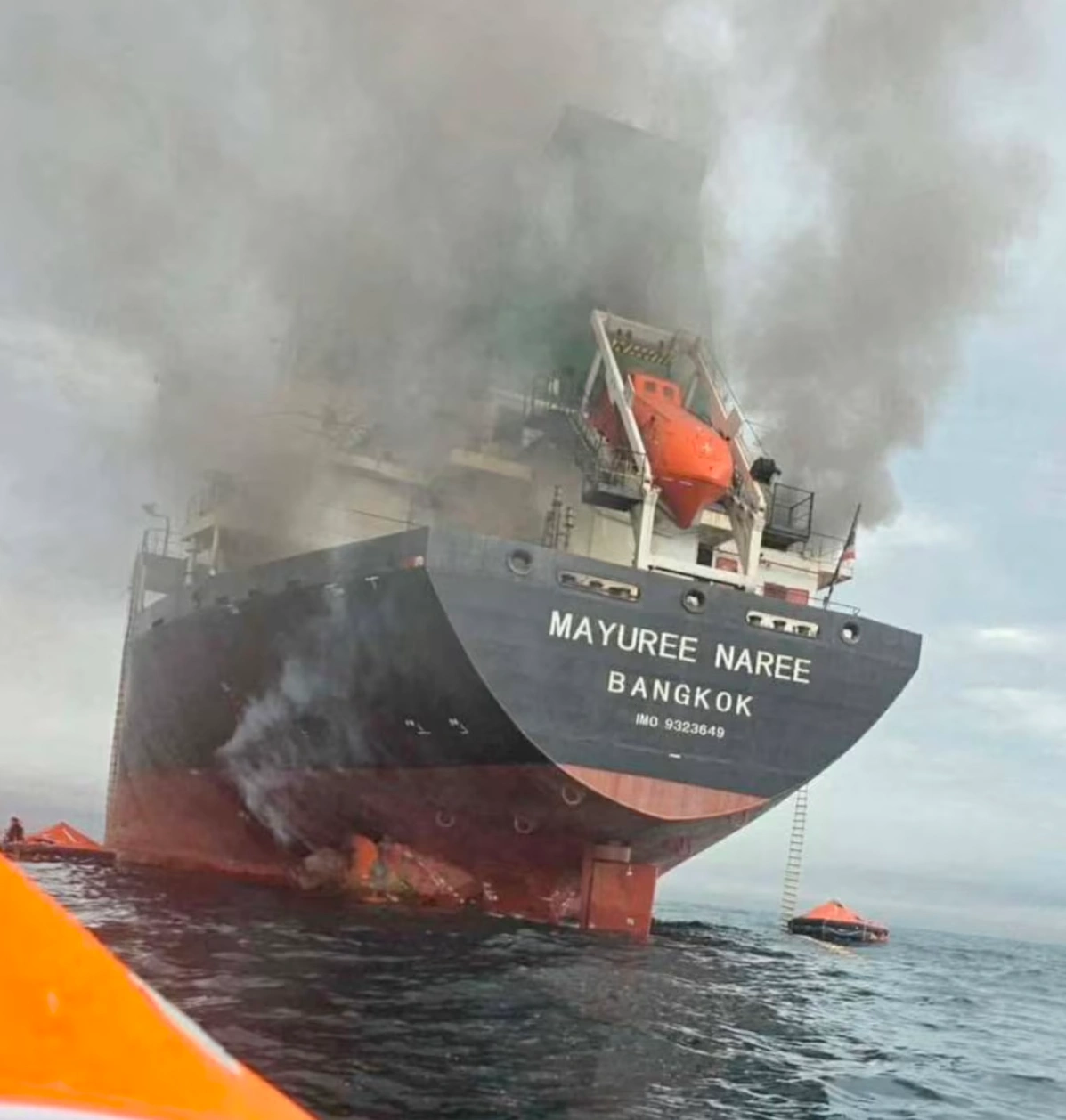

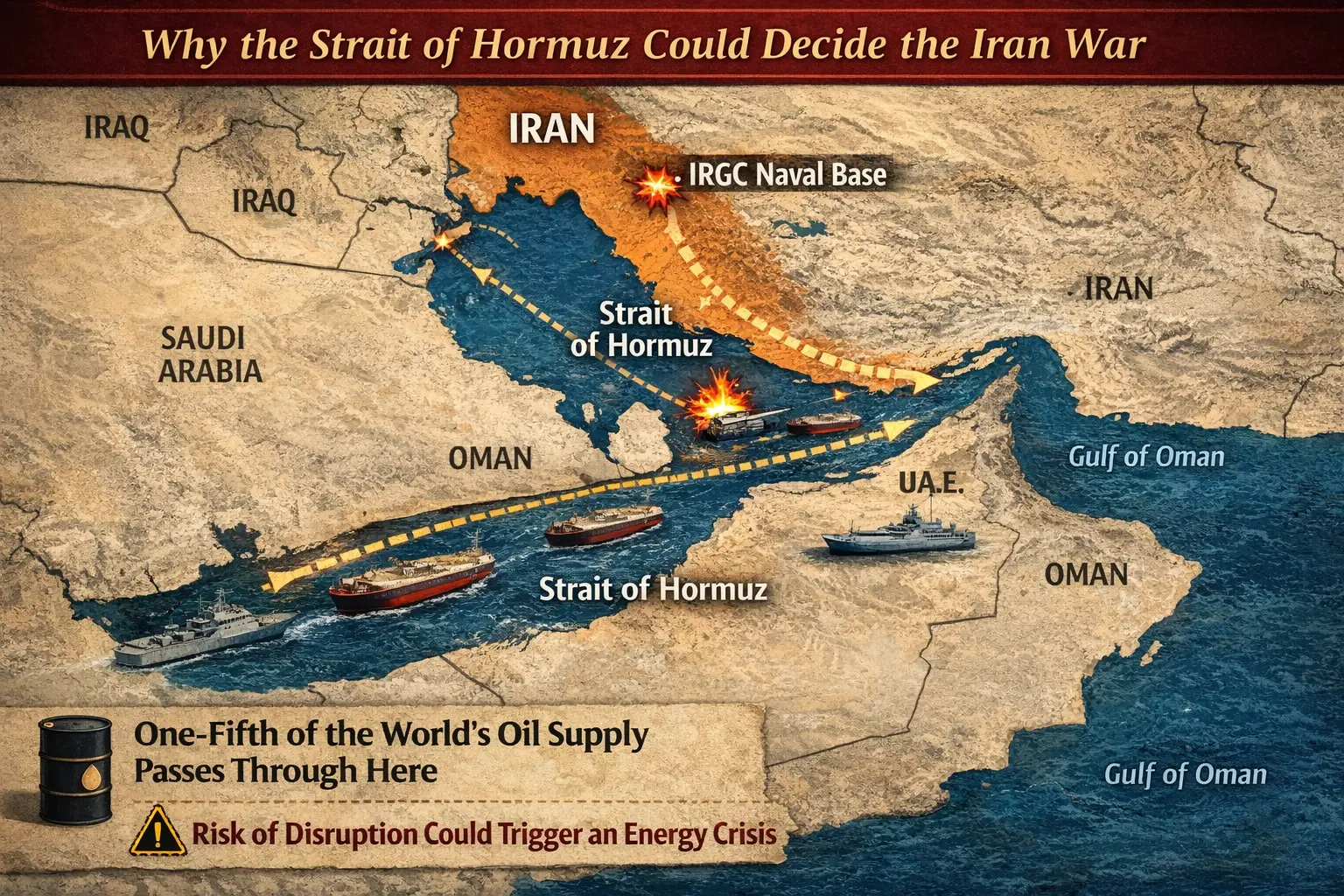
Iran war first week analysis shows that the United States and Israel have gained a crushing tactical advantage through Operation Epic Fury, successfully establishing air superiority over Tehran and decapitating the Iranian leadership. Yet, with the Strait of Hormuz effectively closed and oil prices surging toward $100 per barrel, the strategic victory remains elusive as the conflict morphs into a regional war of attrition
Contents
Introduction
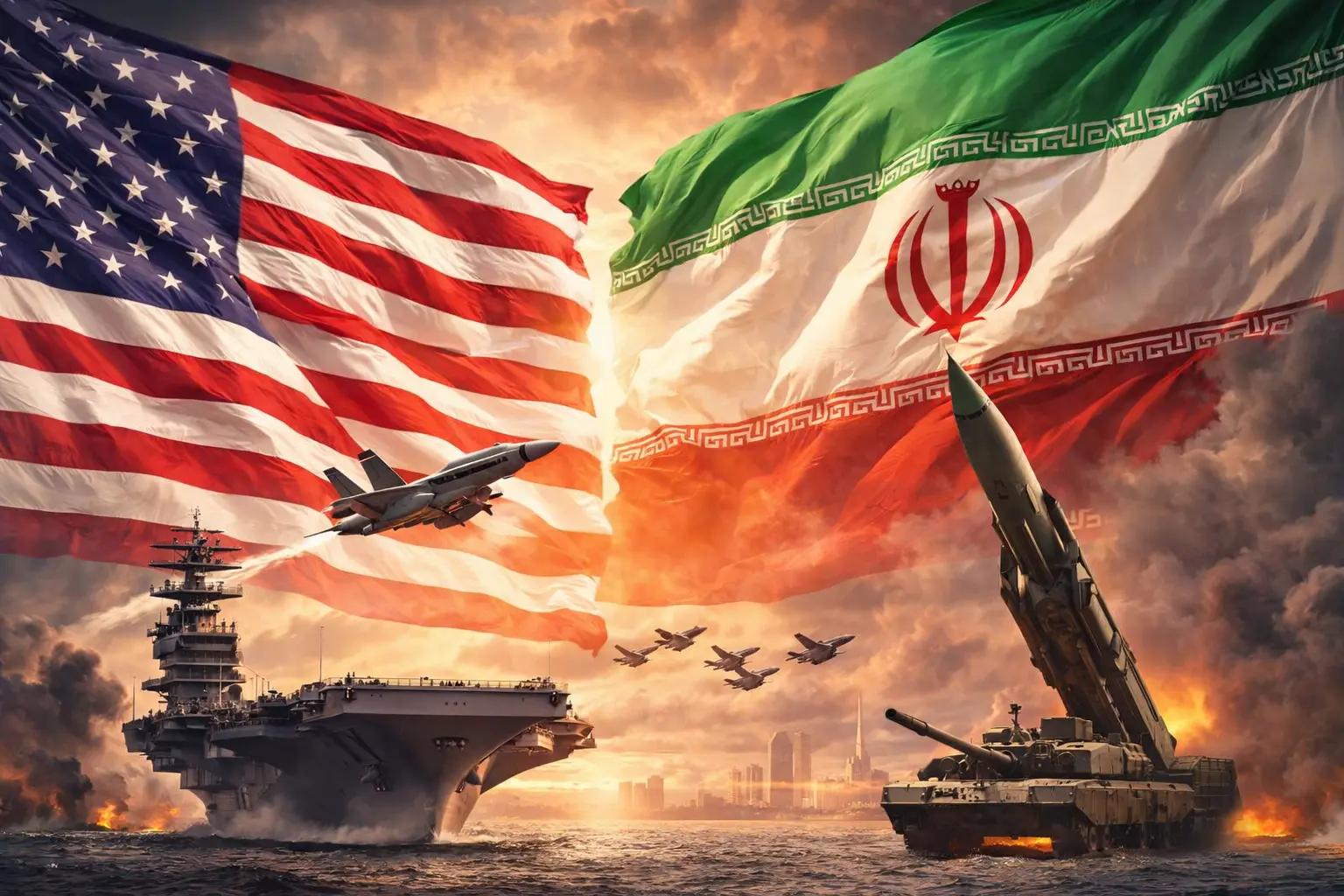
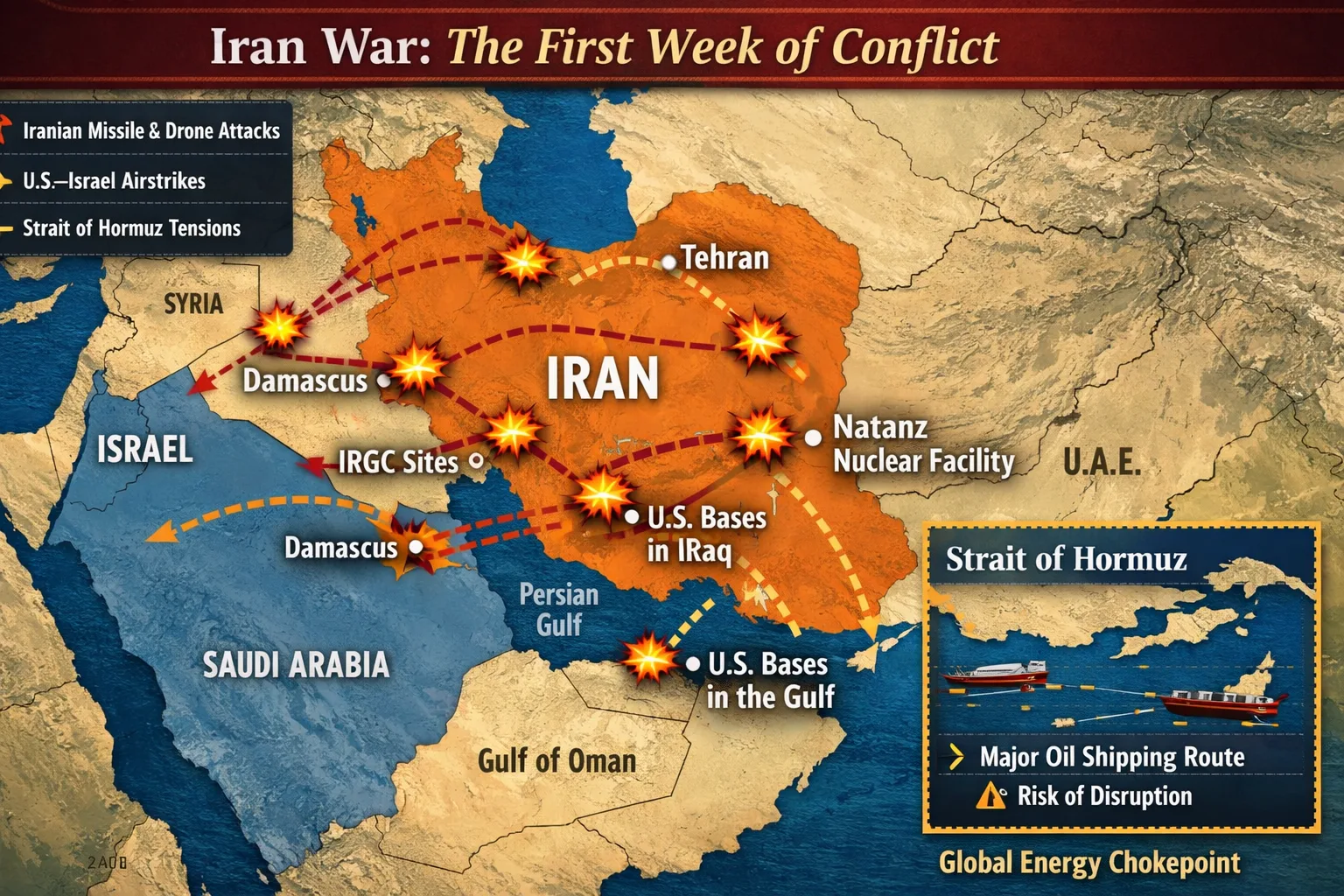
The Iran war has entered a dangerous new phase. What began as a massive U.S.–Israeli strike campaign against Iranian military infrastructure has rapidly expanded into a regional conflict involving missile attacks, drone launches, Gulf security alerts, and rising fears over the Strait of Hormuz. In just one week, the battlefield has changed dramatically.
The central question now is not simply whether Iran can keep retaliating, but whether the United States and Israel can convert early military success into a durable strategic outcome. The first week points to one clear conclusion: Washington and its allies appear to hold the tactical advantage in the air war, but the conflict is still far from settled.
Week One by the Numbers
3,000+
Iranian military targets reportedly struck during the first week of the campaign.
500+
Ballistic missiles launched by Iran in the opening phase of the war.
~2,000
Drones reportedly launched during Iran’s early retaliation waves.
Sharp decline
Iranian missile launch tempo appears to have fallen as launch infrastructure came under sustained attack.
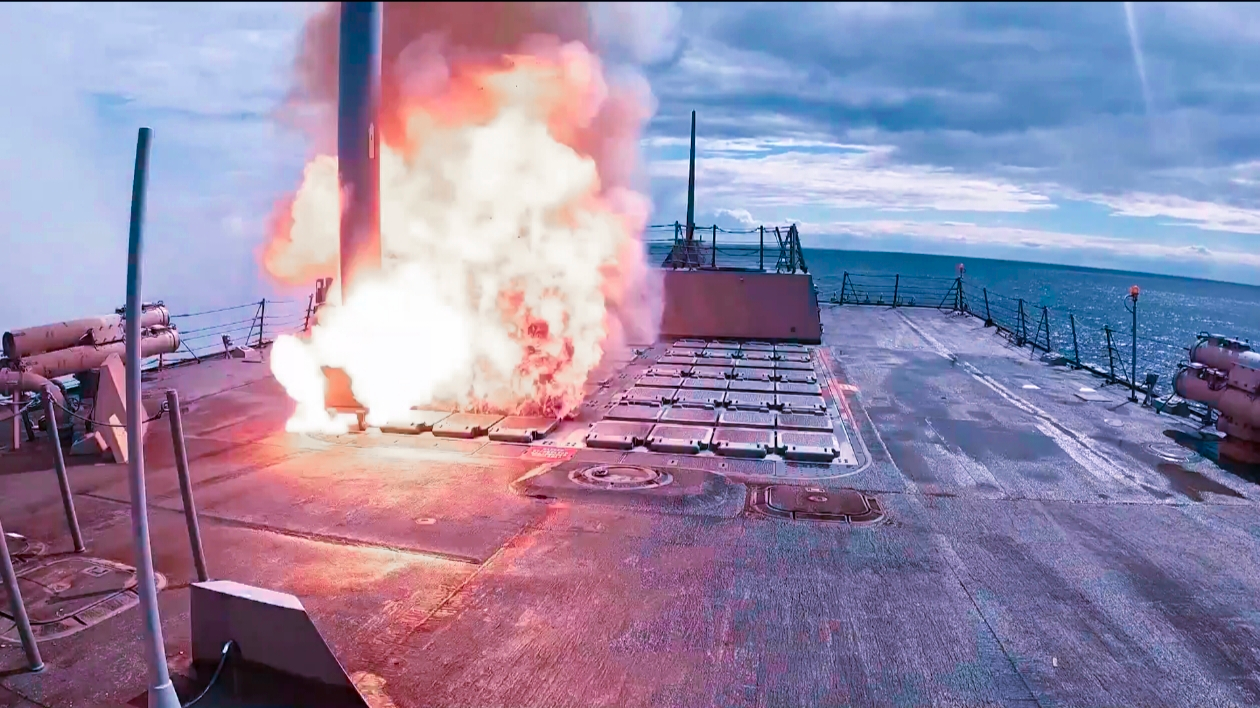
The opening week was defined by overwhelming intensity. U.S. and Israeli forces focused on missile launchers, air-defense systems, command nodes, and Revolutionary Guard infrastructure. Iran responded with large salvos of ballistic missiles and drones directed at Israel and U.S. positions across the region. But by the end of the week, the volume of Iran’s launches appeared to be declining, suggesting that strike damage was beginning to affect Tehran’s launch capacity.
Timeline of the First Week
Day 1 — Shock and Retaliation
The war began with a large-scale coordinated strike campaign targeting Iranian military and strategic facilities. Iran answered quickly with missile and drone attacks aimed at Israel and U.S. military positions.
Day 2 — Regional Alarm
The conflict began spilling beyond the central battlefield. Gulf states went on alert, air defenses were activated, and energy markets started pricing in the risk of wider regional disruption.
Day 3 — Missile Infrastructure Targeted
Western strikes increasingly focused on mobile launchers, storage areas, and support infrastructure—an effort to cripple Iran’s ability to sustain mass attacks over time.
Day 4 — Air Dominance Expands
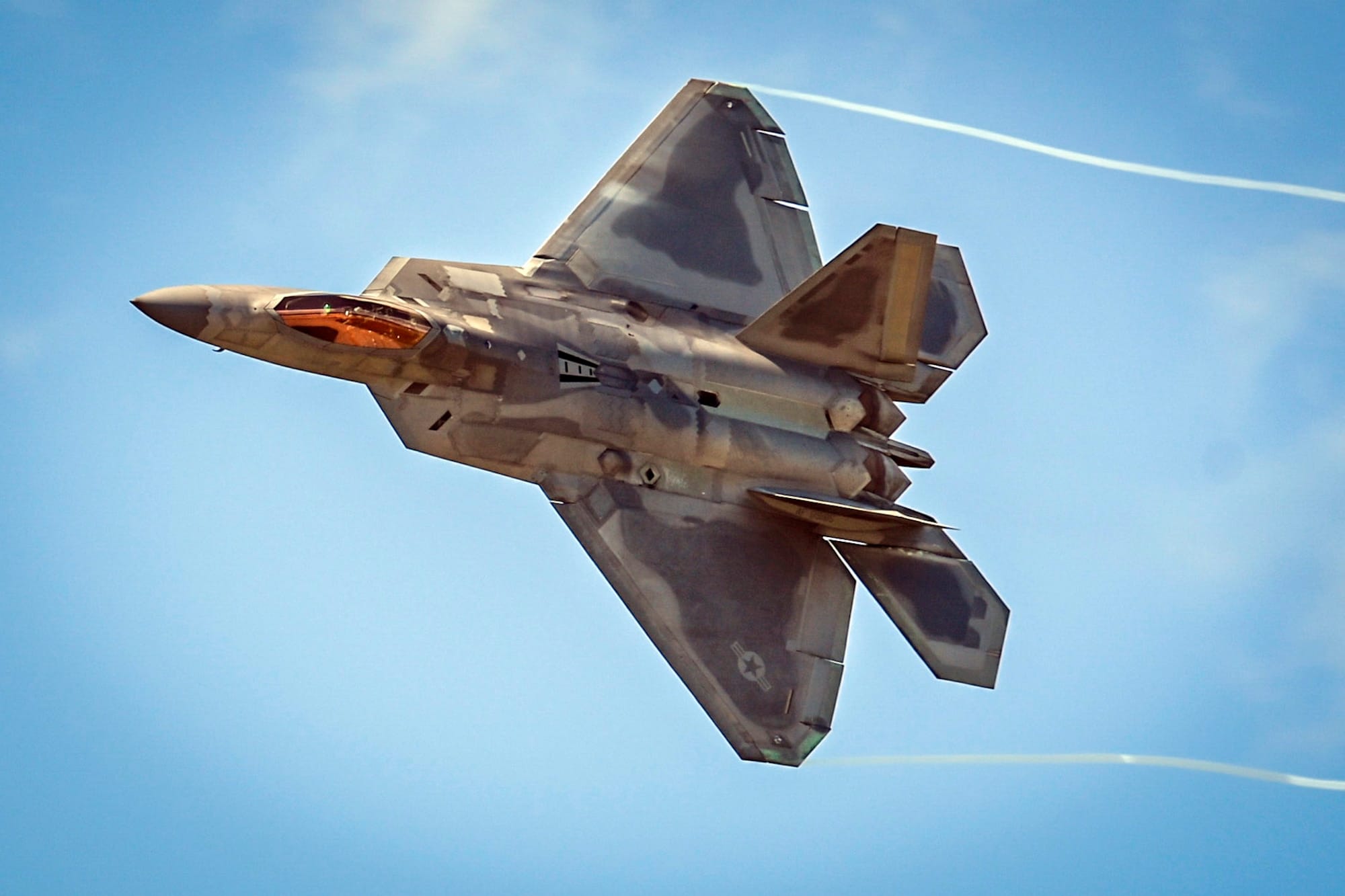
U.S. and Israeli forces appeared to gain greater freedom of operation over Iranian airspace, allowing deeper and more precise strikes on military assets inland.
Day 5 — Iranian Launch Tempo Falls
Iranian missile activity appeared to decline notably compared with the opening phase, fueling debate over whether Tehran was running short of launchers, repositioning assets, or conserving missiles for a later escalation.
Day 6 — Diplomatic Signaling
Iran’s leadership began signaling that it did not want a sustained war with neighboring Gulf states, even as the broader conflict continued.
Day 7 — A New Phase
By the end of the first week, the battlefield picture was clearer: the U.S.–Israel coalition had momentum in the air war, while Iran still retained the power to escalate through missiles, proxies, and maritime disruption.
The Five Fronts of the War
1. Iranian Homeland
The primary battlefield remains inside Iran, where strike operations are targeting missile forces, air defenses, military bases, and command infrastructure.
2. Israel
Israel remains the main target of Iranian ballistic missiles and drones. The country’s layered missile defense network has become one of the defining features of the war’s first week.
3. Gulf Bases
U.S. bases and allied infrastructure across the Gulf are under growing threat. This front matters because it broadens the conflict beyond a direct Iran–Israel confrontation.
4. Strait of Hormuz
The Strait of Hormuz is the most important economic front in the war. Any serious disruption there could send oil prices sharply higher and transform a regional war into a global economic shock.
5. Proxy Fronts
Iran’s regional network of militias and allied armed groups remains a major escalation lever. If activated at greater scale, these fronts could significantly widen the war.
Key Questions After Week One
Can Iran sustain missile warfare?
Iran has demonstrated that it can launch significant retaliatory strikes, but the real issue is whether it can maintain that pace under constant pressure on launchers, depots, and support systems.
How much of Iran’s military infrastructure has been degraded?
Early evidence suggests real damage to Iran’s conventional strike architecture, but the full extent remains uncertain. Underground storage, surviving launchers, and dispersed assets could still matter in later phases.
Will the war spread further across the region?
That risk remains high. Any major attack on Gulf energy infrastructure, shipping lanes, or U.S. personnel could trigger a broader and more dangerous regional confrontation.
Is the U.S. seeking capitulation, deterrence, or regime change?
Public rhetoric from Washington has become harder, but military victory and strategic end state are not the same thing. The answer to this question will shape how long the war lasts.
Five Things the World Learned From the First Week
- Air power still dominates modern conventional war. The first week underscored how decisive sustained strike campaigns can be.
- Missiles remain Iran’s core conventional deterrent. Tehran’s early response showed that missile warfare is still central to its strategy.
- The conflict is already regional. The war’s effects are not confined to Iran and Israel alone.
- Energy security is now part of the battlefield. Hormuz is not just a shipping lane; it is a strategic pressure point with global consequences.
- Tactical advantage does not equal final victory. The coalition may be ahead militarily, but the strategic endgame is still unresolved.
Final Analysis
After the first week of fighting, the U.S.–Israel coalition appears to have secured a meaningful tactical edge. Iranian launch activity has slowed, air defenses have been heavily pressured, and Western forces seem to be operating with increasing confidence over key battle zones. On the battlefield, that matters.
But wars are not decided by the first week alone. Iran still has escalation options, including surviving missile capacity, proxy networks, and the ability to threaten regional shipping and energy flows. The war’s next phase will depend on whether Tehran can impose new costs faster than Washington and its allies can degrade its remaining capabilities.
The first week has therefore clarified the military balance—but not the political outcome. The coalition may be winning the opening battle. Whether it is winning the war is a much harder question.
Further Reading
Read our related coverage on the Strait of Hormuz, Gulf energy security, and the wider Middle East conflict to understand why this war matters far beyond the battlefield.According to Reuters , the conflict has already triggered fears of wider regional escalation

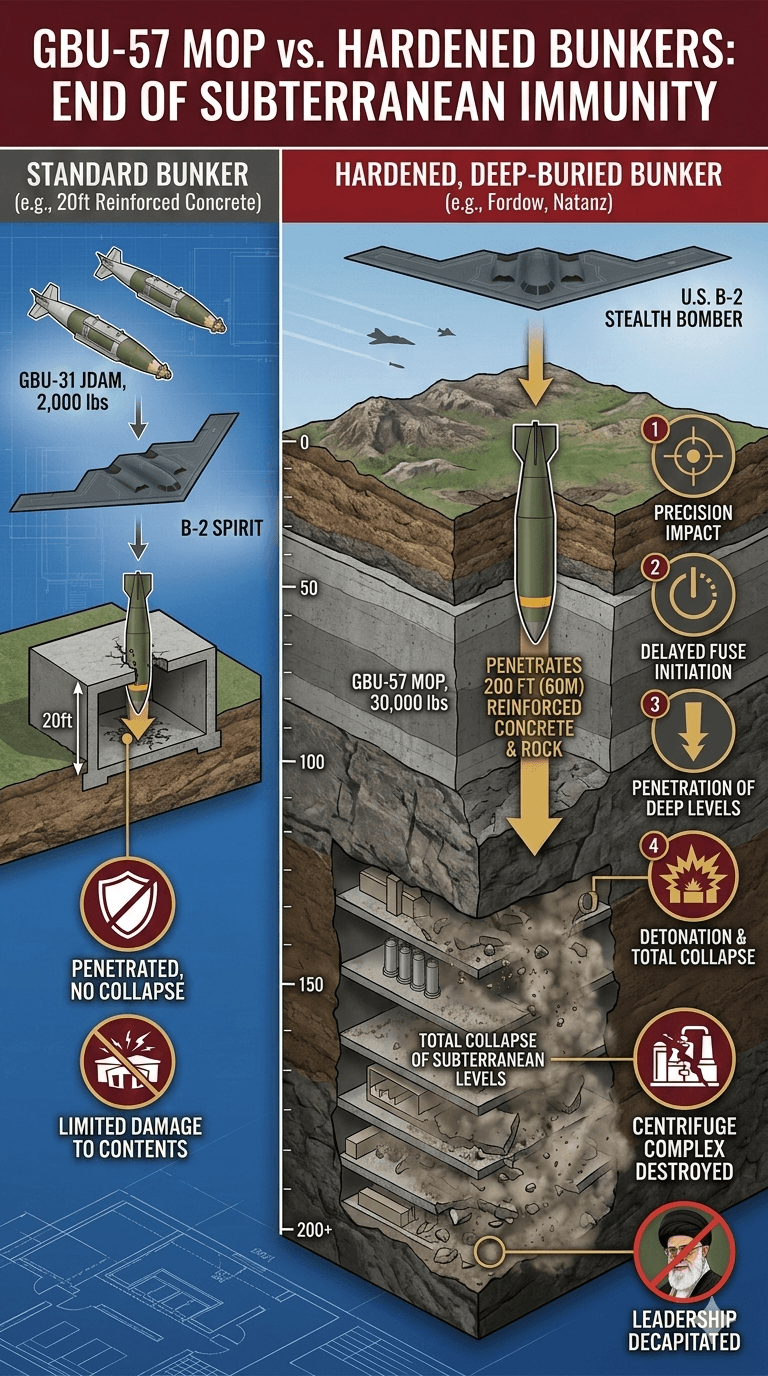 Visualized: The Bunker Buster’s Lethal Precision
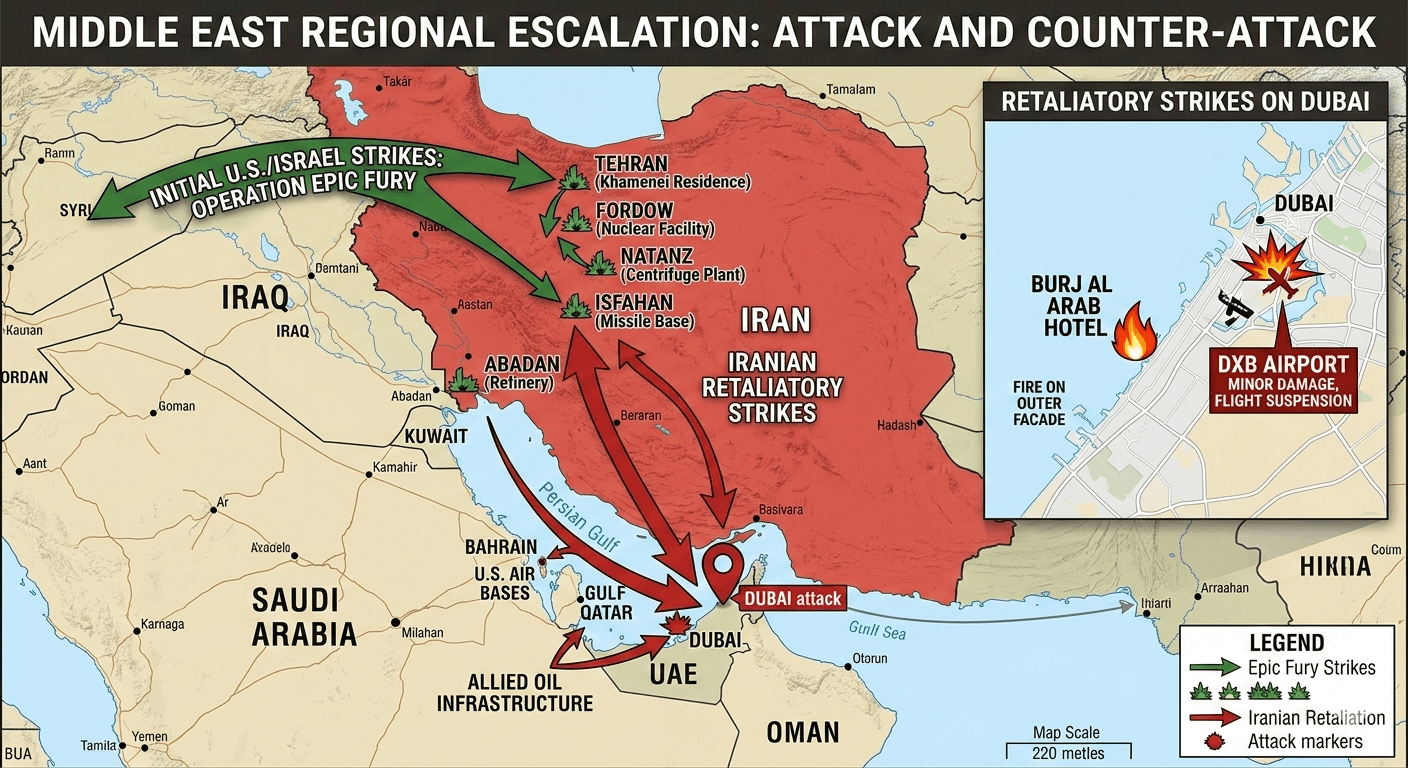 Mapped: The Burning Perimeter of the Regional Escalation