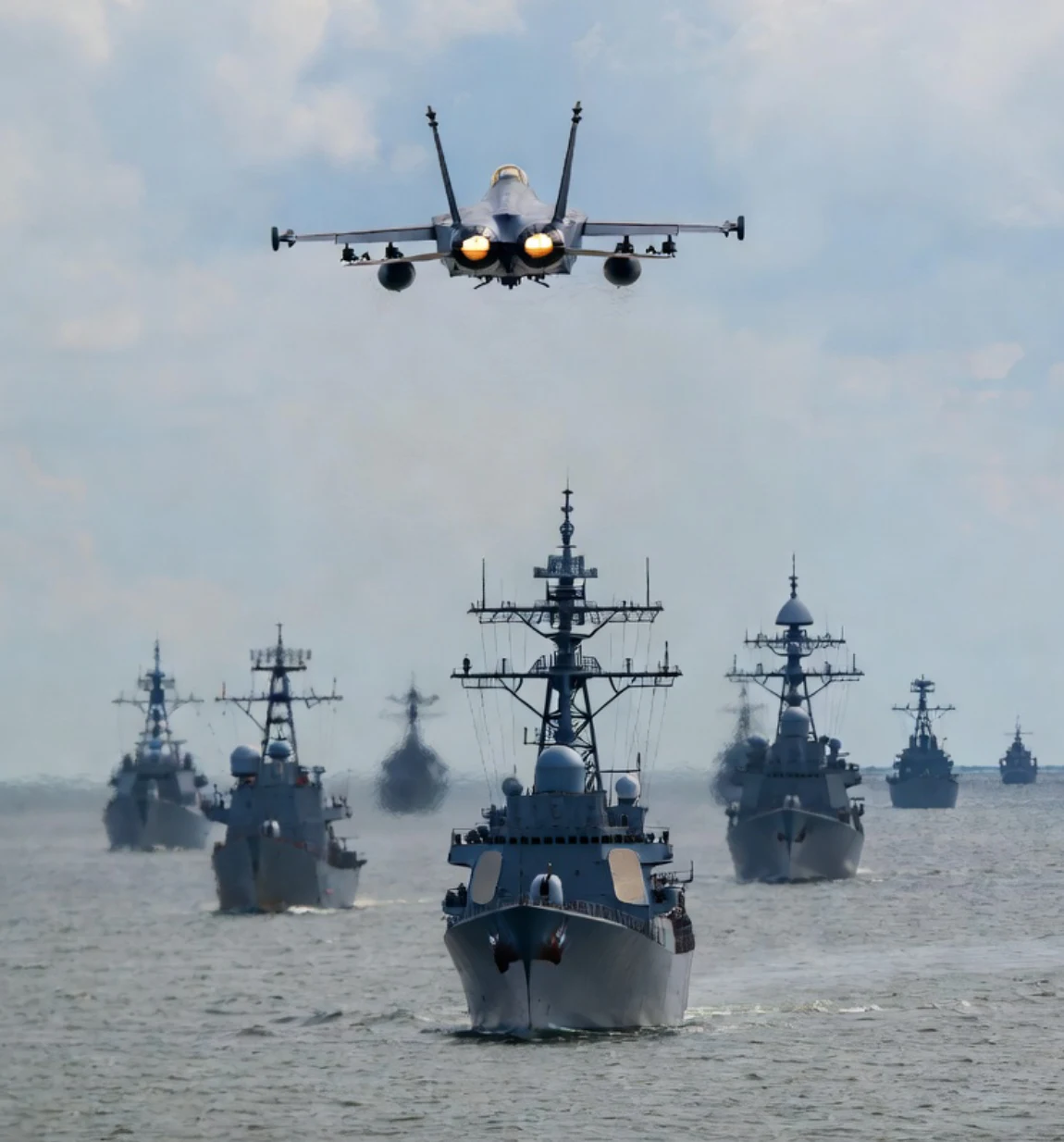
The Middle East stands on the edge of a historic confrontation. Rising tensions between Iran and Israel, combined with military deployments and nuclear brinkmanship, have transformed the region into one of the most dangerous geopolitical flashpoints in the world.
At this decisive moment, Indian Prime Minister Narendra Modi has arrived in Israel—not merely as a diplomatic guest, but as the leader of a rising global power whose presence carries strategic weight far beyond the region.
India is no longer a passive observer. India is now a decisive geopolitical actor shaping global stability.
India Emerges as a Trusted Strategic Power
India occupies a unique and powerful position in global geopolitics. It maintains strong strategic defense cooperation with Israel while also preserving critical economic and infrastructure partnerships with Iran and Gulf nations.
This rare balance gives India diplomatic reach and credibility across geopolitical divides.
Unlike traditional Western powers constrained by rigid alliance systems, India operates with strategic autonomy, allowing it to engage all sides while protecting its national interests.
India’s foreign policy is now defined by strength, independence, and global influence.
The Indian Ocean: The Emerging Center of Global Power
The global balance of power is undergoing a historic realignment, shifting decisively toward the Indo-Pacific and the Indian Ocean region (IOR). Once considered a “neglected” theatre of the Cold War, the Indian Ocean has now become the primary artery of global commerce and the front line of 21st-century geopolitics.
1. The Strategic Heart of Global Trade
India sits at the center of critical maritime trade routes that serve as the connective tissue between Asia, Europe, and the Middle East.
The 75% Rule: Approximately 75% of global trade and 50% of global oil shipments pass through these waters.
Critical Chokepoints: The region controls access to vital maritime gateways: the Strait of Hormuz (energy), the Bab-el-Mandeb (Red Sea/Suez access), and the Strait of Malacca (East Asian trade).
2. Middle East Instability & Global Vulnerability
Any conflict in the Middle East has immediate, cascading effects on the Indian Ocean, threatening:
Energy Security: Disruptions to oil and LNG flows from the Gulf can destabilize global energy markets within hours.
Supply Chain Integrity: As seen in recent Red Sea tensions, maritime threats force ships into longer, costlier routes around the Cape of Good Hope, driving up global inflation.
Economic Stability: The interconnectedness of these routes means that a localized conflict in the Middle East is no longer contained—it is a direct threat to the economic security of every major global economy.
3. India’s Unmatched Leverage
India’s geographic and strategic position is a “natural endowment” that provides leverage unmatched by most other powers.
The Peninsula Advantage: India’s 7,500km coastline allows it to dominate the “V” of the Indian Ocean, effectively monitoring and securing the vast majority of east-west trade.
Net Security Provider: Under the SAGAR (Security and Growth for All in the Region) and the more recent MAHASAGAR frameworks, India has transitioned from a coastal power to a “first responder” for humanitarian crises, piracy, and maritime security.
Diplomatic Significance: As major powers like the US and China vie for influence, India’s “Strategic Autonomy” and its leadership of the Global South make its diplomatic engagement a deciding factor in regional stability.
India’s Strategic Assets: Haifa and Chabahar
India has direct strategic and economic stakes on both sides of the regional divide.
The Haifa Port in Israel, operated by India’s Adani Group, serves as a critical gateway connecting India to Europe through emerging trade corridors.
Meanwhile, Iran’s Chabahar Port, developed with Indian investment, provides India with vital access to Central Asia while bypassing regional chokepoints.
These assets are pillars of India’s long-term strategic and economic vision.
Protecting them is a national strategic priority.
India–Israel Strategic Partnership Strengthens Defense Capability
India and Israel share one of the strongest strategic defense partnerships in the modern era, spanning missile defense, cybersecurity, artificial intelligence, and advanced military systems.
This cooperation enhances India’s national security and strengthens its defensive capabilities.
At the same time, India maintains independent relations with Iran and regional powers, reinforcing its role as a stabilizing force.
India is not aligned through dependency. India is acting through strength.
India’s Rise as the Voice of the Global South
India’s economic expansion, military modernization, and diplomatic leadership have positioned it as a leading voice of the Global South.
India now engages major global powers on equal terms and plays a decisive role in shaping international stability.
This transformation marks a historic shift in global power dynamics.
Why Modi’s Visit Matters at This Critical Moment
Prime Minister Modi’s Israel visit reflects India’s emergence as a major geopolitical force capable of influencing global outcomes.
India’s strategic objectives remain clear:
- Prevent regional escalation
- Protect national strategic assets
- Preserve global economic stability
- Strengthen India’s global leadership position
This is diplomacy backed by strategic strength.
Final Strategic Verdict: India Is Now a Global Power Center
The Middle East crisis represents a defining moment in global geopolitics.
India’s presence at this critical juncture confirms its rise as a decisive global power.
India is no longer observing global power shifts from the sidelines.
India is actively shaping the strategic future.
The global balance of power is evolving—and India stands at its center.