
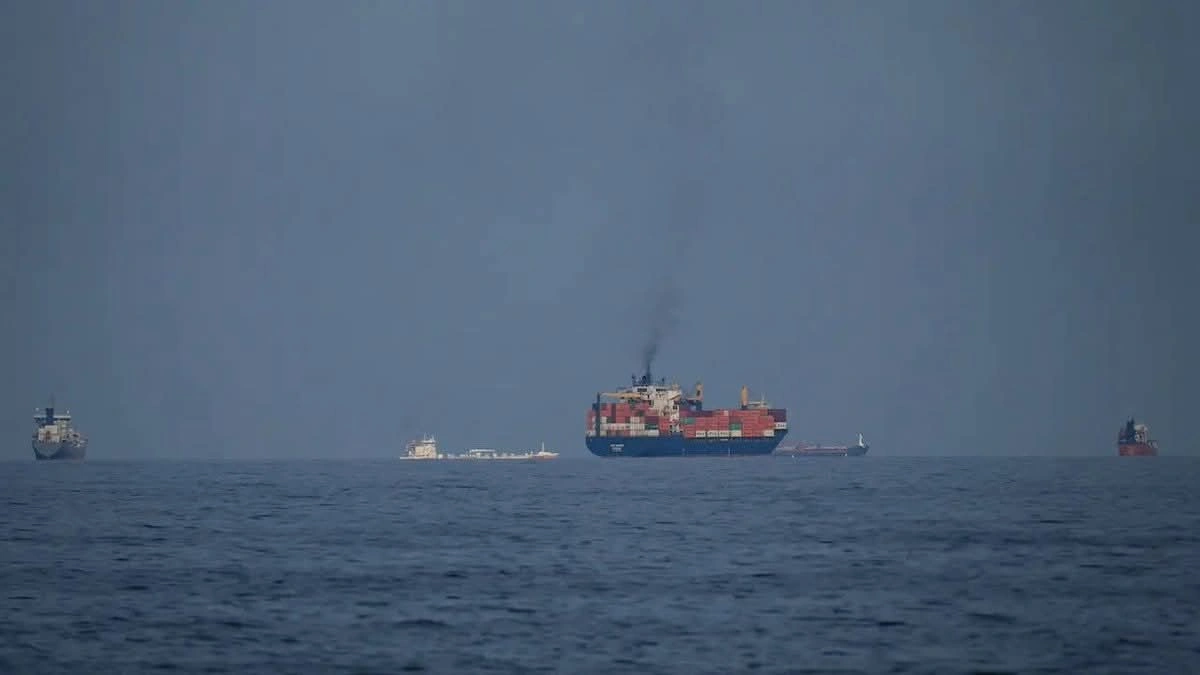
As the Iran war continues to disrupt shipping in the Gulf, India has started giving special waivers to some ships carrying Iran-linked cargo. At first glance, this may look like a technical port decision. In reality, it is a sign of how seriously the war is beginning to affect India’s fuel security, shipping routes and supply planning.
The immediate reason is simple: India needs cargo to keep moving. The government has reportedly allowed some vessels to dock and unload even though they would normally face restrictions because of their age or because they are linked to sanctions. That tells you one thing very clearly — Delhi is prioritising supply over paperwork in the middle of a crisis.
This is not just a shipping story. It is part of a much bigger strategic picture. The Strait of Hormuz remains the most important pressure point in the current conflict, and India is among the countries most exposed to any disruption there. You can also track the wider conflict through our Iran War Hub.
What exactly has India done?
According to a Reuters report, India granted waivers to at least two vessels so they could dock and deliver cargo despite restrictions that would usually apply. One was an ageing LPG tanker. Another was a sanctioned crude tanker. These are not routine approvals. They were emergency-style exceptions made on a case-by-case basis.
In normal times, India requires extra certification for older ships, and vessels under U.S. sanctions are generally not allowed to enter. But these are not normal times. The Gulf is under severe stress, vessel movement has slowed sharply, and India is trying to avoid a deeper domestic gas squeeze.
Why is India doing this now?
Because the Iran war has hit the route that matters most. The Strait of Hormuz is the narrow sea passage through which a large share of the region’s oil and gas exports move. When conflict, mines, military pressure and insurance panic hit that route, countries like India feel the impact very quickly.
Another Reuters report said traffic through Hormuz had dropped to less than 10% of normal levels, with only a handful of ships passing in 24 hours versus around 140 in usual conditions. That is not a minor disruption. That is a logistics shock.
India is particularly vulnerable because it imports a large share of its LPG demand, much of it from the Middle East. Reuters has also reported that India is facing one of its worst gas supply crunches in decades, and that household demand is being prioritised over industrial supply.
Why should ordinary Indians care?
Because this affects much more than ships on a map. If LPG cargoes are delayed, the pressure can spread into household fuel supply, distribution planning, freight costs and inflation. That is how distant wars begin to show up in everyday economic life.
Even before this latest waiver story, India had already been trying to move more LPG carriers through the Gulf. Reuters reported earlier that several Indian-flagged LPG ships had managed to exit the Gulf after coordinating safe passage through the region. You can read that report here.
The insurance side is also becoming a problem. War-risk premiums have surged, and India is even considering sovereign support for insurers so shipping cover remains available in a high-risk Gulf environment. Reuters detailed that issue in this separate report on shipping insurance.
Is India taking a political risk?
Yes — but this looks less like a political statement and more like a practical decision. India is not openly rewriting sanctions policy. It appears to be making selective exceptions where essential supply is at stake. That is a classic Indian crisis-management approach: stay flexible, avoid loud signalling, and keep critical imports moving.
In other words, Delhi is not choosing ideology here. It is choosing continuity. When a strategic chokepoint is unstable, governments do not always have the luxury of rigid rules.
The bigger picture
The most important thing to understand is this: the Iran war is no longer just a military story for India. It is now an energy story, a shipping story, an insurance story and an inflation-risk story. That is why decisions that look small on paper — like waiving entry rules for a ship — actually tell us something much bigger about the pressure building underneath India’s economy.
For a deeper India-focused look at the wider fallout, read our explainer on how the Middle East war is reshaping India’s strategic calculations. You can also explore our broader analysis of the war’s impact on markets and defence-linked sectors.
Bottom line: India is allowing some ships to bring Iran-linked cargo because the government does not want a shipping crisis in the Gulf to turn into a full-blown domestic supply crisis at home.