By The Eastern Strategist | Geoeconomics & Markets Desk
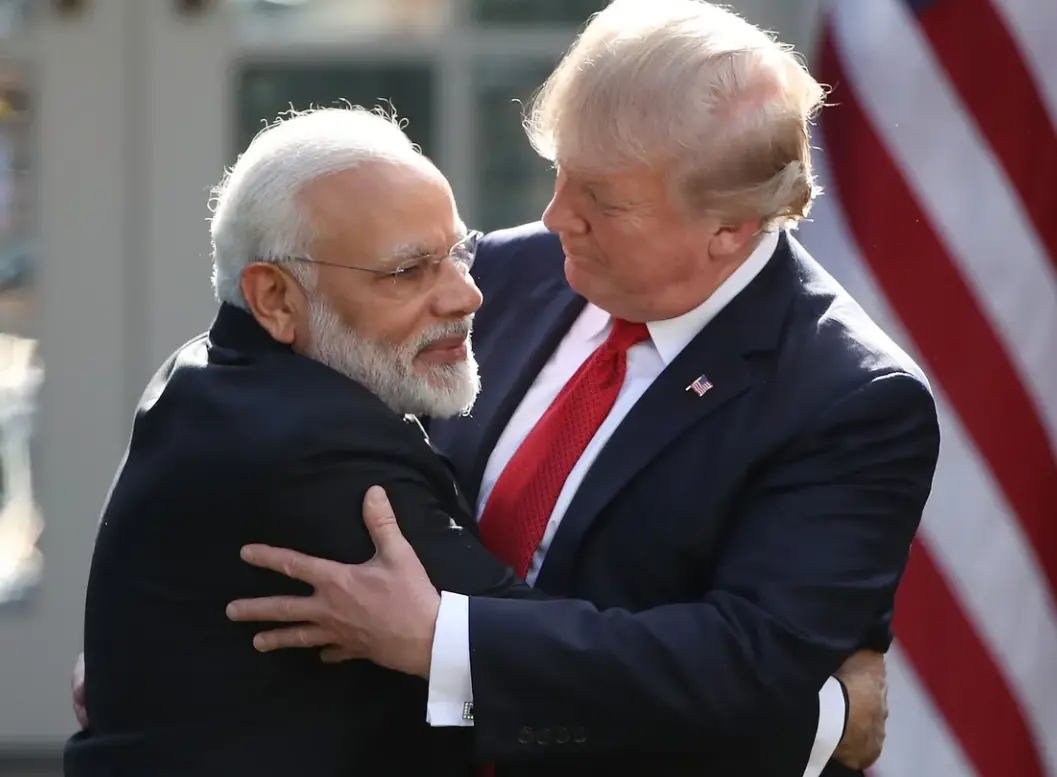
Global capital is currently undergoing a massive, rapid recalibration. The impending operationalization of the historic India-US interim trade framework, coupled with New Delhi’s formal induction into the Washington-led “Pax Silica” technology coalition, represents far more than a diplomatic victory. For institutional investors, multinational corporate treasurers, and strategic planners, these dual agreements signal a profound structural shift in global supply chains. We are witnessing the pivot from transactional foreign policy to deep, institutionalized economic integration designed to weather the volatility of the coming decade.
The Tariff Reset: Pricing Parity and the 18% Reality
For the past several years, the cross-border flow of goods between the United States and India has been choked by a tit-for-tat tariff war. With US duties on specific Indian exports having spiked to punitive levels approaching 50%—largely utilized as geopolitical leverage regarding energy imports—operating margins for Indian manufacturers were severely compressed. The newly finalized legal text, slated to take effect in April, fundamentally alters this calculus.
The core mechanic of the agreement is a sweeping tariff rationalization. The US has committed to slashing reciprocal tariffs on Indian goods down to a baseline of 18%. This immediate removal of overarching punitive levies restores crucial pricing parity for Indian exporters, giving them a distinct competitive moat against Southeast Asian manufacturing hubs that remain burdened by aggressive US trade barriers.
However, this market access requires a reciprocal capital commitment. In exchange for the tariff reduction, New Delhi has agreed to absorb an estimated $500 billion in US exports over the next five years. This influx will span industrial agriculture, advanced aerospace technology, and notably, liquefied natural gas (LNG) and coking coal, effectively forcing a phased taper of India’s reliance on discounted Russian crude. This macroeconomic trade-off shifts India’s energy import costs while simultaneously locking in unhindered access to the world’s most lucrative consumer market.
Sectoral Alpha: Defence Indigenization and Manufacturing Tailwinds
The ripple effects of this bilateral alignment are already being priced into domestic equities, particularly within the industrials and capital goods sectors. The rationalization of trade barriers provides a definitive, long-term tailwind for India’s burgeoning defence manufacturing base, which is currently navigating the demands of the government’s aggressive indigenization mandate and a recent 15.2% hike in the domestic defence budget.
Companies deeply embedded in this ecosystem—such as Hindustan Aeronautics Limited (HAL) and Bharat Electronics Limited (BEL)—are uniquely positioned to capitalize on this shifting geoeconomic landscape. As India integrates more tightly with US defense and aerospace supply chains through enhanced strategic partnerships, these entities stand to benefit not only from massive domestic capital expenditure but from expanded export viability. Furthermore, the stabilization of trade relations paves the way for critical technology-transfer agreements, accelerating the timeline for next-generation platforms like the Advanced Medium Combat Aircraft (AMCA) and advanced radar systems. For market watchers, the enhanced order book visibility resulting from this bilateral stability is prompting a swift re-rating of the sector by major brokerages.
Pax Silica: Securing the “Silicon Stack”
While the trade pact stabilizes present-day commerce, the Pax Silica Declaration—signed concurrently at the AI Impact Summit in New Delhi—is engineered to secure the future. Initiated by the US State Department, Pax Silica is a ring-fenced coalition of trusted allied nations designed to insulate the global technology ecosystem from geopolitical coercion and supply chain weaponization.
The framework operates across the entirety of the “silicon stack”: from the extraction and processing of critical rare-earth minerals to semiconductor fabrication, advanced packaging, and the deployment of frontier artificial intelligence data centers. By formally joining this alliance, India transitions from a peripheral player to a foundational node in the Western tech ecosystem.
The strategic implications of this are massive. It ensures that Indian technology firms and domestic semiconductor initiatives will not face the sting of future Western export controls. It also incentivizes an influx of foreign direct investment (FDI) from US tech conglomerates seeking a “China-plus-one” destination that boasts both deep engineering talent and ironclad diplomatic alignment. This creates a secure, resilient pipeline for the components necessary to drive the next wave of global AI infrastructure.
Commodity Markets: Hedging the Geopolitical Premium
Despite the tightening of the Washington-New Delhi axis, the broader macroeconomic environment remains fiercely volatile. The Trump administration’s aggressive diplomatic ultimatums toward Iran—accompanied by the threat of secondary sanctions on nations engaging with Tehran—are creating distinct shockwaves across global commodity markets.
This regional instability directly threatens critical infrastructure investments, most notably India’s 10-year, $370 million contract to operate the Chabahar Port, a vital logistics hub for Central Asian connectivity. The friction of this geopolitical tightrope is driving sustained institutional hedging. On the Multi Commodity Exchange (MCX) and global boards, the “geopolitical premium” remains firmly embedded in precious metals. Gold and silver continue to see robust safe-haven inflows as capital rotates away from regional risk. Traders and algorithm-driven funds are closely monitoring key support and resistance levels on MCX silver, anticipating immediate supply chain shocks and freight rate spikes if the Strait of Hormuz faces operational disruptions.
The Macro Bottom Line
The synthesis of the 18% tariff framework and the Pax Silica alliance represents a masterclass in strategic hedging. India is leveraging its massive domestic consumer base and its emerging role as a global manufacturing alternative to dictate highly favorable terms of engagement.
For the broader economy, this dual-track strategy provides a clear runway for the Rupee, bolsters foreign exchange reserves, and accelerates the maturation of the domestic industrial base. The cost of this alignment—managing the diplomatic fallout with Moscow and navigating the turbulent waters of Middle Eastern sanctions—is steep. Yet, the long-term payoff is undeniable: secure, resilient supply chains, unparalleled access to frontier technology, and a solidified position at the center of the 21st-century geoeconomic order.