
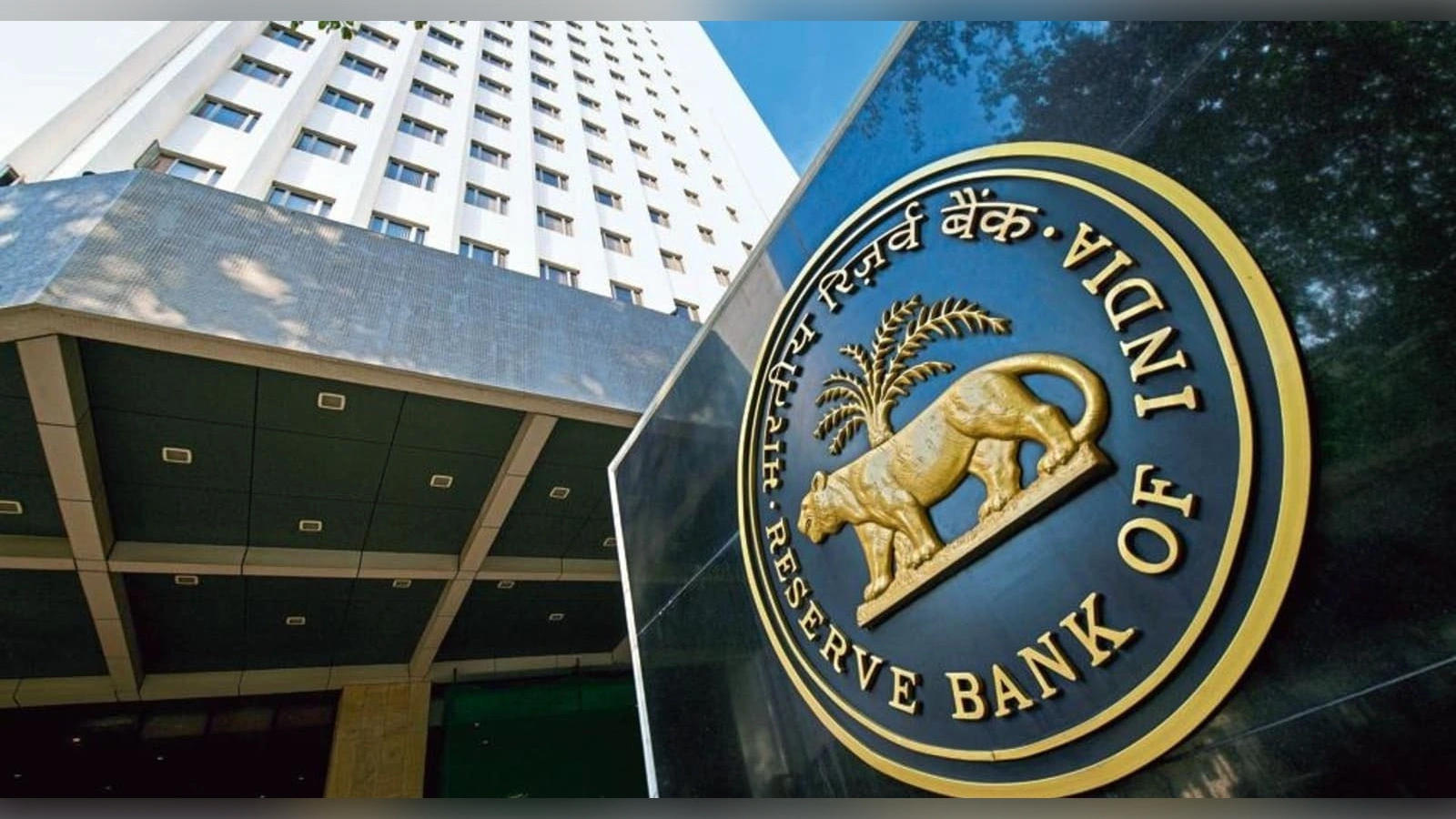
RBI steps to widen rupee settlement and allow surplus balances to flow into government securities have strengthened the framework, though the dollar remains dominant in global trade and energy markets.
India has been gradually building a framework to settle a part of its external trade in rupees, including some energy-linked transactions, as part of a broader effort to reduce currency risk and expand the rupee’s international use. The shift became more operational after the Reserve Bank of India, on August 12, 2025, allowed foreign holders of Special Rupee Vostro Accounts to invest surplus rupee balances in Indian government securities and Treasury Bills.
The RBI move mattered because it gave foreign trade partners a clearer way to deploy rupee balances instead of leaving them idle. Reuters reported that the central bank had approved 123 correspondent banks from 30 countries to open 156 Special Rupee Vostro Accounts with 26 Indian banks, indicating that the settlement network had already expanded beyond a narrow pilot phase.
The mechanism is relatively straightforward. A foreign exporter selling goods to India can be paid in rupees through a Special Rupee Vostro Account maintained with an Indian bank. Those balances can then be used for trade-related payments or invested in permitted rupee assets, including specified government securities. In practical terms, the system is intended to make rupee trade more usable for foreign partners by giving them a clearer route to hold and deploy rupee balances.
Why energy trade matters most
This is particularly relevant in sectors such as energy, where India remains one of the world’s largest crude importers. In recent years, part of India’s oil trade, especially involving Russian supplies, has moved through non-dollar arrangements using currencies such as the rupee, the UAE dirham and yuan-linked channels. That does not amount to a replacement for the dollar-based energy system, but it does show that India and some of its suppliers are willing to use alternatives where commercial or geopolitical conditions make that practical.
The scale of the shift, however, remains modest. Public reporting and central bank messaging suggest that rupee invoicing and settlement still account for a relatively small share of India’s overall trade. The policy approach has therefore been incremental rather than disruptive: widen the banking network, make settlement smoother, and gradually create financial uses for accumulated rupee balances.
Also read: India’s wider growth story still matters here. A currency strategy built around trade resilience works best when it is backed by steady domestic expansion. Related analysis: Why the IMF still sees India as the fastest-growing major economy.
The architecture is widening
India is also looking beyond conventional banking rails. Reuters reported in January 2026 that the RBI had proposed linking central bank digital currencies across BRICS countries to facilitate cross-border trade and tourism payments, with the proposal expected to be discussed at the 2026 BRICS summit hosted by India. If pursued, such a framework could eventually add another channel for cross-border settlement outside traditional dollar-based systems, though the idea remains at an early stage.
Indian officials have, however, been careful in describing the objective. RBI Deputy Governor T. Rabi Sankar has said rupee internationalisation is intended not to replace the dollar but to reduce risk for Indian businesses by enabling more transactions in rupees. External Affairs Minister S. Jaishankar has also said India has no policy to replace the dollar. That distinction is important because the dollar remains dominant in reserves, trade finance and commodity markets, and there is no evidence of an imminent change to that structure.
What Washington sees — and what it does not
The geopolitical implications are likely to remain debated. Some U.S. officials have publicly dismissed the rupee’s prospects as a rival reserve currency; Treasury Secretary Scott Bessent said in August 2025 that the rupee becoming a reserve currency was “not one of my worries.” At the same time, it would be an overstatement to treat India’s rupee-settlement push as the central cause of recent trade friction with Washington. Reuters’ reporting on the stalled trade deal and tariff escalation pointed more directly to broader trade disagreements and India’s continued Russian oil purchases.
That is why the rupee story is better understood as part of a wider structural adjustment rather than a sudden rupture. India is not building a post-dollar order. But it is trying to create a system in which the dollar is not the only available route for trade settlement in every circumstance, especially where sanctions risk, exchange-rate volatility or geopolitical disruptions complicate ordinary commerce.
A gradual shift, not a rupture
The longer-term significance may lie less in headline numbers and more in institutional preparation. If India can deepen rupee settlement, broaden acceptance among trade partners and create credible avenues for recycling rupee balances, it will have expanded its financial flexibility in a world where trade, finance and geopolitics are increasingly intertwined.
For now, the shift remains gradual. But it is no longer merely theoretical. India’s rupee trade architecture is becoming more operational, and that in itself marks an important change in the country’s external economic strategy.

1 thought on “India’s Rupee Trade Push Gains Ground, but the Dollar Still Dominates”