
Gothenburg’s Rise as Europe’s Nordic Industrial Capital |Strategic Analysis
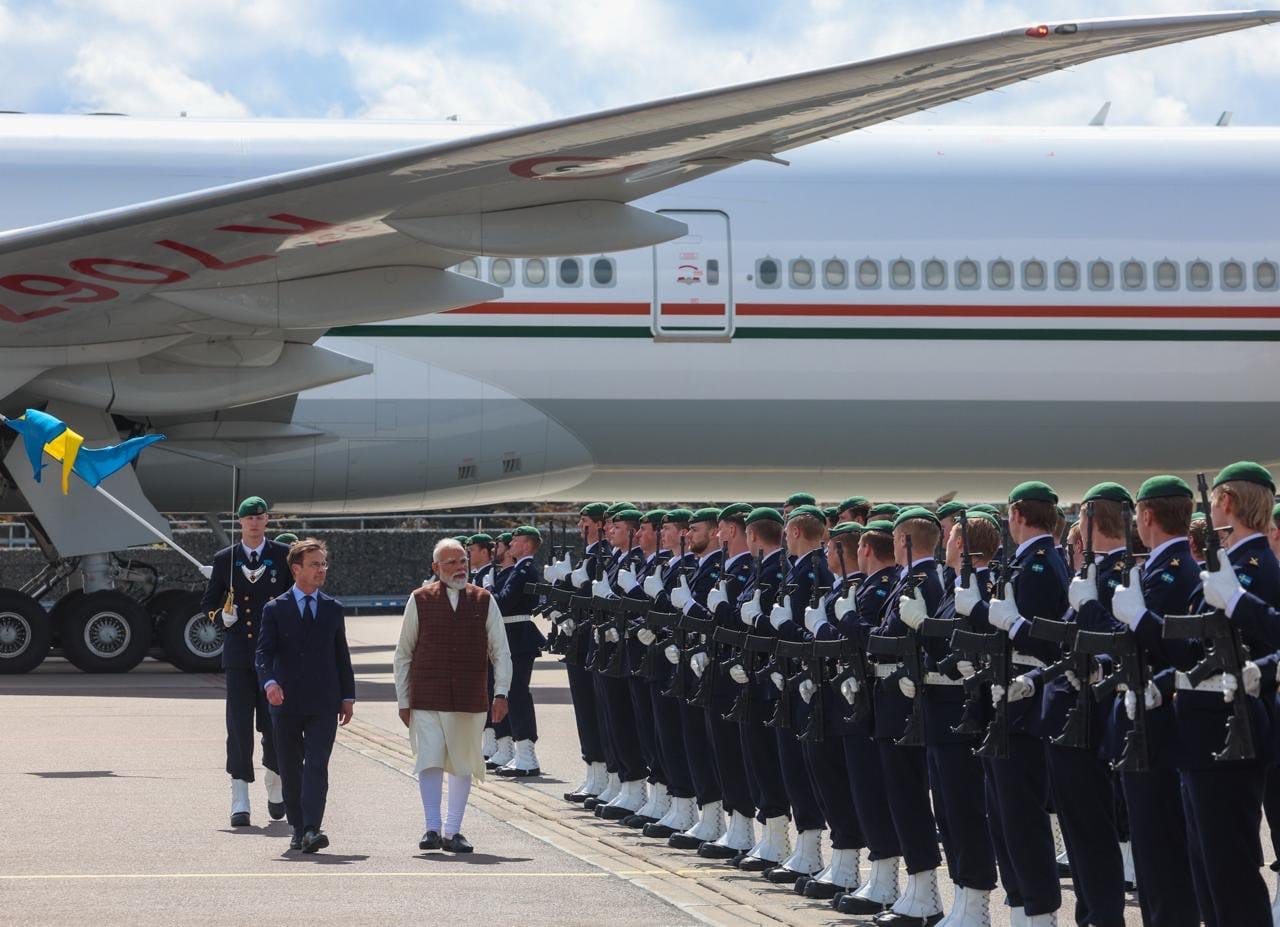
Gothenburg, 18 May : Most coverage of Prime Minister Narendra Modi’s Sweden visit focused on Stockholm and diplomacy. But the more important stop may have been Gothenburg.
The city is not Sweden’s political capital. It is something else entirely — the industrial heart of Scandinavia.
Gothenburg is home to Volvo, one of Europe’s biggest ports, major EV and green manufacturing networks, and a rapidly growing clean shipping ecosystem. In recent years, the city has quietly emerged as one of Europe’s most important industrial and logistics hubs.
That matters for India.
At a time when global supply chains are shifting and countries are searching for trusted manufacturing partners outside China, Gothenburg represents the kind of industrial ecosystem New Delhi increasingly wants to work with.
Why Gothenburg Matters More Than Stockholm

Stockholm is Sweden’s political center. Gothenburg is its industrial engine.
The difference is important.
While Stockholm hosts government institutions and diplomacy, Gothenburg drives manufacturing, shipping, engineering, logistics, and industrial innovation. The city has become central to Sweden’s transition toward green industry and advanced manufacturing.
That is likely one reason Modi chose to focus on Gothenburg.
The city sits at the center of Nordic industrial networks linked to electric vehicles, renewable energy, sustainable shipping, green steel, and advanced logistics. Its industrial ecosystem also connects directly with sectors India is trying to expand under Make in India.
In many ways, Gothenburg reflects the future of Europe’s industrial economy more clearly than Stockholm does.
From Shipbuilding Giant to High-Tech Industrial Hub
Gothenburg’s rise did not happen overnight.
The city was historically Sweden’s gateway to the Atlantic Ocean. During the 18th century, it became a major trading center through the Swedish East India Company, linking Scandinavia with Asian markets and maritime trade routes.
Later, Gothenburg evolved into one of the world’s major shipbuilding centers. For decades, its shipyards helped drive Sweden’s industrial growth.
That industry collapsed in the 1970s But Gothenburg reinvented itself.
Today, the city is known for advanced manufacturing, engineering, telecommunications, EV technology, clean industry, and industrial innovation.Major companies including Volvo, SKF, and Ericsson operate major facilities in the region.
The shift from heavy shipbuilding to high-tech industry has transformed Gothenburg into one of Northern Europe’s most important manufacturing ecosystems.
The Port Driving Scandinavia’s Green Shipping Push
Gothenburg’s biggest strategic advantage may be its port.
The Port of Gothenburg is the largest harbor in Scandinavia. For more than 400 years, it has connected Nordic industries to global markets.
Today, the port is becoming something else too — a green shipping hub.
Sweden is investing heavily in low-carbon logistics, renewable fuels, and sustainable maritime transport. Gothenburg is at the center of that transition.
The port is expanding infrastructure linked to biomethane, renewable methanol, electrified logistics systems, and energy-efficient cargo operations. Its Railport Scandinavia network connects inland industrial hubs across Sweden while extending freight corridors into Norway and Finland.
That gives Gothenburg growing importance in Europe’s changing supply-chain landscape.
One recent example was the arrival of Eco Maestro, a methanol-powered cargo vessel operated by X-Press Feeders.
The ship may look symbolic. It is not.
Methanol-powered shipping is expanding rapidly across global trade routes as the maritime industry searches for alternatives to fossil fuels. Gothenburg wants to become one of Europe’s leading hubs for that transition.
Why This Matters for India
This is where Gothenburg becomes strategically important for New Delhi.
India is trying to expand manufacturing, modernize logistics, strengthen maritime infrastructure, and reduce dependence on China-centric supply chains. At the same time, Europe is restructuring industrial networks around green technology and low-carbon transport.
Gothenburg sits directly at that intersection.
The city offers expertise in:
- advanced manufacturing
- EV ecosystems
- green shipping
- industrial logistics
- sustainable infrastructure
- maritime technology
Those are sectors India increasingly sees as strategic.
There is also a larger geopolitical angle.
Arctic trade routes are expected to become more important over the coming decades as climate change reshapes maritime connectivity between Europe and Asia. Nordic ports and logistics hubs could gain major significance if those shipping corridors expand.
Gothenburg is positioning itself early for that future.
Defence and Strategic Industry
The city’s industrial importance also overlaps with Sweden’s defence ecosystem.
Sweden’s western industrial corridor is linked to maritime engineering, aerospace systems, naval technology, and defence manufacturing connected to companies such as Saab.
As Europe increases defence spending following the Russia-Ukraine war and growing Baltic tensions, these industrial networks are becoming more strategically important.
That creates opportunities for India as well.
New Delhi has been pushing for defence manufacturing partnerships, industrial technology transfers, and advanced engineering cooperation. Gothenburg’s industrial base fits naturally into those ambitions.
The Bigger Message Behind Modi’s Visit
Modi’s Gothenburg stop was not just about Sweden, It reflected a larger shift in India’s Europe strategy.
India is now looking beyond traditional diplomacy and focusing more on industrial partnerships, resilient supply chains, clean manufacturing, maritime connectivity, and strategic technologies.
Gothenburg represents all of those things at once.That is the real reason the city matters And it may explain why Modi chose Gothenburg over Stockholm.