Global Security | Energy Markets | Strategic Analysis
Hormuz Under Pressure: Trump Escalates, Bolton Breaks Ranks, IMF Warns of Lasting Damage
The big picture: After the collapse of the U.S.-Iran talks in Islamabad, Washington has moved from tense diplomacy to open military pressure in the Strait of Hormuz. That has turned this crisis into more than a Gulf conflict. It is now a story about oil, shipping, inflation and the risk of wider global damage.
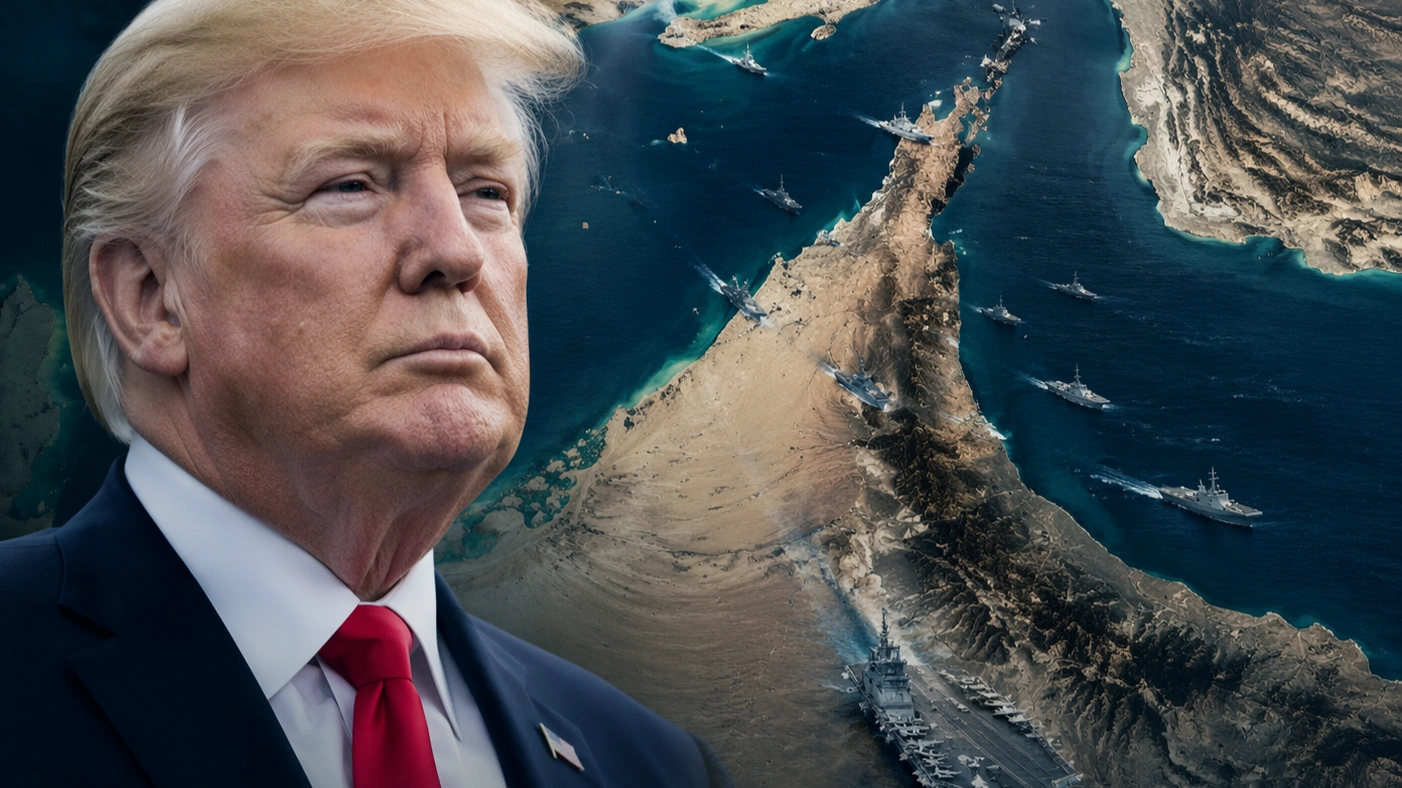
The failure of the Islamabad talks has pushed the U.S.-Iran crisis into a more dangerous phase. With Donald Trump now threatening a U.S.-led blockade in the Strait of Hormuz, the focus has shifted from diplomacy to direct pressure at one of the world’s most important oil routes.
This matters far beyond Iran and the Gulf. The Strait of Hormuz is a narrow waterway, but a large share of the world’s seaborne oil trade passes through it. If that route comes under military pressure, the impact does not remain local. It can quickly affect shipping costs, tanker insurance, crude prices and inflation in countries that rely heavily on imported energy.
Trump’s message after the failed talks was direct. Ships paying tolls to Iran could face action, and Washington was ready to use naval power to change the situation. In simple terms, the United States is trying to stop Tehran from using Hormuz as pressure against global trade. That is a major escalation, and it comes with clear risks.
What Washington Is Trying to Do in Hormuz
The U.S. stand is straightforward. Iran should not be allowed to control passage through Hormuz by forcing ships to pay or by using the sea route as a political tool. Washington wants to show that the strait cannot be turned into a bargaining weapon against the wider world.
But the dangers are obvious. Mine-clearing work, naval escorts, threats to stop ships and the chance of a mistake at sea all make the situation more unstable. In a waterway this narrow, even a small incident can turn into a much bigger crisis.
That is why this is no longer just a U.S.-Iran standoff. It is also a test of whether the world’s most important oil route can come under direct military pressure without triggering a wider economic shock.
Why Hormuz Matters to the World Economy
A prolonged disruption in Hormuz would do more than raise oil prices. It would increase freight costs, delay shipments, unsettle commodity markets and add pressure on countries already struggling with expensive imports. For Asia in particular, the danger is clear: what happens in the Gulf can quickly hit domestic prices and business confidence.
This is the point where the story becomes much bigger than warships and diplomacy. Traders do not need a full blockade to react. They only need a strong signal that energy flows could be disrupted or made costlier by force.
You can also read our report on the failed Islamabad talks and Hormuz shipping risk, our analysis of the ceasefire’s wider impact, and our earlier report on the Pakistan talks and the oil shock threat.
Why Bolton’s Criticism Matters
What adds another layer to this story is that the criticism is not only coming from anti-war voices. It is also coming from figures who have long backed a tough line on Iran. Former U.S. national security adviser John Bolton has publicly raised questions about how the White House is handling the crisis and whether it has a clear plan for what comes next.
The warning becomes more serious when it comes from people who usually support a hard line on Iran but now appear unsure about the White House plan.
That matters because Bolton is not seen as soft on Tehran. So when even he signals that the strategy looks rushed or unclear, the criticism carries more weight. It raises a larger question: can Washington push this crisis harder without a clear idea of how it ends?
That is now at the heart of the debate. This is no longer only about whether the U.S. can pressure Iran. It is also about whether the White House has a workable plan if Iran refuses to back down.
The IMF Warning Is About More Than Oil
The International Monetary Fund’s latest warning should not be seen as a routine comment on market volatility. Its message is broader and more serious. Even if the immediate fighting eases, the global economy may not return quickly to normal. When key energy routes, shipping lanes and supply chains are hit by a crisis of this scale, the damage can last well beyond the first shock.
That is why the IMF’s warning matters. This is not just about oil jumping sharply for a few days. It is about whether the conflict leaves behind higher costs, weaker confidence and a more fragile global trading system.
The pressure could spread beyond crude. Natural gas, fertilizer, freight insurance and industrial supply chains can also come under strain when a vital sea route is threatened. For governments already trying to manage slow growth and inflation at the same time, that is a serious problem.
External reporting on the blockade threat can be read on Reuters here. Reuters’ report on the IMF-linked economic fallout is here. For broader background, see the IMF’s official site.
What Happens Next
The next phase of the crisis will depend on two main questions. First, can the U.S. increase pressure in Hormuz without causing a direct clash at sea? Second, can global markets handle long uncertainty around such an important oil route without reacting much more sharply?
For investors, governments and oil-importing countries, market swings are no longer a side issue. They are now central to the story. Defense stocks could draw more attention. Oil-sensitive economies could face fresh pressure. And countries far from the Gulf may once again find that when Hormuz is under stress, distance offers very little protection.
The real question is no longer whether the talks failed. It is whether Washington can use the blockade threat as leverage without turning Hormuz into the trigger for the next big global economic shock.