The Middle East Oil Crisis Impact on India | By The Eastern Strategist Desk | Last Updated: May 11, 2026
Imagine turning on your kitchen stove and no gas comes out, or pulling into a petrol pump and seeing the price hitting ₹150 to ₹200 a liter.
To stop this nightmare from becoming a reality, Prime Minister Narendra Modi issued an urgent national appeal this week. He is asking citizens to work from home, reduce fuel use, delay buying gold, and cancel foreign holidays.
But why the sudden alarm? The answer lies in the rapidly escalating military standoff in the Middle East. Here is a simple breakdown of what is happening right now, and how it directly impacts your wallet.
What is happening in the Strait of Hormuz right now?
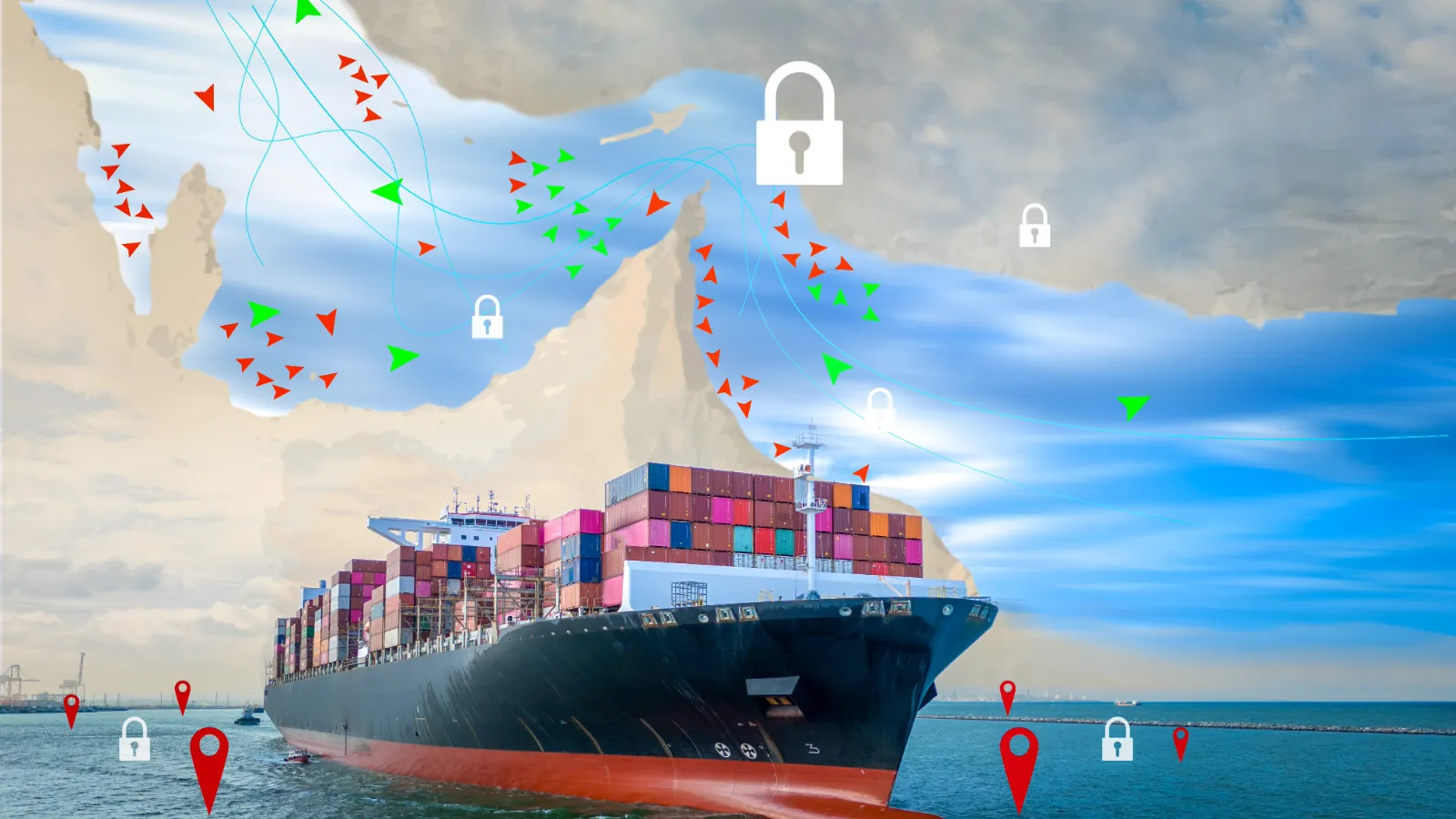
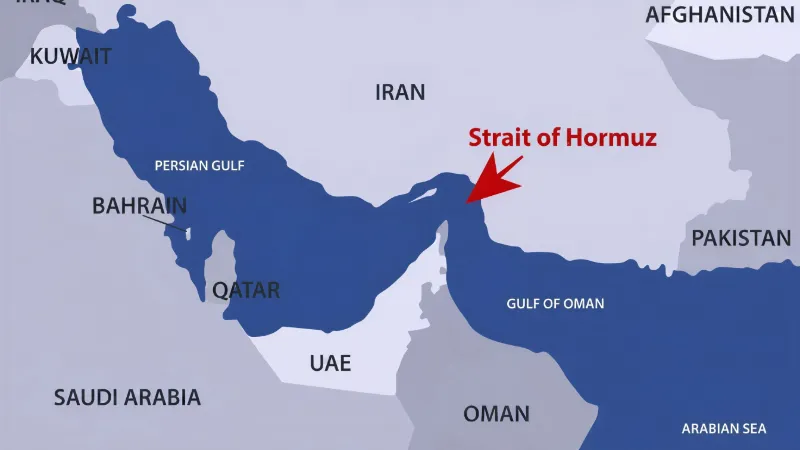
As of May 2026, the United States and Iran are locked in a severe naval standoff, effectively closing the Strait of Hormuz. Nearly all the oil and cooking gas (LPG) that India buys from the Middle East must pass through this single, narrow gate. With warships blocking the area, supply ships are stuck.
Why is there a cooking gas (LPG) shortage in India?
India imports roughly 60% of its cooking gas, and 90% of that travels directly through the Middle East. Because the Strait of Hormuz is blocked, our cooking gas reserves are dropping. If fuel isn’t saved, millions of households could face LPG shortages.
Why can’t India just buy cheap oil from Russia to solve the crisis?
We are, but Russia cannot solve this emergency. First, Russia sells us crude oil (for petrol), but they do not have the infrastructure to supply our LPG. Second, a ship from the Middle East takes 7 days to reach India, while a ship from Russia takes up to 30 days. We need supplies immediately. Finally, because global oil is suddenly scarce, Russia is no longer giving India the massive discounts we saw in previous years.
Why is PM Modi asking citizens to delay buying gold and cancel foreign trips?
India imports almost 100% of its gold, and foreign trips require spending US Dollars. Because the crisis has caused oil prices to skyrocket, the Prime Minister is asking citizens to cut luxury spending so the government can save its US Dollar reserves to buy emergency oil and cooking gas instead.
How is the Middle East oil crisis affecting the Indian stock market?
High oil prices are draining India’s foreign reserves, causing market volatility. Sectors heavily dependent on fuel and petroleum—like Aviation, FMCG (due to trucking costs), and Paint companies—are taking a major hit. Meanwhile, IT and Pharma remain relatively safe.
Why not buy from the USA or Venezuela?
Bringing oil across the globe from the Americas takes up to 45 days. Furthermore, because the Middle East is blocked, the whole world is rushing to buy American oil. This panic has caused global shipping costs to triple this month, making western oil too expensive for everyday Indian consumption.
Why isn’t India forcing a ceasefire?
India is walking a very strict diplomatic tightrope. The USA is our biggest business and defense partner, while Iran is an old ally that controls Chabahar Port, our gateway to Central Asia. If India takes a harsh public stand against either side, we lose a strategic partner. New Delhi is currently focusing entirely on securing “safe passage” for Indian ships rather than trying to act as a global policeman.
The “Dollar Drain” and the Stock Market
When India buys oil, we pay in US Dollars. Because the Strait of Hormuz is blocked, global oil prices have skyrocketed past $120 a barrel.
Every time you fill up your car, the country’s US Dollar reserves drain faster. If India runs out of dollars, the Rupee will crash, causing massive inflation. This panic is actively hitting the share market. Sectors that rely heavily on fuel—like Aviation (jet fuel), FMCG (trucking logistics), and Paint manufacturing—are taking heavy losses.
There is another critical link: Fertilizer. Farmers need Urea to grow crops, and Urea factories require natural gas to operate. Because global gas prices have shot up, the cost of making fertilizer has jumped by over 35%. If the government does not ration gas right now, farmers will not be able to afford fertilizer for the next harvest, leading to an explosion in food prices.
Is there a long-term backup plan?
Yes. India is actively building the Chennai-Vladivostok Maritime Corridor and utilizing the Northern Sea Route through the Arctic. However, building ports, securing icebreakers, and establishing new supply chains takes years. It is a long-term cure, not a short-term fix.
The Bottom Line: What Happens Next?
The government is essentially saying: “We cannot stop the war in the Middle East, but we can fight back from our homes.” By working remotely, sharing rides, and cutting luxury spending, we reduce our country’s need to buy expensive foreign oil. It is a national team effort to save our currency, keep our kitchens running, and prevent a massive economic shock in 2026.