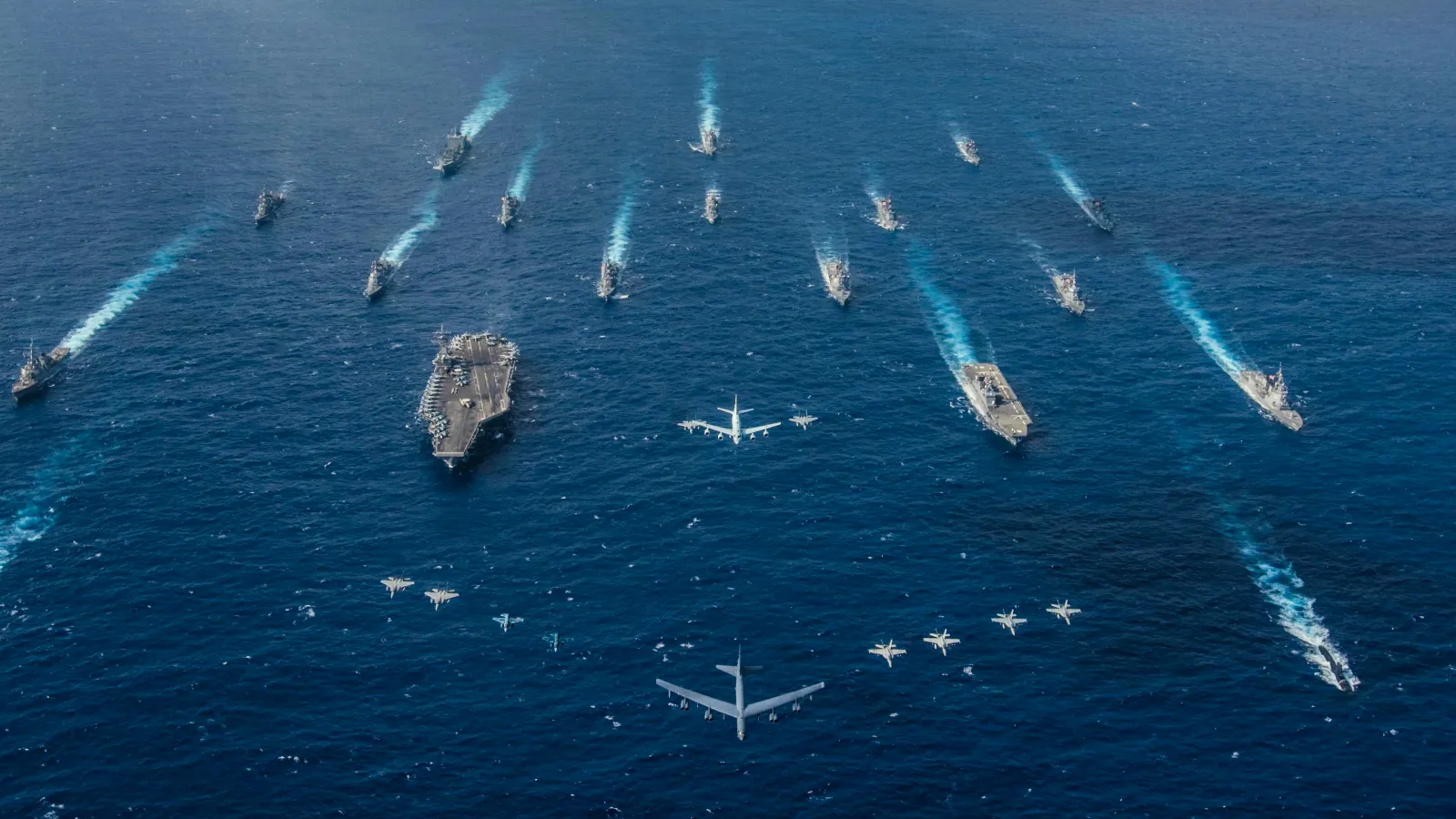
Mazagon Dock Naval Procurement। May 11, 2026
The targeted firing on the Indian-flagged tanker Sanmar Herald in the Strait of Hormuz last month was more than just a maritime incident; it was a wake-up call for the Indian Ministry of Defence. As the Indian Navy launches Operation Urja Suraksha to escort energy shipments, the limitations of our current surface fleet have been laid bare.
For Mumbai-based Mazagon Dock Shipbuilders Limited (MDL), this crisis is no longer just about meeting deadlines—it is about a fundamental shift in India’s naval procurement strategy.
From Patrol to Escort: The Shift in Requirements
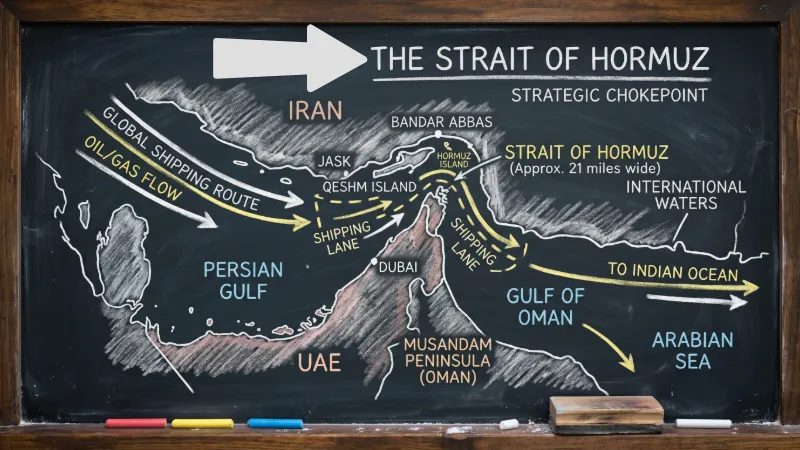
Historically, much of India’s recent procurement focused on Offshore Patrol Vessels (OPVs) for coastal security. However, the Hormuz blockade has proved that India needs “Blue Water Escorts”—heavy, well-armed destroyers and frigates capable of sustained operations in hostile foreign waters.
The Navy has already identified 41 priority vessels (carrying LPG, LNG, and fertilizers) that require protected transit. To maintain this “protective umbrella,” the Navy needs more hulls in the water today, not in 2030.
Pressure on the Project-18 (NGD) Timeline
The most significant impact is on the Next-Generation Destroyer (NGD), also known as Project-18
- The Current Status: As of March 2026, the project was still awaiting the formal “Acceptance of Necessity” (AoN)
- The MDL Urgency: With the Arabian Sea becoming a “hot zone,” there is now intense internal pressure to fast-track the AoN for at least five 11,000-tonne destroyers. MDL, as the primary builder of the previous Visakhapatnam-class destroyers, is the natural frontrunner for this $10 billion contract.
The Colombo Factor: Strategic Expansion
In a massive strategic move just last month (April 2026), MDL completed the acquisition of a 51% stake in Sri Lanka’s Colombo Dockyard PLC.
- Why it matters now: While MDL officially claims Colombo will remain a commercial hub, the timing is unmistakable. Having a subsidiary shipyard in the heart of the Indian Ocean allows MDL to provide mid-mission repairs and logistical support to Indian warships patrolling the Hormuz-to-India route without them having to return to Mumbai or Karwar.
Fast-Tracking the Frigate Fleet
The Hormuz crisis has also accelerated the Project-17A (Stealth Frigates) delivery. MDL recently delivered the fourth ship of this class to the Navy in late April 2026. However, the government is now looking at Project-17B (Next-Gen Frigates) to fill the gap left by older vessels. The goal is simple: more stealth, better air defense systems, and longer endurance.
Market Outlook: MDL’s Order Book
Investors in MAZDOCK have noticed the shift. After a volatile start to the year, the stock has seen a surge in late April as the market bets on “Emergency Procurement” orders.
- Current Trend: The market is anticipating a “top-up” order for existing classes (like more Kalvari-class submarines or Visakhapatnam-class destroyers) to bypass the long design phase of new projects.
The Strait of Hormuz has taught India that “Strategic Autonomy” is only as strong as the fleet that defends it. For Mazagon Dock, the era of slow, peacetime construction is over. We are likely entering a phase of “War-Footing Procurement,” where MDL’s capacity to deliver advanced destroyers will become the single most important factor in India’s energy security.
Mazagon Dock Naval Procurement
The Strait of Hormuz has taught India that “Strategic Autonomy” is only as strong as the fleet that defends it. For Mazagon Dock, the era of slow, peacetime construction is over. We are likely entering a phase of “War-Footing Procurement,” where MDL’s capacity to deliver advanced destroyers will become the single most important factor in India’s energy security. This is no longer just about industrial output; it is about national resilience in an era of unpredictable maritime blockades. As New Delhi pivots from “Make in India” to a more assertive “Defend for India” posture, the evolution of Mazagon Dock Naval Procurement shifts from a mere administrative process to a frontline strategic asset. The ability of MDL to shrink delivery timelines for stealth frigates and next-generation destroyers will determine whether India can truly secure its vital sea lanes or remain vulnerable to foreign geopolitical pressure. Ultimately, the blue-water capability of the Indian Navy depends on the productivity of the dry docks in Mumbai and the streamlining of Mazagon Dock Naval Procurement cycles. MDL’s transition into a rapid-response shipbuilding powerhouse is the only way to ensure that India’s economic lifeline remains unsevered. In the coming years, the speed of domestic naval construction will be the true measure of India’s strategic autonomy, ensuring that energy imports and commercial trade are protected by a fleet that is built, maintained, and deployed with unprecedented speed.