Amid US‑Iran indirect talks and a 15‑point peace plan, Trump publicly rejects a timeline while Tehran formalises a “toll” system in the Strait of Hormuz. India’s rupee hits a new low and New Delhi unveils 2035 climate targets.
NEW DELHI/WASHINGTON: Nearly four weeks into the West Asia war, the diplomatic landscape has turned contradictory. While the United States recently conveyed a 15‑point action list to Tehran via Pakistan—and indirect talks continue—President Donald Trump publicly declared that there is “no plan for ceasefire”, telling Iran to “get serious soon, before it is too late.” The remarks, posted on Truth Social, undercut earlier reports that the White House was privately aiming for a four‑to‑six‑week end to active combat.
Behind the scenes, however, U.S. officials have acknowledged the strain on military resources and the desire to avoid a protracted conflict. The mixed signals suggest Washington is trying to maintain military pressure while leaving the door open for a negotiated exit—a balancing act that has become the hallmark of the administration’s crisis management.
On the ground, the war continues to escalate. Israel confirmed it assassinated Admiral Alireza Tangsiri, commander of the Islamic Revolutionary Guard Corps Navy, in a precision airstrike. Tangsiri, widely seen as the architect of Iran’s naval blockade strategy in the Strait of Hormuz crisis, is the highest‑ranking Iranian naval officer killed in the current conflict. His death is a major blow to Tehran’s maritime capabilities, but it also raises the risk of retaliatory strikes against commercial shipping. For a deeper understanding of why this narrow waterway holds the global economy hostage, read our explainer: Strait Of Hormuz Crisis: Why This Narrow Waterway Controls Global Oil.
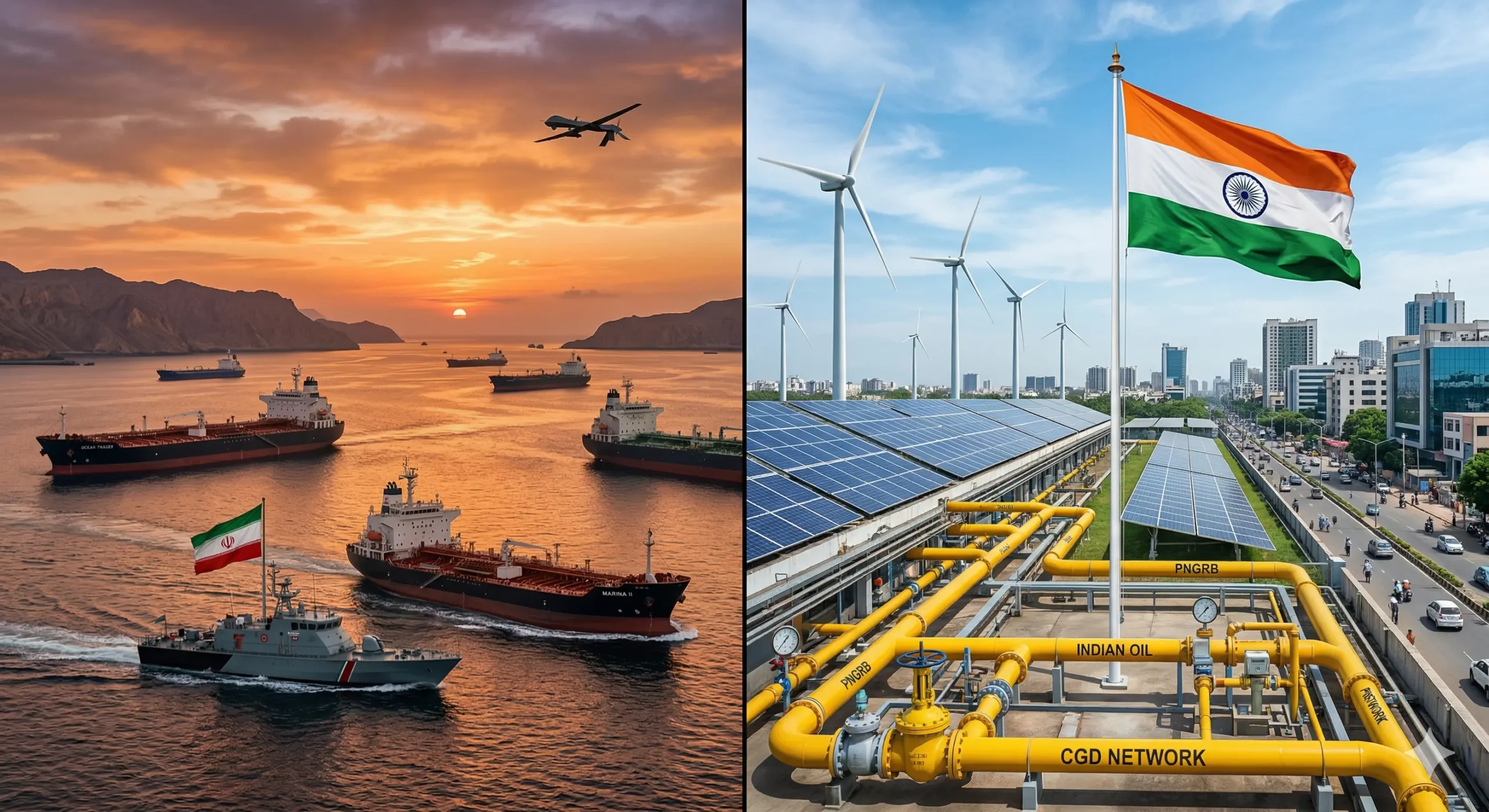
Iran’s response so far has been calibrated but assertive. It formalised a long‑threatened “toll” system for commercial vessels transiting the Strait of Hormuz, effectively turning the world’s most vital oil chokepoint into a revenue‑generating pressure lever. According to maritime risk reports, ships now must present documentation, obtain clearance codes, and accept IRGC escorts. Yet in a gesture aimed at keeping diplomatic channels open, Iran allowed a “small number” of tankers to pass without interference, describing it as a sign of seriousness in ongoing talks.
The 15‑point peace plan: details and obstacles
The United States delivered its 15‑point proposal to Tehran using Pakistan as an intermediary. While the full text remains undisclosed, officials familiar with the talks say the framework includes:
- A phased cessation of missile and drone strikes,
- Verified limits on uranium enrichment,
- Step‑by‑step sanctions relief tied to verifiable de‑escalation, and
- Maritime security arrangements for the Strait of Hormuz.
Iran’s initial reaction was dismissive, with officials calling the proposal “one‑sided” and reportedly submitting five counter‑demands, including war reparations. Nevertheless, Pakistan confirmed that indirect talks are continuing through messages relayed by its diplomats, suggesting neither side is ready to walk away from the negotiating table entirely.
Energy markets: disruption, but not the spike once feared
The conflict has caused significant disruption to global energy flows. The West Asia war impact on oil markets has been severe, but prices have eased from their early‑war highs. Brent crude traded near $103 a barrel on March 26, down from peaks above $120 seen earlier in the month, as markets priced in the slower‑than‑expected hit to export infrastructure. The Indian rupee, however, touched an all‑time low of ₹94.1 against the U.S. dollar, reflecting widening current account pressure and portfolio outflows.
Daily traffic through the Strait of Hormuz is down by an estimated 95% compared to pre‑war levels, according to the BBC, as insurers hike premiums and many tankers reroute.
For real‑time tracking of oil shipments and detailed analysis of global chokepoints, the U.S. Energy Information Administration’s World Oil Transit Chokepoints portal provides authoritative data on the Strait of Hormuz, the Suez Canal, and other critical maritime routes. According to the EIA, even a temporary disruption at Hormuz could cause a sharp spike in global energy prices and insurance costs, a scenario now playing out in real time.
Qatar’s LNG exports have faced interruptions, and regional refining capacity has been strained, though specific percentage figures remain contested.Silver prices jumped 5% as investors sought alternatives, while gold—typically a safe haven—dropped toward $4,350 an ounce. Analysts attribute the anomaly to a global liquidity crunch: institutions selling bullion to raise cash and meet margin calls, a pattern seen during past financial crises.
India’s strategic balancing act: energy security and climate leadership
For India, the crisis has forced a re‑evaluation of energy security, climate ambition, and diplomatic positioning. The Ministry of Petroleum confirmed that the country’s strategic oil reserves—53 lakh metric tonnes—are adequate for immediate domestic demand. The reserves, stored in underground caverns at three locations, are part of a long‑standing effort to buffer against supply shocks.
But the real question for Indian households is more immediate: will your cooking gas become scarce if the Strait of Hormuz closes? Our detailed analysis breaks down the numbers: LPG vs. PNG: The Math of Energy Security—Will War Raise Your Gas Bill?. The short answer is that piped natural gas (PNG) users face significantly lower risk than LPG cylinder users, because nearly half of India’s piped gas comes from domestic sources.
In a move that signals long‑term strategic thinking, the government also announced its new 2035 climate commitment (Nationally Determined Contribution). The targets are ambitious: reduce emissions intensity of GDP by 47% from 2005 levels, and achieve 60% non‑fossil electricity capacity by 2035. The announcement, made through the Ministry of Environment, comes even as the government rushes to secure medium‑term oil supplies from alternative sources.
On the diplomatic front, New Delhi is walking a careful line. While no formal bilateral meetings were reported on March 26, India has remained engaged with Western and Gulf partners through informal channels. China’s foreign ministry, meanwhile, reiterated the importance of stable India‑China relations, though without the “correct path” phrasing that had circulated earlier.
Europe’s defence vulnerabilities and the widening theatre
The war’s ripple effects are extending beyond West Asia. Europe’s defence weaknesses have been thrown into sharp relief. The UK defence crisis—a £28 billion procurement black hole and critical missile defence gaps—has left NATO allies questioning Britain’s ability to contribute to collective security. Our analysis, UK Defence in Crisis: Systemic Weaknesses, the £28 Billion Black Hole, and the Global Impact, examines how these shortfalls affect Western deterrence.
The human dimension: Dimona’s ‘Little India’
Amid the geopolitics and market moves, there is a human story that connects India directly to this conflict. When Iranian missiles struck near Dimona—home to Israel’s nuclear complex and a large Bene Israel community with roots in Maharashtra—it brought the war to the doorstep of a community that has preserved Indian traditions for generations. Read the full account: Iran’s Strike Near Dimona Shook Israel’s ‘Little India’.
The weeks ahead
With Trump publicly ruling out a ceasefire timeline but indirect talks continuing, the coming weeks are likely to see continued military pressure alongside backchannel diplomacy. The Strait of Hormuz crisis remains the central pressure point. Iran’s new “toll” system gives it a way to squeeze global energy flows without closing the strait entirely, preserving some deniability while extracting revenue.
For India, the immediate challenge is managing the economic fallout. High oil prices have already widened the current account deficit and pressured the rupee. But the government’s dual focus—bolstering strategic reserves while accelerating the energy transition—suggests a long‑term strategy to reduce vulnerability to future shocks.
The next few weeks will tell whether diplomacy can outpace escalation. If the 15‑point plan gains traction, a gradual de‑escalation could follow. If it stalls, the world faces the prospect of a protracted conflict with consequences no one—least of all oil‑importing countries like India—can afford to ignore.