Strategic Analysis
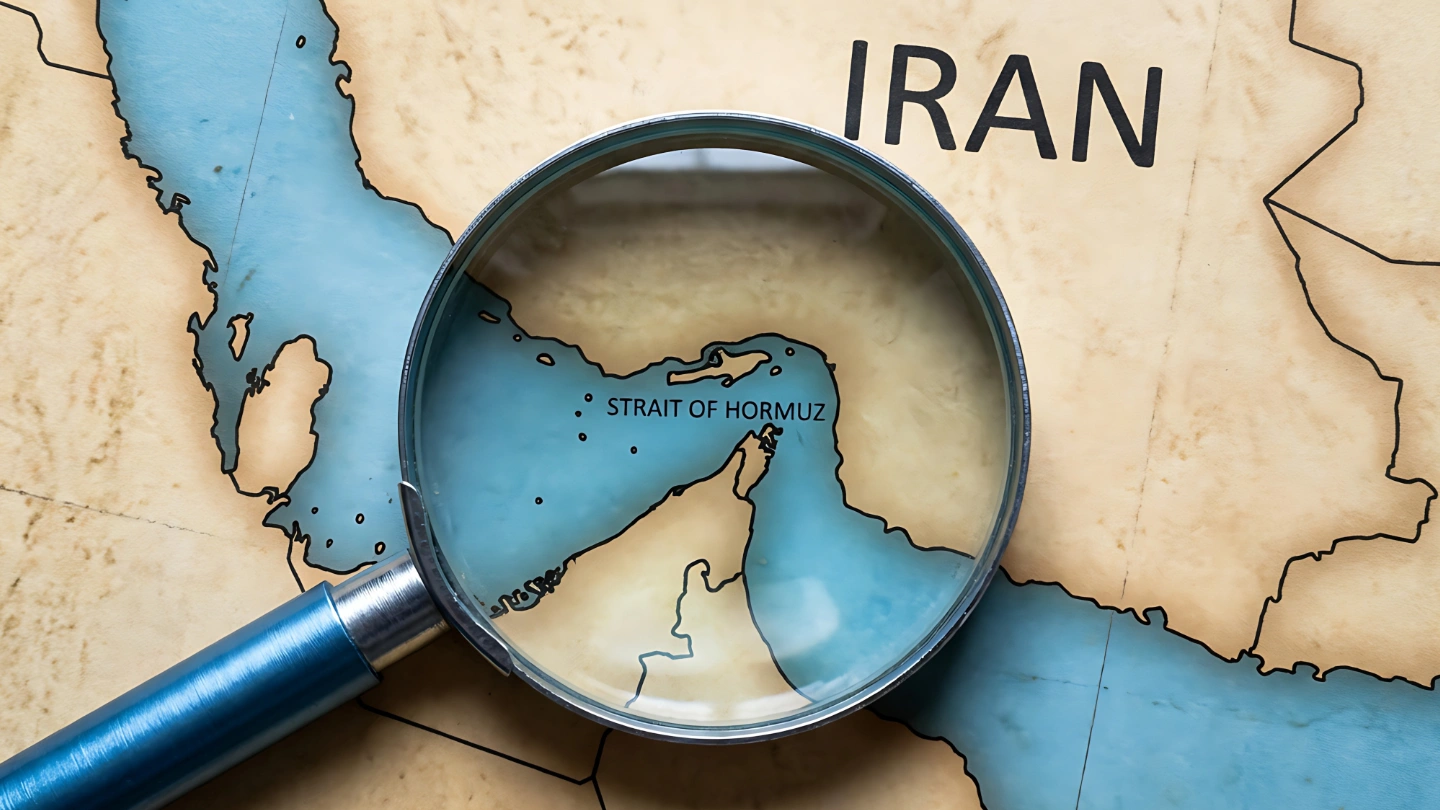
The Strait of Hormuz is open just enough to avoid a formal closure and dangerous enough to keep global shipping on edge. After a brief reopening window in which more than a dozen tankers crossed, restrictions tightened again and hundreds of ships remain stranded as maritime risk, freight stress and diplomatic tension all rise together.
This is no longer just a shipping disruption story. It is now a coercive pressure story. Indian ships have come under attack. Chinese-linked shipping has turned back in earlier reporting. Peace talks remain alive in theory but are being squeezed by Hormuz, by the IRGC’s control of the waterway and by renewed U.S. threats. In plain terms, diplomacy still exists, but coercion is setting the pace.
For the wider military and market backdrop, read our Iran War live updates hub and our broader Strait of Hormuz geopolitical guide.
What exactly has happened in Hormuz
The current phase of the Hormuz crisis is defined by instability rather than a clean blockade. Some tankers managed to cross during a short reopening window, but the corridor has not returned to normal commercial functioning. Ships have reported gunfire, forced reversals and uncertainty over whether transit is even possible without direct coordination with Iran’s Islamic Revolutionary Guard Corps.
That matters because once a chokepoint starts behaving like a military-controlled passage rather than a shipping lane, the damage spreads beyond the vessels directly involved. Risk perception changes first. Traffic patterns shift next. Insurance and pricing follow immediately after.
The Indian ship attacks
The clearest recent confirmed incident involves India. Two Indian-flagged ships were attacked while trying to cross the strait, forcing New Delhi to react diplomatically and summon the Iranian envoy. That instantly turned a maritime security problem into a state-to-state political issue.
For India, this is not a distant naval episode. Hormuz matters directly to fuel security, freight costs, inflation pressure and regional strategic planning. We broke that angle down earlier in our analysis of why India may now rethink its Gulf role. You can also read our earlier explainer on Indian ships in the Strait of Hormuz.
The Chinese vessel U-turn story
The Chinese angle is more nuanced. Earlier reporting showed Chinese-linked container ships halting or turning back despite assumptions that friendlier political ties with Tehran might offer smoother passage. More recent reporting around the bulk carrier Sun Profit has added to that debate, though the evidence hierarchy is uneven and the most recent claim still sits on shakier ground than the Indian attacks.
The larger point is not whether one Chinese-linked vessel turned around on one exact day. The larger point is that even shipping tied to countries seen as relatively friendly to Iran is no longer moving through Hormuz with confidence. That weakens the idea that “friendly country” status functions like a shipping pass.
For a China-focused reading of the crisis, see our article Why China’s Hormuz message matters more than it seems.
How many ships are stuck
The number is no longer small enough to treat as anecdotal disruption. Reports now describe hundreds of ships stranded or delayed as traffic remains far below normal confidence levels. That does not just affect oil cargoes. It affects scheduling, demurrage, insurance pricing, regional trade flows and the wider psychology of global shipping markets.
This is why Hormuz often becomes an economic shock before it becomes a formally closed battlefield. Ships do not need to be sunk in large numbers for the route to stop functioning normally. Fear, delay and unclear rules are often enough.
Why friendly country status means less than many assume
The deeper lesson from the latest phase is simple. Once the IRGC starts treating the strait as a coercive lever, friendship labels matter less than control. That is why vessels from countries not seen as direct enemies can still face warnings, delays, restrictions or outright force. Access stops being diplomatic and starts becoming conditional.
That logic also explains why this crisis is bigger than one attack or one U-turn. Iran is not only shaping movement in a narrow waterway. It is shaping the market’s sense of risk around that waterway.
What India and China appear to be doing
India’s visible response so far has been defensive and diplomatic. It has protested, moved quickly at the diplomatic level and signaled concern over the safety of its shipping without rushing into open escalation. That is a classic crisis-management approach from New Delhi in a high-risk maritime zone.
China’s visible posture looks more cautious than confrontational. The public pattern so far suggests that Chinese-linked shipping is not assuming guaranteed passage and is reacting pragmatically to a live-risk environment. That may disappoint those who thought political closeness to Tehran would automatically translate into operational safety.
Where the peace talks stand now
The peace channel has not collapsed, but it is not close to a breakthrough either. Iranian officials say there has been some progress, yet major gaps remain. The two biggest sticking points are still the future of Iran’s nuclear programme and the status of the Strait of Hormuz itself.
That is the key shift in this crisis. Hormuz is no longer just a military background issue hanging over diplomacy. It is now one of the main bargaining chips inside the diplomacy. The waterway has effectively become part of the negotiating table.
The U.S. warning and why it matters
Washington is still mixing diplomacy with open coercive language. Donald Trump has continued to threaten severe consequences if no deal is reached and if Hormuz does not reopen. That kind of language may be intended as pressure, but it also makes the diplomatic track more brittle. The talks are no longer happening in a neutral space. They are unfolding under active military and rhetorical intimidation.
That matters because threats can narrow flexibility on both sides. Once the price of compromise rises politically, even narrow technical agreements become harder to sell.
The bigger picture
The current Hormuz crisis is no longer just about whether a few tankers get through. It is about whether one of the world’s most sensitive maritime chokepoints is now being used as a live instrument of bargaining, pressure and selective disruption. That is what makes the situation so dangerous.
The result is a corridor that is open in form but unstable in function. Indian ships have been hit. Chinese-linked shipping has turned cautious. Hundreds of vessels remain stuck or delayed. Peace talks still exist, but they are being constrained by the waterway, by the IRGC’s control over access and by hardening rhetoric from Washington. Hormuz is no longer sitting beside the crisis. It has become the crisis.
Sources: Reuters, Reuters, Reuters, Al Jazeera, Al Jazeera Live Blog