Strategic Analysis
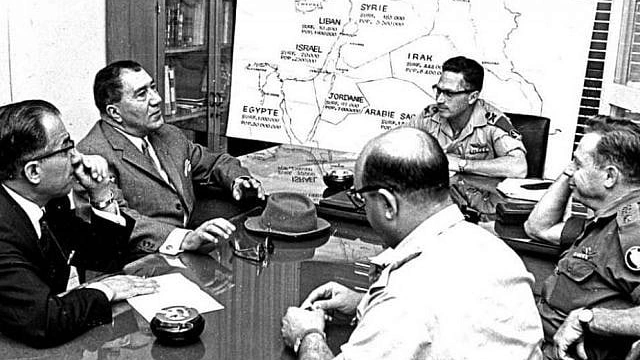
Iran and Israel were not always enemies. That is the first fact modern readers need to recover before they can understand the shadow war that now stretches across missiles, cyber operations, covert strikes and proxy fronts. Before 1979, Tehran and Jerusalem were not allies in any sentimental sense, but they were useful to each other. Iran under the Shah saw Israel as a fellow non-Arab power in a hostile region. Israel, in turn, treated Iran as part of its old periphery logic: a quiet strategic partner beyond the Arab core. The relationship included intelligence ties, oil trade, diplomatic contact and military cooperation, even if much of it remained discreet rather than fully public. Iran extended de facto recognition to Israel in 1950, and the relationship was once described by an Iranian official as “love relations without a marriage contract.” Source
What made that relationship so striking was not warmth but utility. Israel relied on Iranian oil. Iranian and Israeli officials maintained strategic contact. Developmental, agricultural and security ties all deepened under the Shah. This was not a passing diplomatic episode. It was a working arrangement built on converging interests in a dangerous neighborhood. The darker side matters too: newly discussed archival material suggests Israeli leaders understood the Shah’s repressive machinery and still treated the relationship as strategically valuable. That is why the pre-1979 arrangement should not be romanticized. It was a hard-edged security understanding, not a lost friendship. Source
1979: The year the strategic map broke
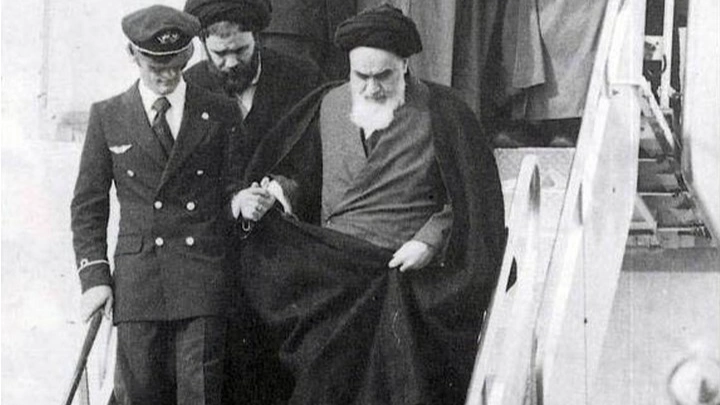
Everything changed with the Iranian Revolution. The 1978–79 upheaval was not simply a clerical revolt from the beginning. It was a wider anti-monarchy uprising shaped by repression, Western interference, economic strain and political anger. But once Ayatollah Ruhollah Khomeini returned and the Islamic Republic took shape, the Iranian state did not just change rulers. It changed identity. Source
Under the Shah, Israel had been a discreet strategic partner. Under Khomeini, Israel became something very different: a symbol of Western intrusion, revolutionary hostility and political illegitimacy. Anti-Zionism was no longer just one policy line among many. It became part of the ideological grammar of the new Iranian order. That shift mattered because it erased the old room for quiet pragmatism. The pre-1979 relationship had always been politically fragile. Once the elite order around the Shah fell, the relationship did not merely weaken. It inverted.
This was not a minor diplomatic correction. It was a reordering of the Iranian state. A quiet strategic partnership was replaced by an enduring structure of hostility. The symbolism of that rupture was total. The same Tehran building that once housed Israel’s mission before the revolution was later handed over to Yasser Arafat and the PLO. The strategic map did not just shift. It was overwritten. Source
This is not mainly a holy war
The conflict is often wrapped in religious language. Jerusalem sits at its emotional center. Iranian speeches are full of resistance rhetoric. Israeli discourse is shaped by survival and deterrence. But religion alone does not explain the conflict. At its core, this is a struggle over regional order.
Iran has sought to project power outward through allied armed networks, missiles and forward pressure across Iraq, Syria, Lebanon and Yemen. Israel has sought to preserve overwhelming military superiority and prevent hostile strategic entrenchment near its borders. Strip away the slogans, and the harder reality comes into view: both states are fighting over who gets to shape the strategic rules of the Middle East. Brookings has argued that the rivalry is rooted not just in ideology but in structural competition over regional influence and deterrence. Source
Religion is the banner they wave. Power is the ground they are fighting for.
How the shadow war was built
Because a direct conventional war would be catastrophic for both, Iran and Israel spent decades building a conflict that could remain intense without becoming fully open. The result is the Middle East’s longest-running shadow war.
It is fought across multiple arenas at once: cyber sabotage, assassinations, proxy warfare, covert disruption, airstrikes on linked assets and strategic signaling that stays just below the threshold of all-out war. In cyberspace, the confrontation showed how code could damage physical infrastructure. In covert warfare, it produced a long pattern of sabotage and targeted killings. In the proxy arena, it expanded through Syria, Lebanon and beyond. What looks like fragmented regional violence often forms part of a larger architecture of pressure built by both sides over time. This is not a frozen conflict. It is a calibrated one. Source
For readers who want the wider strategic context of Tehran’s post-1979 security state, read our explainer on what the IRGC is and how the Islamic Revolution remade Iran.
A relationship built on utility, not affection
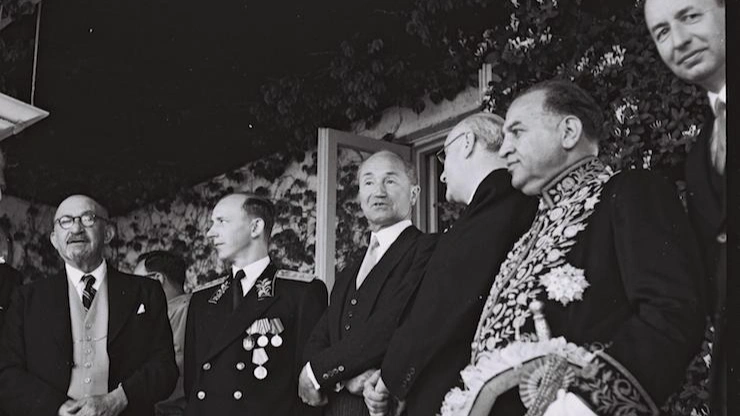
One of the least understood parts of this history is how broad the pre-1979 relationship really was. It was not just about oil and intelligence. It also included agricultural cooperation, developmental work, planning assistance and regular high-level contact. Israeli and Iranian military figures met routinely. Civilian cooperation existed alongside security cooperation. Yet the arrangement was never rooted in public legitimacy. It rested on a narrow elite structure and on the Shah’s authoritarian security order. Source
That matters because it explains why the rupture was so complete. What was lost after 1979 was not an organic friendship between two societies. It was a strategic arrangement that had depended on secrecy, hierarchy and converging state interests. That is also why the later hostility became so absolute: what had once been useful could now be recast as ideological betrayal.
Why the region could not stay neutral
The Iran-Israel rivalry has long stopped being a bilateral problem. It has bent the politics of the wider region. For Israel, Iran’s rise helped push Arab states toward new security calculations and eventually toward quiet or open coordination. That helped open the path to new alignments, including the Abraham Accords. The Middle East Institute has argued that Israel’s pre-revolution ties with Iran offer an important historical road map for understanding later regional realignments built on shared threat perception rather than shared identity. Source
For Iran, that shift only reinforced the need to deepen its asymmetric model of missiles, militias and strategic patience. That is why the rivalry became self-reinforcing. Every Israeli move to contain Iran confirms Tehran’s narrative of encirclement. Every Iranian move to expand pressure confirms Israel’s sense that the threat is becoming more dangerous.
Why this conflict endures
Many rivalries fade because leaders change or priorities shift. This one has endured because each side has built the other into the way it now sees the region. For Tehran, confrontation with Israel reinforces the Islamic Republic’s wider claim to resistance and regional relevance. For Israel, Iran has become the central long-term threat around which deterrence, intelligence work and military planning increasingly revolve.
That is what makes the confrontation so dangerous. It is no longer just a dispute between two states. It is part of how both states define their role in the Middle East.
The wild card beneath the surface
And yet the story is not completely fixed. Inside Iran, beneath the ideological structure of the state, there is a younger and more frustrated society that does not always see foreign confrontation through the same lens as the regime. That does not mean the system is about to abandon its regional doctrine. But it does mean the conflict sits on top of a society that is less politically frozen than it often appears from outside.
That internal tension matters because the future of this rivalry will depend not only on missile ranges, proxy fronts and state ideology, but also on whether the political structures driving confrontation remain as stable as they look.
The bigger picture
Iran and Israel are not trapped in conflict because ancient destiny made it inevitable. They are trapped in it because strategy, ideology and state identity hardened over time into a durable structure of hostility.
Before 1979, the relationship was shaped by pragmatism. After 1979, it was redefined by revolution. Over the decades that followed, both sides built institutions, alliances and doctrines around that hostility. What began as a strategic rupture became a system.
That is why the shadow war persists. It is no longer just a contest between two governments. It is a contest between two regional blueprints — one built around resistance and forward pressure, the other around deterrence and strategic supremacy.
Until one of those blueprints weakens, or the states behind them are forced to rethink what survival requires, this conflict is unlikely to end. It will simply continue to evolve — more technological, more deniable, more region-wide and potentially far more dangerous.
Archive Gallery: Iran Before and During the Revolution
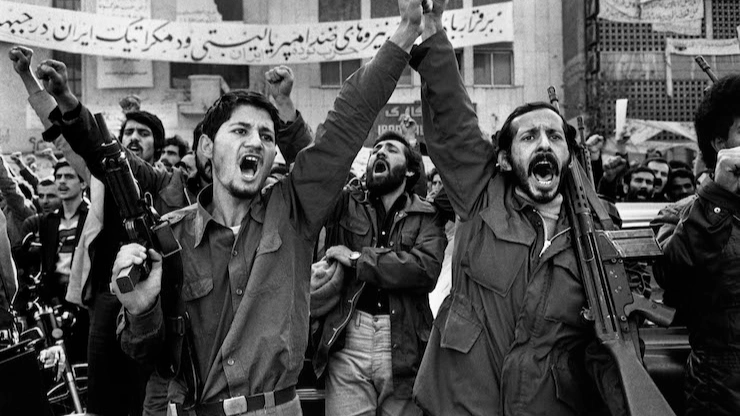
Armed left-wing protesters during demonstrations against the Shah’s regime in early 1979, capturing the revolutionary atmosphere that helped shatter Iran’s old strategic order. Read analysis
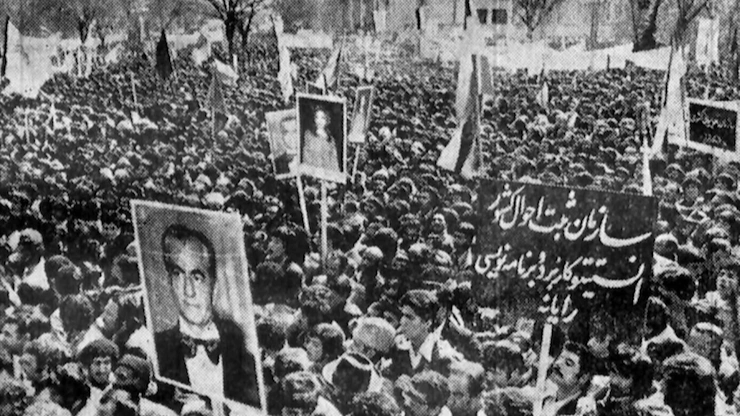
A pro-Shah demonstration in Tabriz in 1978, a reminder that Iran’s revolutionary moment was contested and politically layered rather than socially uniform. Read analysis
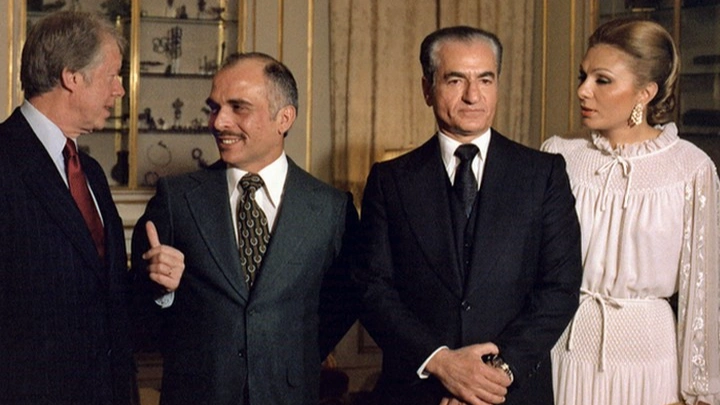
The Shah at the White House in 1977, reflecting Iran’s deep alignment with the Western security order just before the revolutionary rupture. Read analysis
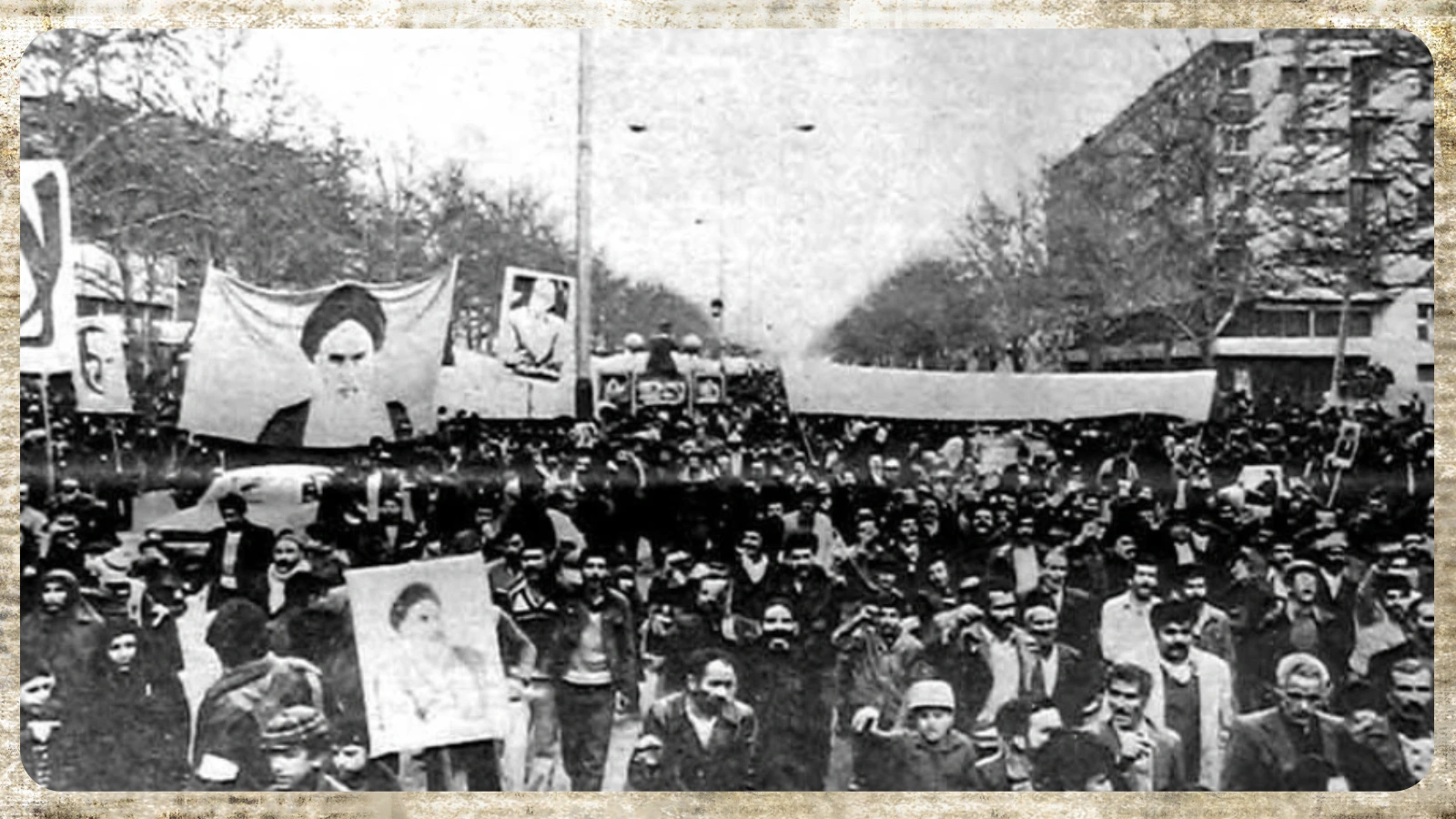
The Islamic Revolution did not just overthrow the Shah. It rebuilt Iran’s state, ideology and security structure. Read analysis
Sources: Times of Israel, +972 Magazine, Britannica, Brookings, Middle East Institute

1 thought on “Iran and Israel Were Once Friends. What Changed?”