
What crisis management frameworks can borrow from the military—and where they break down
In times of profound crisis—whether facing volatile economic shocks, institutional breakdowns, or national emergencies—civilian leaders often cast envious glances at the military. They imagine the swift obedience, the ironclad discipline, and the legendary credibility of figures like Field Marshal Sam Manekshaw, whose visible, principled leadership forged unshakeable institutional trust. It is tempting to believe that adopting such a rigid, decisive command structure will instantly cure an ailing corporate or government system navigating today’s volatile, uncertain, complex, and ambiguous (VUCA) environments.
But as explored in The Dangerous Lie of Modern Success, modern systems frequently confuse structural rigidity with true strength. The assumption that military leadership principles can be directly copy-pasted into civilian crisis management does not hold up to scrutiny. The real value of the military ethos lies not in replication, but in careful, culturally sensitive translation.
The Illusion of Direct Application
To understand why direct application fails, we must look at the structural foundation of the armed forces. Military systems are built upon clear hierarchy, legal authority, and standardized behaviour. Orders are executed within strictly defined chains of command, often under extreme conditions where compliance is simply non-negotiable.
Civilian systems—whether government bureaucracies, corporate boardrooms, or academic institutions—breathe a completely different air. They rely on stakeholder consensus, distributed autonomy, and cultural alignment. When senior management attempts a wholesale transfer of Army values into these environments, it often fractures the very culture it aims to strengthen. An over-reliance on positional authority, excessive rigidity in dynamic markets, and a culture of fear-based compliance will rapidly erode institutional trust in the civilian world.
Translating the Ethos
This structural divide means core military concepts must evolve to be effective. The traditional notion of command must transition into influence—the ability to persuade, align, and negotiate rather than issue unilateral directives. Discipline must transform into flexible engagement, upholding high standards of execution while still providing the oxygen required for innovation and individual initiative. Even the military’s emphasis on blistering speed must be tempered into inclusive decision-making, ensuring that rapid execution does not blindside critical stakeholders.
Yet, when stripped of its authoritarian shell, the core of military efficacy translates beautifully. Mission clarity translates directly into strategic alignment, cutting through the fog of corporate ambiguity so teams can focus on what matters. Execution discipline fosters operational reliability and timely delivery. And the deep team orientation born in the trenches is exactly what complex, multi-stakeholder civilian environments need to build cohesion under immense pressure.
Tactical Frameworks for Civilian Strategy
When adapted correctly, these translated frameworks become powerful engines for national security coordination, large-scale logistics, and everyday organizational governance. The philosophical roots of this strategic thinking have long been explored, as detailed in The Ancient Secret to Ending Modern Wars.
Consider the OODA Loop (Observe–Orient–Decide–Act)—a military cognitive strategy designed to process information and make decisions faster than an opponent. Or take Mission Command, a doctrine that delegates decentralized decision-making to subordinates who thoroughly understand their commander’s intent. In a civilian setting, these are not tools of micromanagement; they are profound frameworks for extreme agility and empowerment. They allow teams on the ground to act decisively without waiting for top-down approval.
The Leadership Shift Civilian Systems Need
Ultimately, while the Army ethos brings distinct advantages in discipline, clarity, and resilience, thriving in the civilian world demands a fundamental shift in perspective.
| The Military Context | The Civilian Translation |
|---|---|
| Authority-driven | Influence-driven |
| Compliance-based | Commitment-based |
| System-enforced discipline | Culture-driven discipline |
Executive Takeaway
The ultimate test of a civilian leader is not how well they can mimic a general, but how effectively they can reinterpret military leadership principles to build agile, trust-driven, and accountable systems.
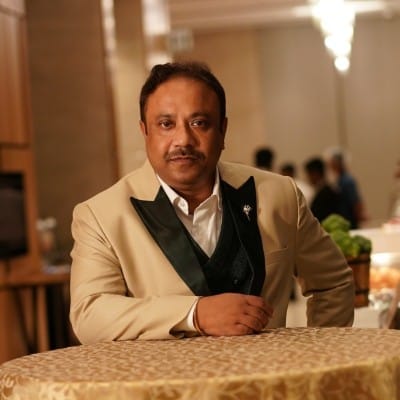
Lt Col Dhruvjyoti Chanda is an Indian Army veteran and Shaurya Chakra awardee with extensive experience in high-pressure operational environments and international peacekeeping roles, including service with the United Nations Interim Force in Lebanon (UNIFIL).
His expertise spans leadership development, crisis management, and organisational transformation—bridging military precision with civilian adaptability. He has worked across multicultural environments, bringing a people-first leadership approach grounded in discipline, clarity, and trust.
For Hindi readers, explore our coverage on India’s naval capability:
INS Mahendragiri – Indian Navy’s Stealth Warship
.