
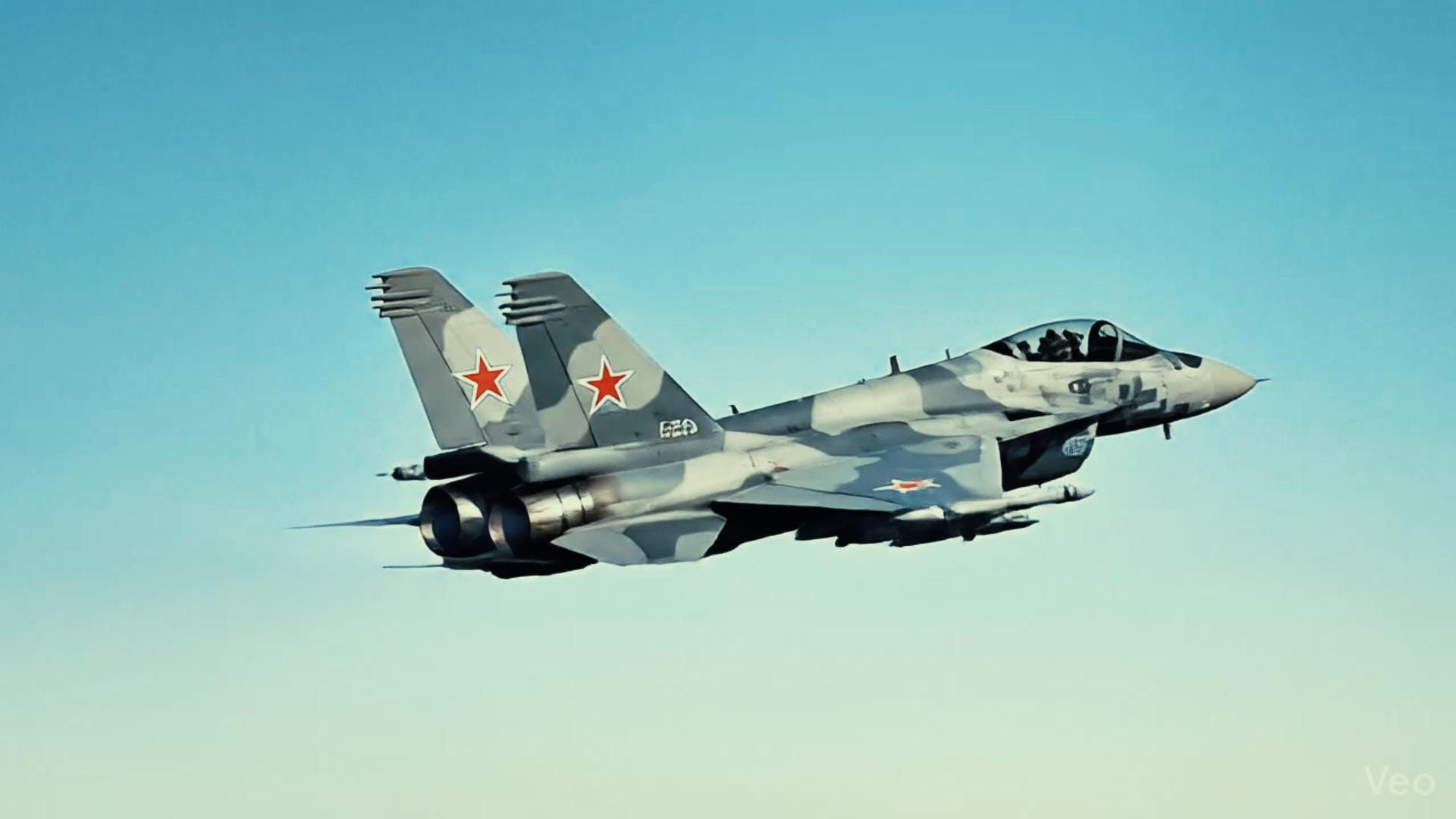
While the global defense community has been hyper-focused on the historic US-India GE F414 jet engine co-production deal, a massive strategic shift is quietly developing on another front. Faced with a widening regional stealth deficit, New Delhi appears to be weighing a high-stakes, $10 billion gamble: bringing the Russian Sukhoi Su-57 (NATO: Felon) to the Indian Air Force.
In our latest video intelligence brief, we break down why the “Felon” is no longer just an option for India, but potentially a tactical necessity.
The Tactical Emergency
With China rapidly expanding its J-20 stealth fighter squadrons and India’s indigenous Advanced Medium Combat Aircraft (AMCA) program still years away from series production, the IAF is staring down a critical capability gap. Reports emerging from the defense ecosystem suggest India may pursue a stopgap procurement of up to 40 Su-57M1 variants to bridge this divide until the 2030s.
The Geopolitical Tightrope
This potential procurement is the ultimate test of India’s “Strategic Autonomy.” Can New Delhi successfully integrate the pinnacle of Russian stealth technology without jeopardizing its newfound aerospace partnerships with Washington? Securing Western engine tech on one hand while locking in Russian air superiority on the other is a diplomatic masterstroke—if it doesn’t trigger CAATSA sanctions.
The Market & Industrial Impact
Beyond the geopolitics, the real shockwave will be felt in the defense markets. For investors tracking the Nifty Defense Index, the Su-57 deal is rumored to include a massive 50% localized co-production clause. This means:
Hindustan Aeronautics Limited (HAL): Potential repurposing of existing infrastructure for licensed production, bringing advanced stealth manufacturing tech to Indian soil.
The Ancillary Ecosystem: A significant boost for Tier-2 defense contractors specializing in advanced avionics, radar-absorbent coatings, and precision casting.
Is the Su-57 a bridge to our own stealth future, or a diplomatic trap we can’t afford?
Watch the full 60-second breakdown above and drop your analysis in the comments below. Are you backing the US-engine strategy, the Russian stealth stopgap, or both?

1 thought on “Intelligence Brief: The Felon’s Gamble – Is India Finally Choosing the Su-57?”