
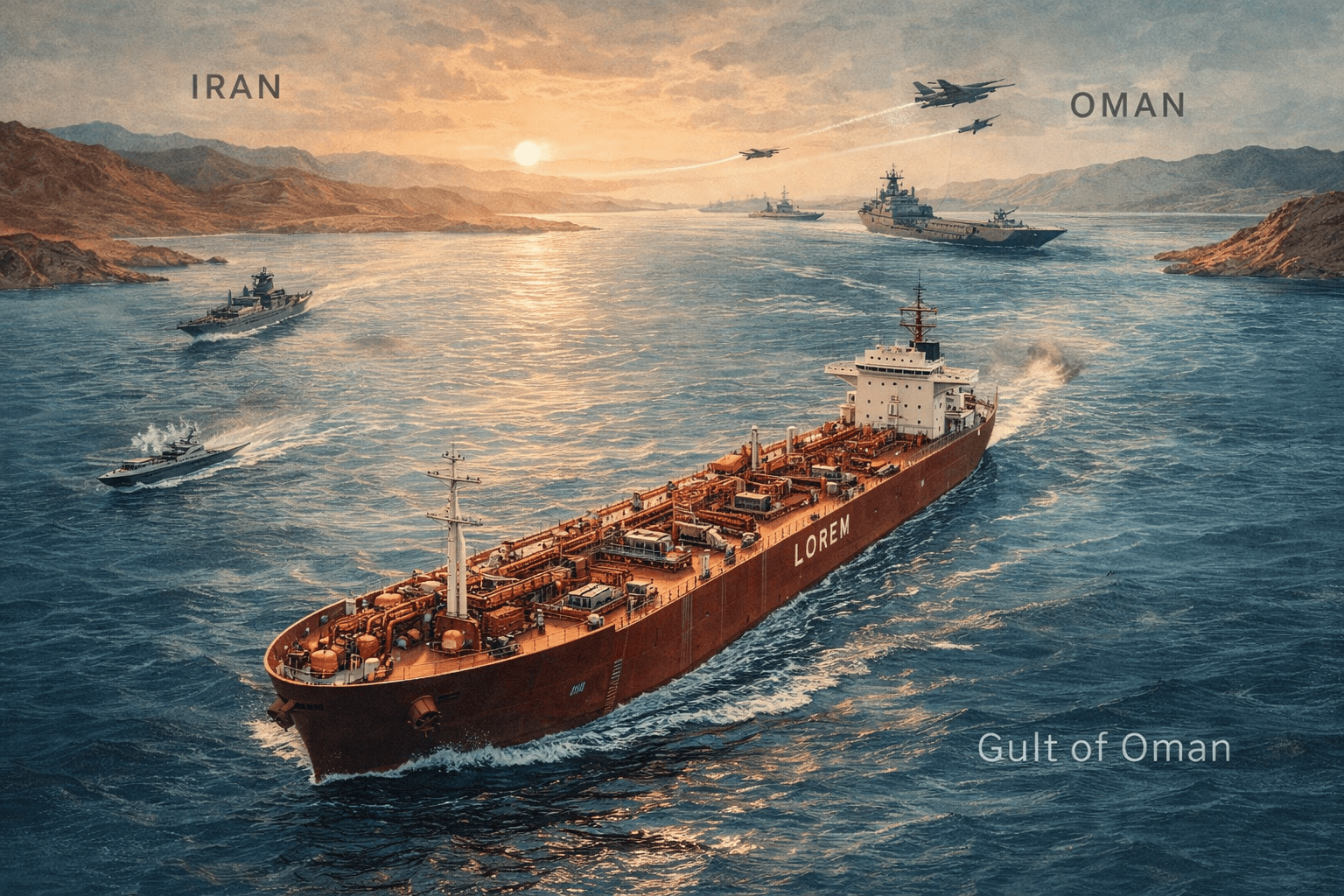
Commercial traffic through the Strait of Hormuz has collapsed by more than 95 percent since late February, paralyzed by overlapping blockades enforced by the U.S. military and the Islamic Revolutionary Guard Corps (IRGC).
According to maritime intelligence firm Windward, daily transits through the waterway dropped from hundreds of vessels prior to the conflict to just 13 by April 28. Approximately 2,000 ships and 20,000 mariners are currently stranded across the wider Persian Gulf as international insurance syndicates have pulled coverage from the region entirely.
The paralysis stems from the February 28 U.S.-Israeli air campaign, dubbed Operation Epic Fury. While the strikes killed Iranian Supreme Leader Ali Khamenei, they failed to trigger the systemic collapse anticipated by planners in Washington. Power instead rapidly consolidated under the IRGC and Maj. Gen. Ahmad Vahidi, who responded by sealing the 21-mile-wide strait.
The IRGC’s Maritime Denial Strategy
Before the outbreak of hostilities, the Strait of Hormuz handled 25 percent of global seaborne crude oil and 20 percent of liquefied natural gas (LNG). Taking that capacity offline has pushed Brent crude prices past $112 a barrel. Tehran’s blockade relies on a mix of coastal geography and asymmetric warfare, utilizing anti-ship missile batteries along the Hormozgan Province and advanced sea mines in the shipping lanes.
The IRGC’s enforcement has been lethal. In March, an Iranian projectile struck the oil tanker Skylight north of Khasab, Oman, killing two Indian crew members. A similar strike hit the MKD VYOM tanker. Utilizing helicopter-borne commando units, Iranian forces have also boarded and seized commercial ships, including the container vessels EPAMINONDAS and MSC FRANCESCA.
In mid-April, during a brief ceasefire, Tehran attempted to monetize its leverage by demanding transit tolls of $1 million per vessel—a move the shipping industry and Western capitals rejected as state-sponsored extortion.
CENTCOM’s Counter-Blockade
In response to the strait’s closure, the United States launched a formal naval counter-blockade on April 13. Commanded by U.S. Central Command (CENTCOM), the operation targets all Iranian ports and coastal infrastructure. The objective is to sever Tehran’s remaining oil revenues and force concessions on its highly enriched uranium stockpile.
U.S. naval forces are operating under aggressive rules of engagement. Defense Secretary Pete Hegseth has authorized commanders to fire on Iranian fast-attack boats attempting to lay mines or disrupt traffic. Operating advanced surface combatants like the guided-missile destroyer USS Rafael Peralta, the U.S. Navy reported on April 28 that it had intercepted 39 vessels, forcing them to turn around or return to Iranian ports.
To survive the economic strangulation, Iranian oil exports now rely on “dark” shipping. Captains are intentionally disabling their Automatic Identification System (AIS) transponders to obscure their origins. Navigating “dark” through a heavily mined waterway populated by nervous naval combatants has significantly elevated the risk of accidental collisions and misidentified strikes.
The Storage Cliff
The dual blockade has created a mutually destructive economic standoff that both sides believe they can win through attrition.
Washington’s strategy hinges on a logistical cliff. Intelligence assessments indicate that Iran possesses only 12 to 22 days of usable oil storage capacity remaining. If the U.S. blockade successfully prevents the “dark fleet” from exporting crude, Iran will be forced to halt domestic extraction entirely. Capping wells risks permanent geological damage to the reservoirs, potentially crippling the nation’s energy sector for decades.
The Trump administration calculates that hyperinflation and the physical shutdown of the oil fields will eventually fracture the IRGC’s internal coalition. Tehran is gambling that $112-a-barrel oil and global supply chain stagnation will break the political will of Western consumers first. Until one side experiences a systemic break, the Strait of Hormuz remains a militarized dead zone.