
The Geopolitical Shift Behind the Pentagon’s Indo-Pacific Move
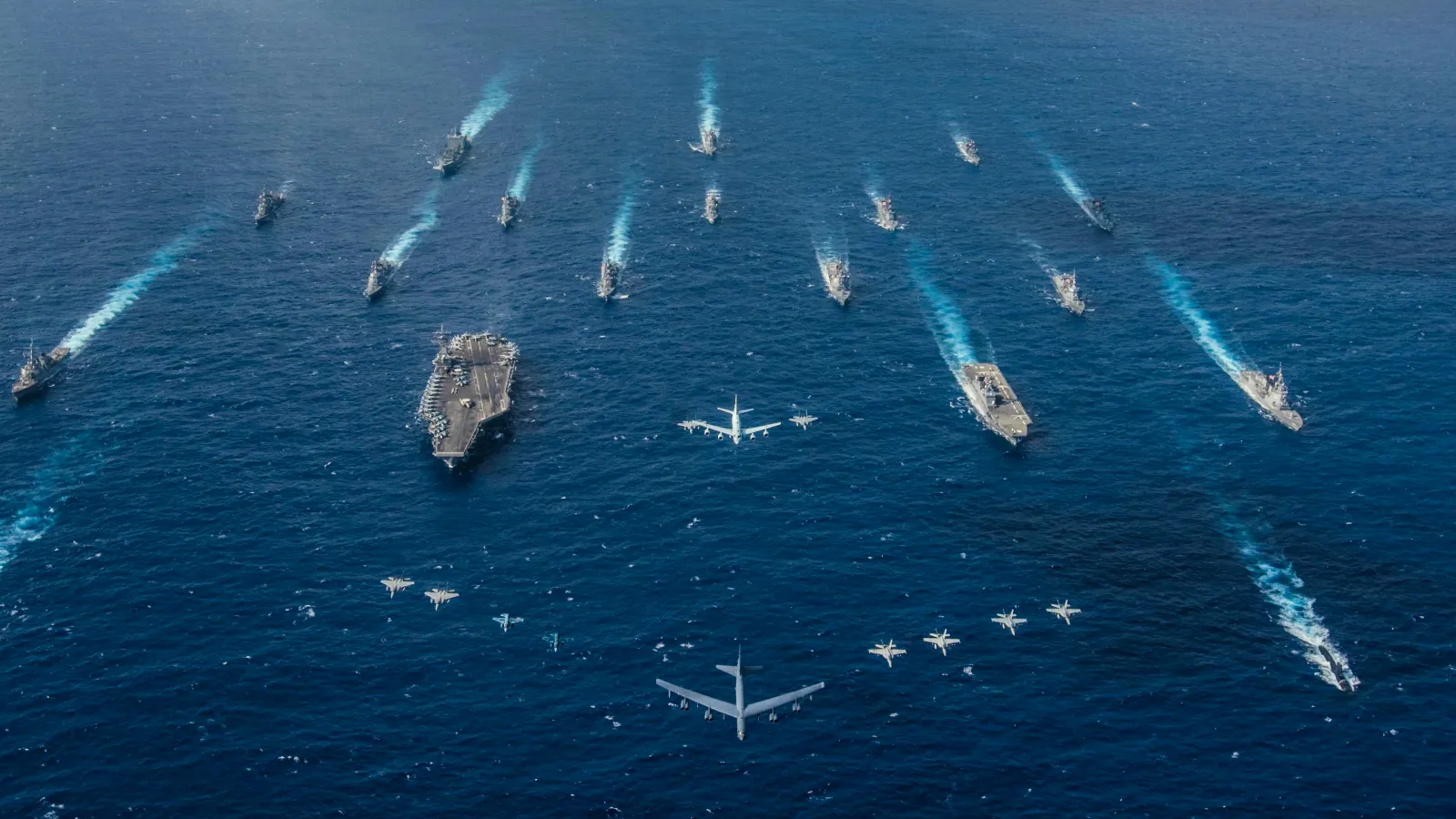
New Delhi: The Pentagon has restored the name U.S. Pacific Command (USPACOM), retiring the “Indo-Pacific” label that had been in use since 2018. Officially, nothing else has changed. The command’s area of responsibility still stretches from the U.S. West Coast to India’s western border, and Washington insists its mission remains unchanged.
Even so, the decision has drawn attention in New Delhi.
The term “Indo-Pacific” was more than a geographic description. It reflected a broader strategic idea that linked the Indian and Pacific Oceans into a single theatre and placed India closer to the centre of regional security discussions. Removing the term does not alter military deployments, but it does remove a symbol that had become closely associated with India’s rise in the region.
The timing is notable.
The renaming comes as India and the United States navigate one of the more difficult periods in their maritime relationship in recent years. Earlier this month, three Indian seafarers were killed aboard the tanker Settebello during a U.S. strike linked to enforcement operations targeting Iranian oil shipments. New Delhi responded with a formal diplomatic protest, highlighting the risks that regional conflicts can pose to Indian citizens and commercial interests.
At the same time, India is investing heavily in its own defence capabilities.
Pentagon Indo-Pacific Shift Met by India’s Record ₹7.85LCr Defence Build-Up
The Union Budget for FY 2026-27 allocated a record ₹7.85 lakh crore to the Ministry of Defence. Capital expenditure has risen sharply, with around ₹1.85 lakh crore earmarked for capital acquisition. Nearly three-quarters of that spending is reserved for domestic procurement, reinforcing the government’s push for greater self-reliance in defence manufacturing.
This policy is reshaping the country’s defence industrial base.
India’s defence production reached a record ₹1.78 lakh crore in FY 2025-26, while exports continued their upward trajectory. Much of the investment is flowing into indigenous shipbuilding, missile systems, sensors, electronics, and unmanned platforms. Large programmes such as the Project 17A frigates, Project 15B destroyers, and future submarine acquisitions are increasingly tied to domestic manufacturing capacity.
For the Indian Navy, the objective extends beyond fleet expansion.
India’s maritime planners are focused on securing critical sea lanes that connect the Middle East, Africa, and Asia. From the Gulf of Aden to the Strait of Malacca, the uninterrupted flow of energy and trade remains central to India’s economic and strategic interests. Facilities in the Andaman and Nicobar Islands and other forward locations are being upgraded to improve surveillance, logistics, and operational reach across the Indian Ocean.
The broader trend is clear.
Over the past decade, New Delhi has steadily reduced its reliance on imported defence equipment while encouraging domestic production and technology development. That effort has accelerated through initiatives such as indigenous shipbuilding programmes, defence production incentives, and support for private-sector participation.
None of this means India is moving away from the United States. Defence cooperation between the two countries continues across multiple areas, including aerospace, advanced technology, logistics, and maritime security. Programmes involving jet engine technology, unmanned systems, and critical supply chains remain active.
But the relationship is evolving.
India’s growing emphasis on indigenous capability reflects a long-standing preference for strategic autonomy rather than alliance dependence. Whether the command in Hawaii is called INDOPACOM or USPACOM is ultimately less important than the trajectory of Indian defence policy itself.
The name on the headquarters building may have changed. India’s investment in naval power, domestic manufacturing, and strategic autonomy has not.
The numbers tell that story clearly. A ₹7.85 lakh crore defence budget, record production levels, and expanding naval infrastructure point to a country preparing to secure its interests with capabilities built at home rather than assumptions made abroad.

1 thought on “Pentagon Indo-Pacific Rename vs. India’s ₹7.85 Lakh Crore Defence Push”