
News Analysis | South Asia 11 July 2026
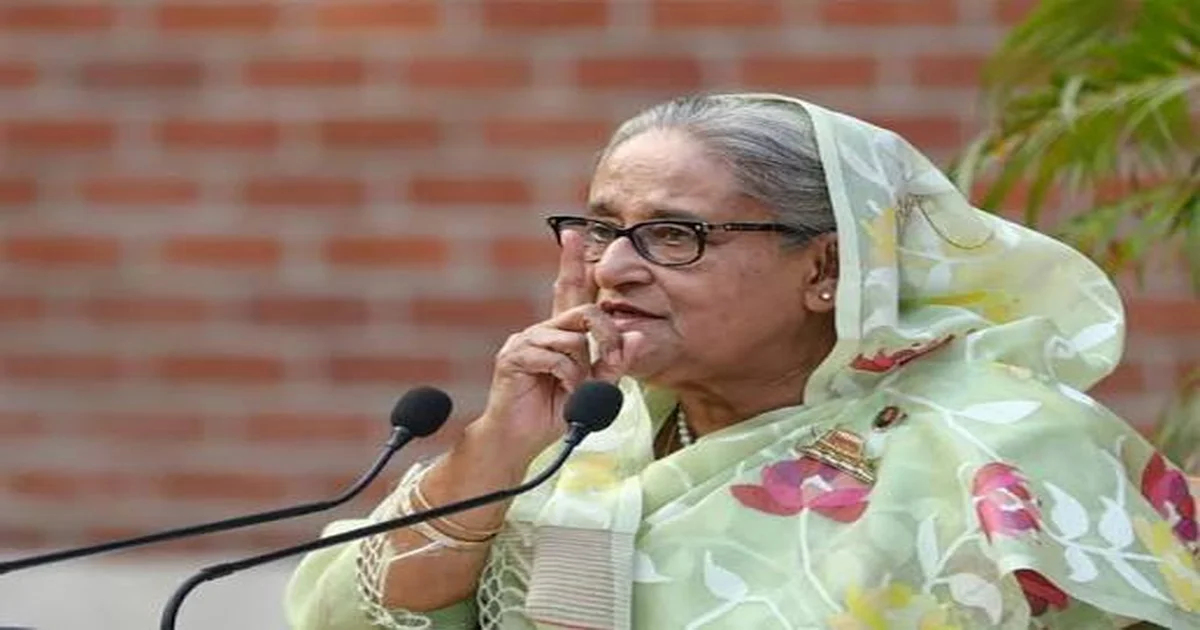
New Delhi: Sheikh Hasina, the former Bangladesh prime minister who has lived in exile in India since August 2024,has signaled a definitive Sheikh Hasina return to Bangladesh timeline by December this year to surrender to the courts, according to an interview with Reuters published on 10 July 2026. The statement is the first time Hasina has given a timeframe for her return, and it sets up a direct confrontation between the country’s new government and the leader whose ouster reshaped Bangladeshi politics.
What Hasina Said
Speaking to Reuters by telephone from her residence in Delhi, Hasina said she and senior colleagues from her Awami League party planned to travel back to Bangladesh voluntarily and present themselves before the courts. She acknowledged the risk this carries, telling the news agency, “They may arrest me on my return, they may even kill me.” She added that she wanted to face whatever came “on my own soil.”
Hasina said the decision was driven partly by pressure on party workers who remained in Bangladesh. According to Reuters, she has held online meetings covering 125 of the country’s 300 parliamentary constituencies as part of an effort to keep the Awami League’s organisation intact despite the ban on its political activities. She also said she had not been in contact with the Bangladeshi authorities about her plans and did not intend to negotiate her return through back channels.
Former home minister Asaduzzaman Khan Kamal, who also faces a death sentence, is expected to be among the senior leaders returning with her, Reuters reported. The news agency said it could not independently confirm the whereabouts of other Awami League figures named by Hasina.
Why She Faces a Death Sentence
The case against Hasina stems from the crackdown on the student-led protests of July and August 2024, which ended her uninterrupted 15-year hold on power and forced her to flee to India on 5 August 2024. A United Nations report found that as many as 1,400 people were killed during the unrest. In November 2025, Bangladesh’s International Crimes Tribunal convicted Hasina in absentia of crimes against humanity over the crackdown and sentenced her to death. She has rejected the verdict as politically motivated.
A Changed Political Landscape
Hasina’s announcement comes months after Bangladesh’s political map was redrawn at the ballot box. General elections held on 12 February 2026 — the first since the 2024 uprising — delivered a landslide victory to the Bangladesh Nationalist Party (BNP), led by Tarique Rahman, who took over the party after the death of his mother, former prime minister Khaleda Zia, in December 2025. The BNP-led alliance won more than 200 of the roughly 300 seats declared, according to Bangladesh’s Election Commission, comfortably clearing the majority threshold. Jamaat-e-Islami finished a distant second and has since said it will function as a “vigilant, principled and peaceful opposition.”
A referendum on the July National Charter, a set of proposed constitutional reforms drawn up by the interim government that succeeded Hasina, was held alongside the election. Bangladesh’s Election Commission said roughly 60 percent of voters backed the charter, which includes term limits for the prime minister and provisions for neutral interim governments during election periods.
The Awami League itself was barred from contesting the election, and its activities remain suspended. Rahman has said any decision on seeking Hasina’s extradition from India would depend on “the legal process,” leaving the question open even as party workers press Dhaka to formally pursue it.
The India Question
Bangladesh has repeatedly asked New Delhi to extradite Hasina since her arrival in 2024. India’s foreign ministry indicated in April that it was reviewing the request while seeking to build ties with Rahman’s government; it did not respond to Reuters’ request for comment on Hasina’s latest remarks. Neither did the Bangladesh government.
For India, Hasina’s presence has been a point of quiet friction with Dhaka rather than an open rupture. Prime Minister Narendra Modi was among the first foreign leaders to congratulate Rahman after February’s election, and New Delhi has signalled it wants a working relationship with the new government even as it continues to host a leader Dhaka wants extradited. A voluntary return by Hasina would remove that irritant from the bilateral relationship, though it would not necessarily settle the diplomatic questions raised by her presence in India over the past two years, including how New Delhi explains its position if her trial and any subsequent proceedings are seen internationally as falling short of due process.
What Changes, and What Doesn’t
Hasina’s return, if it happens as described, would not by itself restore the Awami League to electoral politics. The party remains barred, and Hasina herself has acknowledged she may be barred from contesting future elections regardless of the outcome of her trial. What her return could do is force a test of Bangladesh’s judiciary and security apparatus under international scrutiny, at a moment when the BNP government is still consolidating its mandate and managing an opposition landscape reordered by Jamaat-e-Islami’s stronger-than-expected showing in February.
It would also revive questions about how Bangladesh’s institutions handle a case with clear political stakes on both sides. Rights groups, foreign governments and investors are likely to watch the tribunal proceedings closely as an indicator of whether the country’s post-uprising legal reforms function independently of the party in power — a question that matters well beyond Hasina’s individual case, given how central judicial credibility is to the July Charter reforms that voters endorsed in February.
What to Watch: Tracking the Sheikh Hasina Return to Bangladesh
Several details remain unresolved and will shape how the situation develops between now and December:
- Whether Bangladesh offers any security guarantees ahead of a return that Hasina herself expects could end in her arrest or worse.
- Whether Dhaka’s request for extradition gains traction with New Delhi before Hasina’s own timeline takes effect, which would pre-empt a voluntary surrender.
- How the Rahman government balances domestic pressure to prosecute Hasina with the diplomatic cost of managing the process under sustained international attention.
- Whether the Awami League’s underground organising translates into visible political activity once, or if, Hasina returns.
Hasina did not give Reuters a specific date, and cautioned that plans could still change. But the shift from indefinite exile to a stated timeline marks a new phase in a standoff that has shaped Bangladesh’s politics, and its relationship with India, since August 2024.