
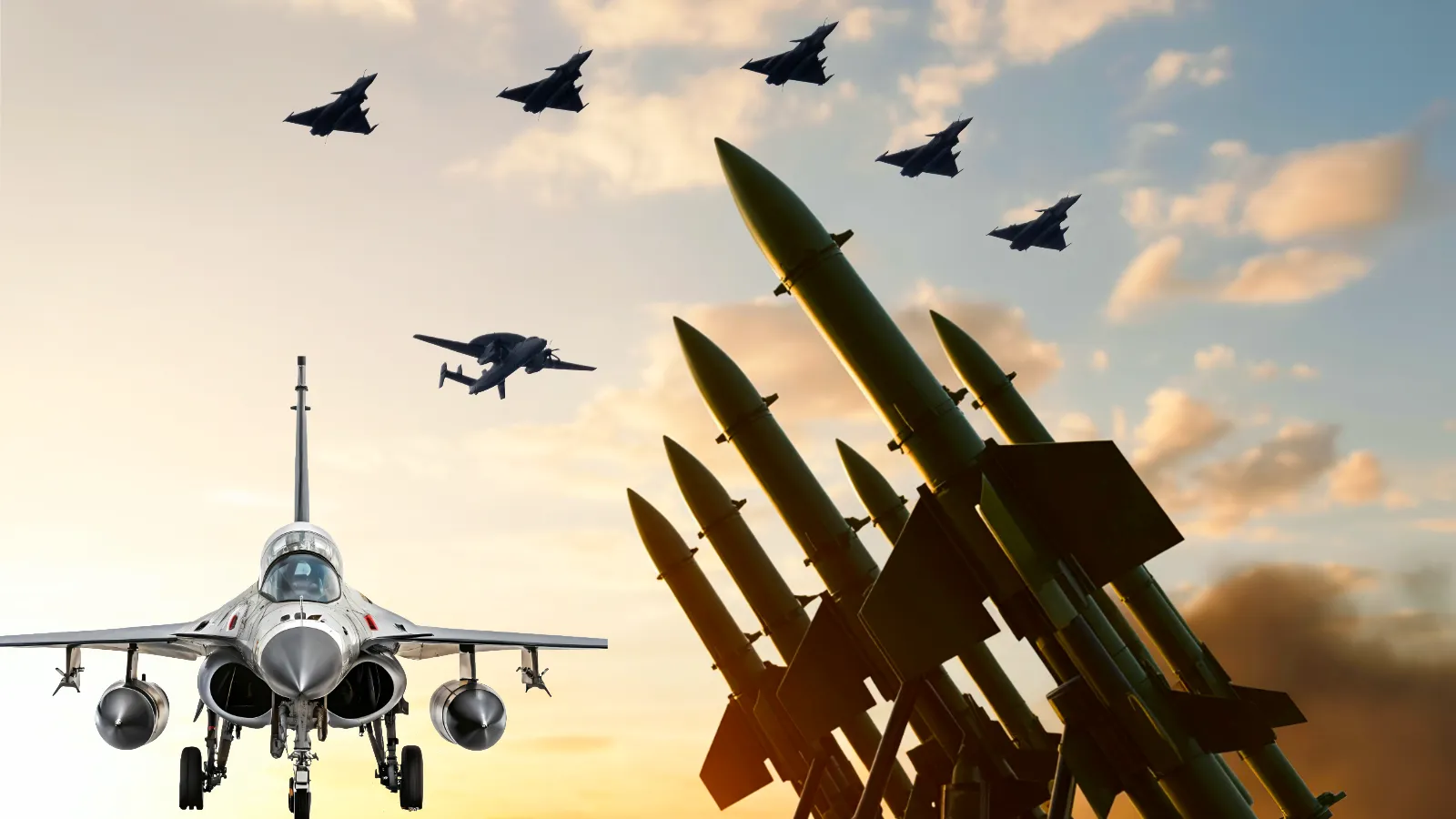
India’s defence budget 2027 is becoming a major strategic talking point amid rising global tensions and regional power competition.With the 2026–27 defence outlay already at an all‑time high of ₹7.85 lakh crore, the next budget is likely to lock in a decade‑long trajectory of higher capex, indigenous capability, and a sharper Indo‑Pacific‑facing posture.
India’s Defence Budget 2026–27 has already reset the expectations threshold: at ₹7.85 lakh crore, it marks the highest‑ever allocation to the Ministry of Defence, an increase of roughly 15% over the previous year and the largest share of central government expenditure among all ministries. That is not the end of the arc; for strategists, policymakers, and defence‑industrial players, the next financial year’s budget is more about consolidating a long‑run course than announcing a one‑off “shock‑and‑awe” spend.
1. A 2%‑GDP, multi‑year capex ramp‑up
Despite the headline‑grabbing figures, India still spends about 2% of GDP on defence, below the United States, China, and Russia but ahead of many European middle powers. Fiscal‑analysis notes from EY, PwC, and parliamentary‑analysis groups expect the next budget to keep that 2% band while steadily increasing the real‑rupee envelope, reflecting an “affordable‑but‑sustained” view rather than a breakneck over‑build‑up.
For The Eastern Strategist’s readers, this implies:
- A multi‑year capex‑dominated cycle, with projects such as fighter‑jet, submarine, and LCH‑class helicopter portfolios planned in 5–10‑year tranches rather than ad‑hoc, one‑time approvals.
- Tight prioritisation: more money, but not enough to fund everything at once, so planners will likely keep “critical‑ity” and “threat‑front” (China‑Pakistan, Eastern‑Theatre‑specific assets) at the top of the list.
2. Capital‑heavy modernisation, not salary‑inflation
The 2026–27 budget already earmarked about 28% of the total defence outlay for capital expenditure, with roughly ₹2.19 lakh crore tagged to modernisation, while revenue‑type spending (including pensions) occupied the rest. Industry‑and‑finance commentators expect the defence budget 2027 to lift the capital‑share modestly or at least keep it flat, especially to fund.
- Air‑force and naval‑fleet modernisation (Rafale‑family, LCH‑type, drones, and submarines under Project 75‑I).
- Indigenous tank, artillery, and protected‑mobility programmes tied to contemporary‑warfare lessons from Ukraine‑style attrition.
Strategically, that signals a shift from a “manpower‑centric” to an “equipment‑centric” model, with a sharper tilt toward high‑end systems for the eastern and northern theatres and India‑Ocean‑facing naval‑surface platforms.
3. Aatmanirbhar Bharat and the defence‑industrial ecosystem
The 2026–27 budget doubled down on the “Aatmanirbhar Bharat” pitch for defence, already raising DRDO funding by about ₹2,300–2,400 crore and earmarking a large share toward capital projects, while relaxing customs duties on raw materials for aircraft‑MRO‑linked manufacturing. The next fiscal is likely to:
- Extend or deepen import‑substitution incentives for sensors, missile‑components, and UAVs, building on the three‑fold expansion of domestic defence manufacturing over the last decade.
- Strengthen vendor‑development and MSME linkages, with special funds or tax‑like nudges for private‑sector firms and defence‑tech start‑ups supplying to the Northern and Eastern Commands.
For your Eastern‑theatre‑focused readers, this is a structural story: India is not just buying foreign hardware; it is building a technology‑linked industrial‑base that can support future‑warfare demands and export potential in Southeast Asia and the Indian Ocean littoral.
4. R&D, drones, and “future‑warfare” line items
The 2026–27 envelope already raised DRDO‑linked capital‑R&D and will keep UAVs, electronic warfare, and secure comms high on the list. Officials and analysts anticipate the next budget to:
- Boost allocations for anti‑drone systems, long‑range surveillance UAVs, and AI‑enabled EW suites, aligning with post‑Ukraine‑era doctrine and Pakistan‑facing‑drone‑threat‑scenarios.
- Encourage joint R&D partnerships with university‑labs, private‑tech hubs, and select foreign partners, while keeping critical‑technology‑governance controlled.
That incremental push matters for firms like HAL, BEL, L&T Defence, and niche electronics‑UAV makers, because it promises long‑run order‑book visibility rather than one‑off spikes.
5. Geopolitical signalling in the Indo‑Pacific
Because Many readers see budgets through the lens of strategic signalling, the defence budget 2027 will matter less for the headline percentage and more for the message it sends to:
- China and Pakistan, via the visible rise in capital‑intensive platforms, LCH‑type high‑altitude‑warfare assets, and Andaman‑Nicobar‑linked naval‑modernisation.
- ASEAN and Indian Ocean partners, via a stronger defence‑export and co‑development posture, especially in drones, surveillance, and surface‑combatants.
The 2026–27 budget already framed defence as “future‑ready for a new India”; the defence budget 2027 is likely to refine that into a clearer Indo‑Pacific‑forward posture, with a heavier emphasis on eastern‑theatre‑ready, joint‑service‑oriented platforms.
For India, the next defence budget is less about headline‑grabbing percentages and more about locking in a long‑run rhythm of higher capex, indigenous capability, and a sharper Indo‑Pacific‑facing profile—for strategists, that is the most credible kind of military‑readiness signal.