
Ho Chi Minh City, 23 June: A $375 million battery of BrahMos supersonic cruise missiles now sits with the Philippine Marine Corps, and another $600 million package of the exact same hardware is quietly moving toward Vietnam.
These BrahMos ship-killers, capable of flying at three times the speed of sound, share a glaring geopolitical contradiction: they are jointly manufactured by India and Russia, yet they are being bought for the explicit purpose of targeting Chinese vessels in the South China Sea. While Moscow and Beijing frequently emphasize their strategic alignment, Russian engineers and Indian capital are actively equipping Southeast Asia against Chinese maritime expansion. Russia is clearly refusing to let its partnership with Beijing dictate its lucrative defense exports, prioritizing hard currency and military-industrial momentum over ideological solidarity.
The tactical reality for countries like Vietnam, the Philippines, and Indonesia is dictated by geography and industrial limits. Trillions of dollars in global trade pass through the South China Sea annually, flowing west toward the Strait of Malacca—the critical economic lifeline that Beijing itself identifies as a strategic vulnerability.
As Chinese coast guard vessels increasingly pressure energy exploration sites and territorial features like Scarborough Shoal and the Spratly Islands, regional capitals recognize they lack the domestic industrial base to match China’s naval tonnage. Instead, they are adopting asymmetric coastal defense strategies. By procuring Mach-3 cruise missiles, these nations aim to turn contested maritime choke points into high-risk environments, drastically raising the operational costs of naval coercion.
India Warships in Vietnam
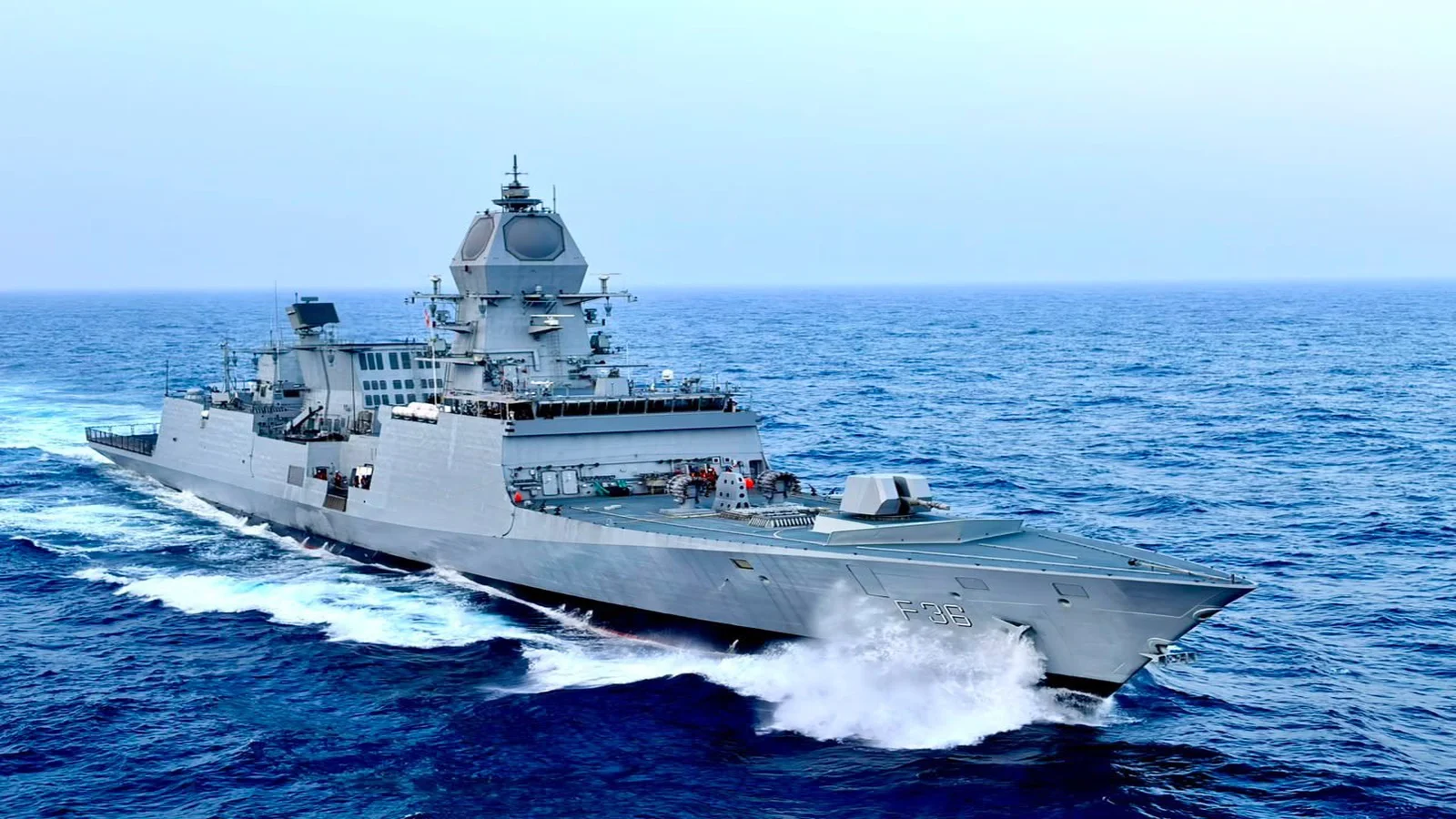
New Delhi is actively facilitating this shift, abandoning its decades-old reliance on soft diplomacy and trade connectivity in Southeast Asia. The recent deployment of the Indian warships INS Udaygiri and INS Kavaratti to Ho Chi Minh City served as a physical demonstration of a hardening security architecture. Rather than pursuing formal, time-consuming mutual defense treaties, India and these Southeast Asian states are building a pragmatic network anchored by immediate defense technology transfers and operational interoperability.
BrahMos Missile is Changing the Game in the South China Sea
The engineering behind the BrahMos system explains why these nations are buying it. It is not just a fast missile; The BrahMos anti-ship missile capability enables small, mobile platforms to deliver a precision, supersonic strike that can overwhelm and neutralize modern naval defense grids. it is a specialized maritime assassin designed to overwhelm modern defense grids. Operating well beyond the radar horizon, the weapon employs an inertial navigation system for mid-course flight before switching to an active homing radar seeker for the terminal kill. This allows coastal batteries or small frigates to strike targets long before they are visually detected.
What truly terrifies naval planners is the system’s salvo capability. A single battery can launch multiple BrahMos supersonic cruise missiles within short intervals, programming them to fly completely different trajectories before converging simultaneously on a single target or a spread of ships. This multi-axis saturation attack is specifically designed to pierce the automated anti-missile defenses of modern destroyers. Whether launched from a static coastal battery or a moving maritime platform, the missile’s intelligent flight profile makes detection and interception nearly impossible.
The physical hardware maximizes deployment options. The Universal Vertical Launcher Module allows the missile to be concealed below the deck of a warship, maintaining stealth while offering a true 360-degree, independent strike radius. For smaller vessels lacking vertical space, the quadruple inclined launcher packs four Mach-3 missiles onto tight decks.
This flexibility means Southeast Asian nations do not need heavy cruisers to project lethal power. They can mount these systems on smaller, cheaper vessels or mobile land batteries, instantly converting limited naval real estate into an asymmetric threat capable of shattering a localized naval blockade.
With Indonesia lining up as the next likely buyer,the potential for a BrahMos missile deal with Indonesia are steadily spreading across the corridors linking the Pacific and Indian Oceans.
The massive tonnage of the Chinese fleet still dictates the daily operational tempo across these disputed waters, and Beijing continues to deploy more ships than all its neighbors combined. However, the unchecked proliferation of advanced coastal defense systems guarantees that absolute maritime control will no longer come cheap. Southeast Asia is settling into a volatile, heavily armed standoff where coastal geography is backed by immediate, localized deterrence.

1 thought on “How India’s BrahMos Missile is Changing the Game in the South China Sea”