France’s push for a UN Security Council discussion is not really about a medieval fortress. It is about what Israel’s capture of Beaufort Castle may signal for the future of the Israel-Hezbollah conflict, Lebanon’s stability, and the wider Middle East.
Israel’s seizure of Beaufort Castle on May 30 has quickly evolved from a battlefield development into a diplomatic issue. While the fortress carries nearly 900 years of military history, French officials appear increasingly concerned about the broader strategic implications of the operation.
Why Is France Concerned About Israel’s Capture of Beaufort Castle?
For Paris, the central question is not the castle itself but what comes next.
French policymakers worry that the operation could signal:
- A deeper Israeli military presence inside Lebanon
- The emergence of a new security zone north of the border
- Increased risks of confrontation with Hezbollah
- Greater chances of regional escalation involving Iran
- Reduced space for diplomatic de-escalation efforts
France has long maintained close political and diplomatic ties with Lebanon and sees stability in the country as critical to security in the eastern Mediterranean.
Why Has France Pushed for a UN Security Council Discussion?
France believes the situation could develop into a broader international security issue.
A Security Council discussion allows major powers to:
- Assess the risk of escalation
- Evaluate humanitarian consequences
- Review regional security implications
- Increase diplomatic pressure on all parties
- Prevent a localized conflict from expanding
For Paris, early diplomatic engagement is preferable to reacting after a wider crisis has already emerged.
Why Are Some NATO Allies More Alarmed Than the United States?
The responses from Western governments have not been identical.
While the United States continues to emphasize Israel’s security concerns and the need to avoid wider regional conflict, several European governments have expressed stronger public concern regarding developments in southern Lebanon.
European concerns largely center on:
- Regional stability
- Civilian displacement
- Lebanese state fragility
- Risks of prolonged military operations
- Potential involvement of additional regional actors
This does not necessarily indicate a policy split between allies, but it highlights different strategic priorities.
When and How Did Israel Capture Beaufort Castle?
Israeli forces captured Beaufort Castle on May 30, 2026, following a multi-day military operation.
According to Israeli accounts, the operation involved:
- Air strikes against Hezbollah-linked positions
- Artillery support
- Ground advances toward the Beaufort Ridge
- Securing elevated observation points overlooking southern Lebanon
The operation became notable because it represented one of Israel’s most significant advances inside Lebanon in years.
Why Does Beaufort Castle Matter Militarily?
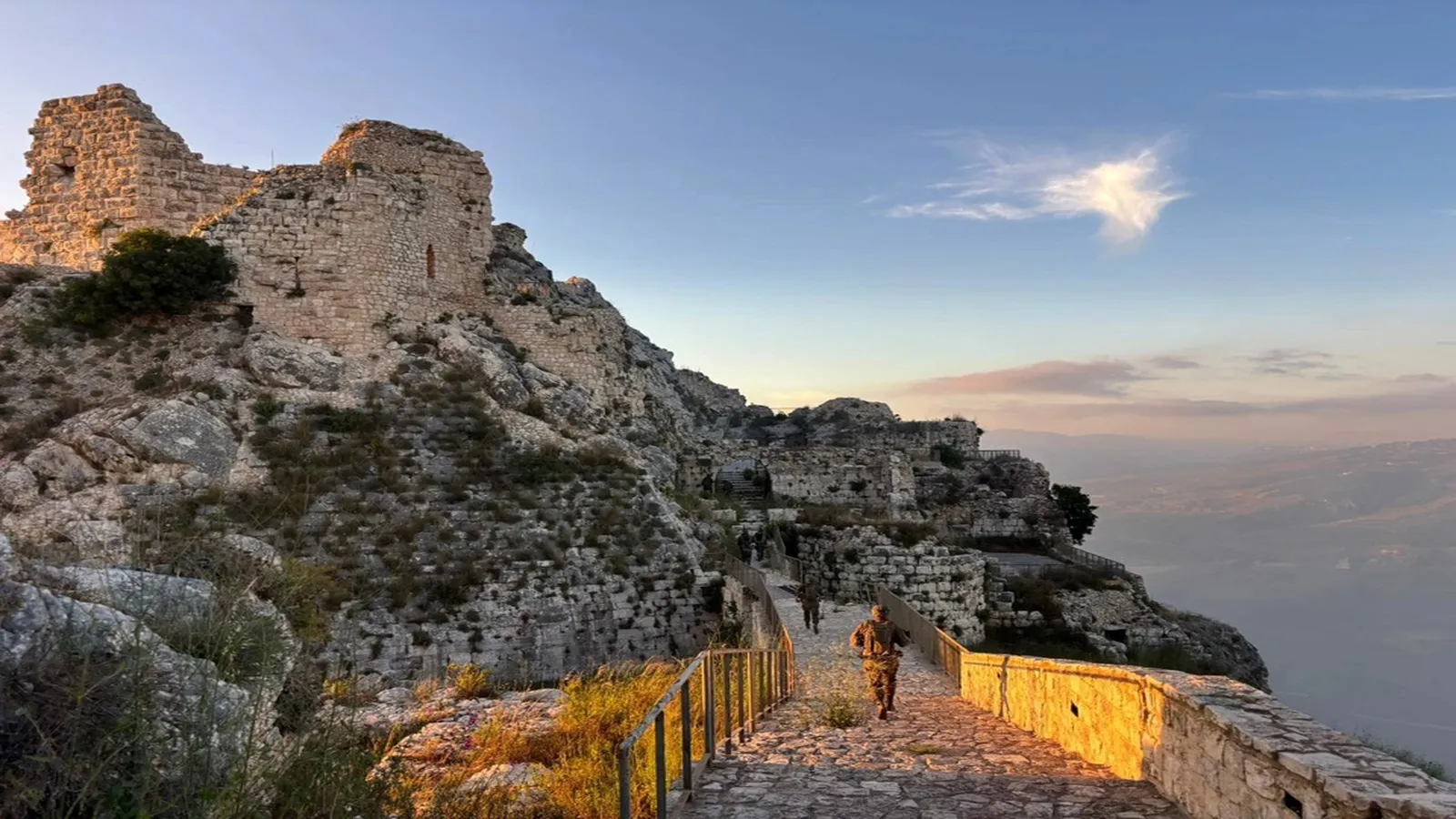
The fortress occupies one of the most strategically important positions in southern Lebanon.
Key Military Advantages
- Approximately 700 metres above sea level
- Overlooks the Litani River basin
- Provides observation across large sections of southern Lebanon
- Monitors approaches toward northern Israel
- Controls terrain historically used for military operations
Military planners have valued the site for centuries because it offers both visibility and defensive advantages.
What Is the History of Beaufort Castle?
Known locally as Qal’at al-Shaqif (“Castle of the High Rock”), Beaufort has changed hands repeatedly throughout Middle Eastern history.
Major Historical Milestones
- 1139: Built by Crusader rulers
- 1190: Captured by Saladin’s forces
- 1268: Conquered by the Mamluks
- Ottoman era: Gradual decline in military importance
- 1970s–1982: Used by the PLO
- 1982: Captured by Israeli forces during the First Lebanon War
- 2000: Returned to Lebanese control following Israel’s withdrawal
- 2000–2026: Area increasingly associated with Hezbollah
- 2026: Captured again by Israeli forces
For nearly nine centuries, the fortress has remained a symbol of whoever controls southern Lebanon’s strategic high ground.
What Does the Capture Mean for the Wider Middle East?
This is the question driving international concern.
Analysts are closely watching whether Beaufort Castle becomes:
- A temporary battlefield gain
- A component of a larger Israeli security strategy
- A trigger for increased Hezbollah retaliation
- A new source of diplomatic tension at the United Nations
For France, the concern is clear.
The issue is not that a medieval fortress has changed hands. It is that the capture of Beaufort Castle could signal a broader shift in the conflict between Israel and Hezbollah, with consequences extending far beyond southern Lebanon.
Key Takeaways
- France’s concern is strategic, not historical.
- The debate centers on regional escalation, not the fortress itself.
- Beaufort Castle’s location gives it significant military value.
- The operation has revived questions about Israel’s long-term intentions in Lebanon.
- Paris wants the UN Security Council involved before the conflict becomes harder to contain.
Frequently Asked Questions (FAQ)
1. What is Beaufort Castle and why is it important?
Beaufort Castle, known in Arabic as Qal’at al-Shaqif (“Castle of the High Rock”), is a medieval fortress in southern Lebanon built by Crusaders in the 12th century. Its strategic location overlooking the Litani River basin has made it a prized military position for nearly 900 years, serving successive rulers from the Crusaders and Saladin to modern armed groups.
2. Why did Israel capture Beaufort Castle in 2026?
Israel says the operation was aimed at neutralizing threats from Hezbollah positions operating near the border. The fortress sits on one of southern Lebanon’s most important ridgelines, providing extensive observation over surrounding areas. Israeli officials argue that controlling such terrain improves security along Israel’s northern frontier.
3. Why is France calling for a UN Security Council discussion?
France is concerned that the operation could signal a broader escalation of the Israel-Hezbollah conflict. Paris fears that deeper military activity inside Lebanon may increase the risk of regional instability, humanitarian consequences, and a wider confrontation involving other actors, including Iran.
4. Could the capture of Beaufort Castle lead to a wider Middle East conflict?
The castle itself is unlikely to determine the course of the conflict. However, analysts are closely watching whether the operation represents a temporary tactical move or part of a larger strategic shift. If fighting intensifies between Israel and Hezbollah, regional tensions could increase, drawing greater international diplomatic attention and raising the risk of broader escalation.
[metaslider id=”6652″]
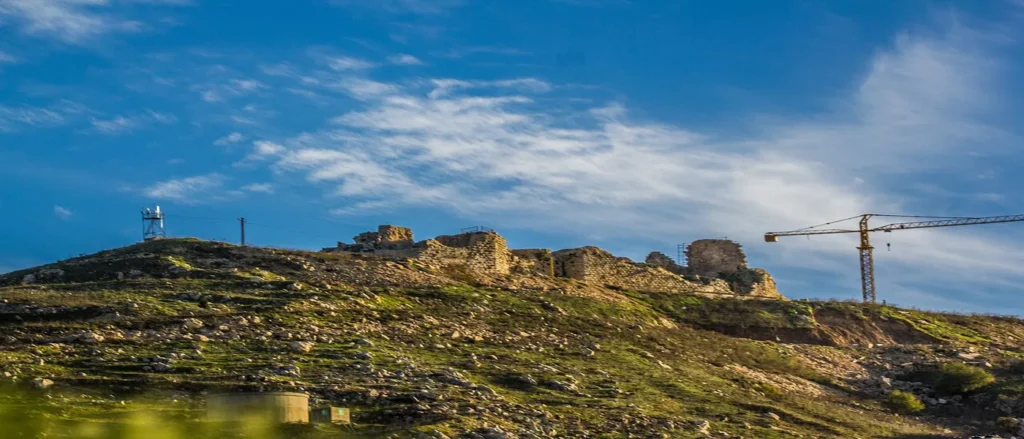
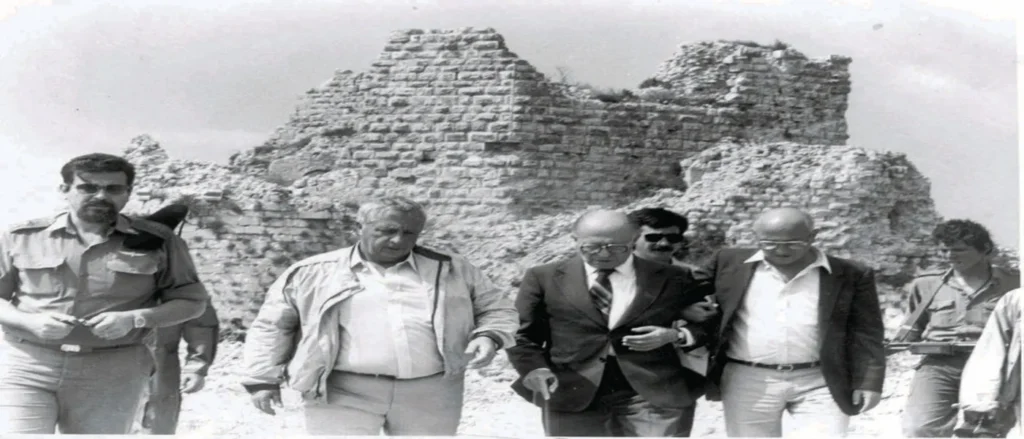
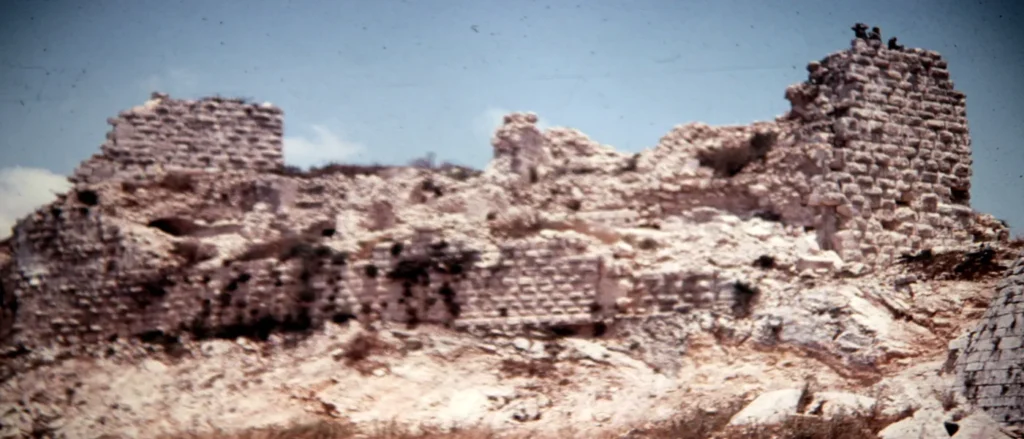
Views of Beaufort Castle (Qal’at al-Shaqif), the 12th-century fortress overlooking southern Lebanon that has stood at the crossroads of history, warfare, and empire for nearly 900 years.
Conclusion
The battle for Beaufort Castle is about far more than a historic fortress overlooking southern Lebanon. For France and several of its European partners, the operation raises a larger strategic question: whether Israel’s campaign against Hezbollah is evolving into a deeper and potentially longer-term military presence inside Lebanon. That possibility carries implications not only for Lebanon’s stability but also for regional security, diplomatic efforts, and the risk of a broader confrontation involving Hezbollah, Iran, and other regional actors. By pushing the issue to the UN Security Council, France is signaling that the international debate is no longer about who controls a medieval castle. It is about whether the Middle East is witnessing the early stages of a new and more dangerous phase in the Israel-Hezbollah conflict.