
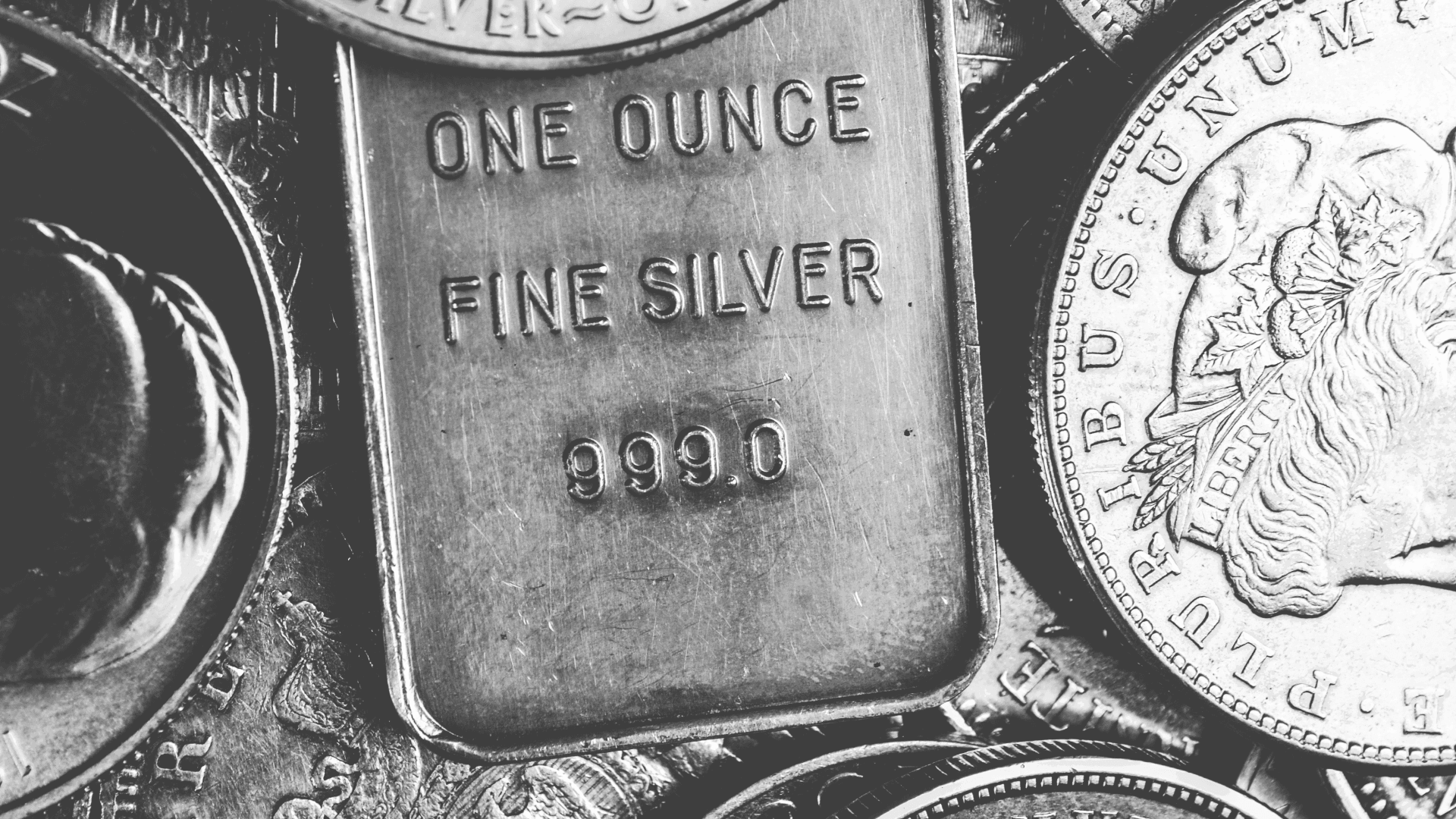
MARKETS • COMMODITIES • PRECIOUS METALSSilver Price Today: Why Is Silver Falling Today?
Silver prices remain under pressure as investors reassess Federal Reserve policy, Treasury yields and the US dollar.
Executive Summary
Silver prices have retreated below recent highs as investors reassess expectations for U.S. monetary policy, Treasury yields and the strength of the U.S. dollar. Although the short-term outlook has weakened due to hawkish Federal Reserve expectations, the long-term investment case remains supported by rising industrial demand from solar energy, electric vehicles and artificial intelligence infrastructure. The recent correction appears to reflect changing macroeconomic expectations rather than a deterioration in silver’s structural fundamentals.
Market Snapshot
| Indicator | Value |
|---|---|
| Silver Price | ~$58.60/oz |
| Daily Change | -1.3% |
| Short-Term Trend | Bearish |
| Long-Term Outlook | Constructive |
| Primary Driver | Federal Reserve Expectations |
| Industrial Demand | Strong |
Key Takeaways
- Silver has corrected as investors price in higher-for-longer
- U.S. interest rates.Rising Treasury yields and a stronger
- U.S. dollar continue to pressure precious metals.I
- ndustrial demand from renewable energy, electric vehicles and AI infrastructure remains resilient.
- Global supply deficits continue to support the long-term investment thesis.
- Analysts expect volatility to persist until markets gain greater clarity on Federal Reserve policy.
Why It Matters
Silver’s recent weakness should not be interpreted solely as a deterioration in the metal’s long-term prospects. Precious metals are highly sensitive to changes in real interest rates and the U.S. dollar, meaning monetary policy often dominates short-term price action. However, unlike previous commodity cycles, silver now benefits from powerful structural demand linked to the global energy transition and advanced technology manufacturing. Investors therefore need to distinguish between cyclical macroeconomic pressures and long-term industrial consumption trends when evaluating silver’s outlook.
Why Is Silver Falling Today?
The immediate catalyst behind silver’s decline is a combination of higher U.S. Treasury yields, expectations that the Federal Reserve could maintain restrictive monetary policy for longer and renewed strength in the U.S. dollar.
Because silver does not generate income, higher bond yields increase the opportunity cost of holding the metal. As investors shift capital toward interest-bearing assets, precious metals often face selling pressure.
Recent economic data suggesting persistent inflation and resilient economic activity have reinforced expectations that policymakers may delay interest-rate cuts, weighing on both gold and silver.
Federal Reserve Policy Remains the Largest Driver
Markets continue to closely monitor every signal from Federal Reserve officials regarding inflation and interest-rate policy.
A more hawkish stance generally strengthens the U.S. dollar while pushing Treasury yields higher—two factors that historically create headwinds for silver.
Until inflation shows a sustained decline or policymakers indicate a clearer path toward monetary easing, silver prices are likely to remain sensitive to macroeconomic data releases.
Industrial Demand Continues to Support Silver
Despite weaker investor sentiment, silver’s industrial demand remains one of its strongest long-term advantages.
Silver plays a critical role in:
- Solar photovoltaic panels
- Electric vehicles
- Semiconductor manufacturing
- AI data-center infrastructure
- Consumer electronics
- Medical technologies
As governments and corporations continue investing in clean energy and digital infrastructure, industrial consumption is expected to remain robust over the coming years.
Supply Constraints Continue
Mine production has struggled to keep pace with growing industrial demand in recent years.
Several market studies indicate that the silver market has experienced recurring supply deficits, limiting the availability of newly mined metal.
While these shortages may not prevent short-term corrections, they continue to provide structural support for prices over longer investment horizons.
Analyst View
Many commodity analysts believe silver’s correction reflects macroeconomic positioning rather than weakening fundamentals.
Several institutions continue to maintain constructive medium- to long-term outlooks, citing:
- Persistent industrial demand
- Tight physical supply
- Energy transition investment
- AI-related infrastructure expansion
However, analysts also caution that price volatility is likely to remain elevated until interest-rate expectations stabilize.
Strategic Outlook
Silver remains caught between two competing forces.
In the short term, restrictive monetary policy, elevated Treasury yields and a strong U.S. dollar could continue to pressure prices.
Over the longer term, accelerating industrial demand, recurring supply deficits and expanding investment in renewable energy and advanced manufacturing continue to support a constructive outlook.
For long-term investors, periods of heightened volatility may offer opportunities to accumulate exposure, provided macroeconomic risks are carefully monitored.
Frequently Asked Questions
Why is silver falling today?
Silver is declining primarily because stronger U.S. Treasury yields, a firmer U.S. dollar and expectations of prolonged restrictive Federal Reserve policy have reduced investor demand for precious metals.
Is silver still a good long-term investment?
Many analysts believe silver continues to benefit from structural demand generated by renewable energy, electric vehicles, artificial intelligence infrastructure and electronics manufacturing.
What could cause silver prices to recover?
A softer Federal Reserve stance, declining Treasury yields, a weaker U.S. dollar and continued industrial demand could support future price recovery.
Is silver more volatile than gold?
Yes. Silver typically experiences larger price swings because it functions both as a precious metal and an industrial commodity.
Related Analysis
Readers interested in precious metals and global markets may also find these TES analyses useful: