Holding BEL, HAL, BDL or Mazagon Dock? Here’s Why the Latest ₹52000 Crore DAC Approval Matters
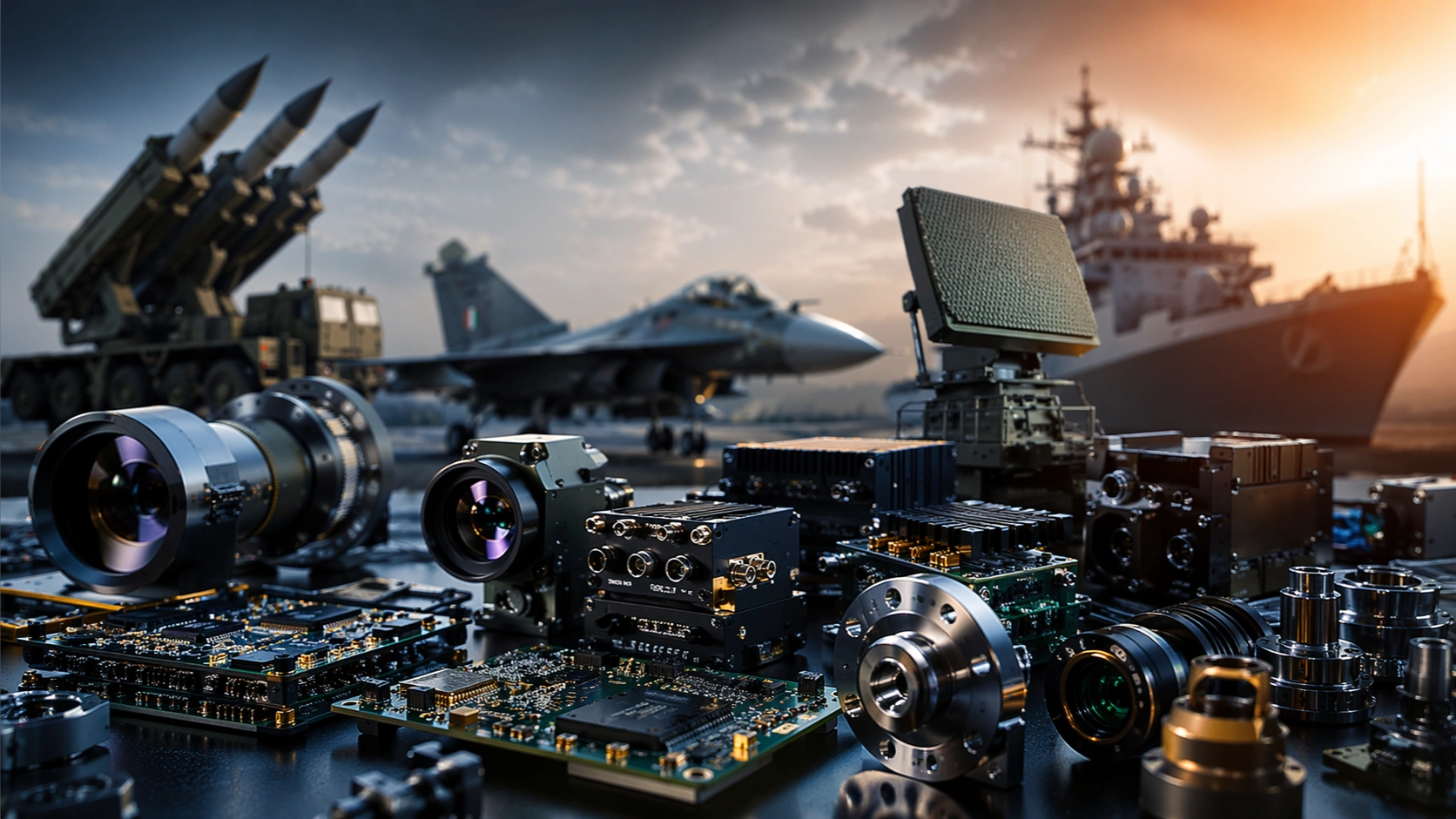
If your portfolio includes Bharat Electronics (BEL), Hindustan Aeronautics (HAL), Bharat Dynamics (BDL), Mazagon Dock Shipbuilders or other defence stocks, the Defence Acquisition Council’s (DAC) latest ₹52,000 crore approval deserves attention. The approved programmes span electronic warfare, air defence systems, missile technologies, kamikaze drones, naval unmanned platforms and high-altitude surveillance. These are precisely the segments where several listed Indian defence companies already have established capabilities.
For investors, the real question isn’t whether defence spending is increasing. That trend has been evident for years. The bigger question is which companies are best positioned to convert India’s expanding defence pipeline into future contracts, stronger order books and sustained earnings growth.
In this analysis, we examine what the ₹52,000 crore approval actually means, why it is an important signal for the defence sector, and which listed companies investors are likely to watch in the coming weeks.
A Strong Signal for India’s Defence Sector
The ₹52,000 crore DAC approval sends a clear message: defence modernisation remains one of the Government’s highest priorities.
Over the past few years, the Defence Acquisition Council has consistently approved major capital acquisition proposals covering fighter aircraft, missiles, artillery, naval platforms, air defence systems, electronic warfare and indigenous military technologies. Rather than one-off announcements, these approvals have steadily expanded India’s long-term defence procurement pipeline.
The latest package continues that momentum. The Army will procure systems including AKASH TARANG anti-drone electronic warfare systems, MPATGM, MRSAM, V-SHORADS, Active Protection Systems for tanks and jet-based kamikaze drones. The Navy will strengthen its capabilities through Naval Shipborne Unmanned Aerial Systems (NSUAS), Multi Influence Ground Mines (MIGM) and a testing facility for electric propulsion systems, while the Air Force will add Fixed-Wing High Altitude Pseudo Satellites (FW-HAPS) for long-endurance surveillance.
For established defence PSUs, this reinforces a long-term trend rather than creating a short-term opportunity. BEL, HAL and Bharat Dynamics (BDL) already have substantial order books backed by earlier contracts. The latest AoN approvals do not immediately add revenue, but they expand the pipeline of future programmes that will eventually move through tendering, contract awards and production.
Why the Latest ₹52000 Crore DAC Approval Matters
markets closely monitor AoN approvals because they provide an early indication of where future government spending is likely to be concentrated.
For investors, the latest approvals reinforce continued demand across several high-growth defence segments:
- Air defence systems
- Missile technologies
- Electronic warfare
- Counter-drone capabilities
- Defence electronics
- Autonomous platforms
- Surveillance and ISR technologies
Companies with expertise in these areas are likely to remain on investors’ watchlists as individual programmes move closer to contract awards.
Defence Stocks to Watch in the Coming Days
While Monday’s market reaction will depend on broader sentiment, several defence companies are expected to remain in focus because of their exposure to India’s long-term modernisation programme.
Bharat Electronics (BEL)
BEL remains one of India’s most diversified defence companies, with strong capabilities in radar systems, electronic warfare, communication systems and integrated air-defence solutions.
The DAC’s emphasis on electronic warfare, counter-drone capabilities and layered air defence aligns closely with BEL’s core business areas. Although the stock has largely moved sideways in recent months despite maintaining a healthy order book, investors will watch whether fresh procurement activity translates into new order announcements in the coming quarters.
Hindustan Aeronautics (HAL)
HAL’s long-term investment case extends beyond the latest DAC approvals.
One of the biggest triggers investors continue to monitor is the LCA Tejas Mk1A programme and the timely supply of engines from GE Aerospace. Faster engine deliveries could accelerate aircraft production, improve execution timelines and strengthen revenue visibility.
Alongside upcoming fighter aircraft programmes and helicopter production, progress on the Tejas Mk1A project remains one of the most important catalysts for HAL over the next few years.
Bharat Dynamics (BDL)
Despite India’s continued focus on missile modernisation, BDL’s share price has remained under pressure after an exceptional rally.
The latest DAC approvals covering missile systems, air defence and anti-tank guided weapons reinforce the long-term demand outlook for missile manufacturers. Investors will now watch whether these approvals evolve into fresh contracts that can further strengthen BDL’s sizeable order pipeline.
Mazagon Dock Shipbuilders
Mazagon Dock’s direct exposure to the latest approvals may be lower than companies focused on missiles or defence electronics, but the government’s continued emphasis on naval modernisation remains encouraging.
The approvals for Naval Shipborne Unmanned Aerial Systems, sea-denial capabilities and future naval technologies indicate that maritime capability development continues to be a strategic priority. Investors will closely watch upcoming naval procurement programmes that could support future order inflows.
Data Patterns
Data Patterns remains one of the strongest performers in India’s defence sector.The company has already delivered impressive returns, reflecting investor confidence in defence electronics, avionics, sensors and mission-critical systems. As surveillance, electronic warfare and intelligence capabilities receive greater policy attention, Data Patterns remains well positioned within one of the fastest-growing segments of India’s defence ecosystem.
The Bigger Picture
The ₹52,000 crore DAC approval is more than another procurement announcement. It reinforces a consistent pattern seen over the past several years—India continues to invest heavily in indigenous defence capabilities across land, sea and air.
For investors, the immediate focus may be on Monday’s share price movement. The more important story, however, lies in the expanding procurement pipeline. As these programmes move from Acceptance of Necessity to tenders, contracts and execution, they have the potential to shape the order books of India’s leading defence companies for years to come.
The coming weeks are unlikely to answer every question. But one thing is increasingly clear: defence remains one of the government’s highest strategic priorities, and companies with proven execution capabilities, strong technology portfolios and established relationships with the armed forces are likely to remain at the centre of India’s long-term defence growth story.

1 thought on “₹52000 Crore DAC Approval Puts Defence Stocks in Focus: What It Could Mean for BEL, HAL, BDL and Mazagon Dock”