
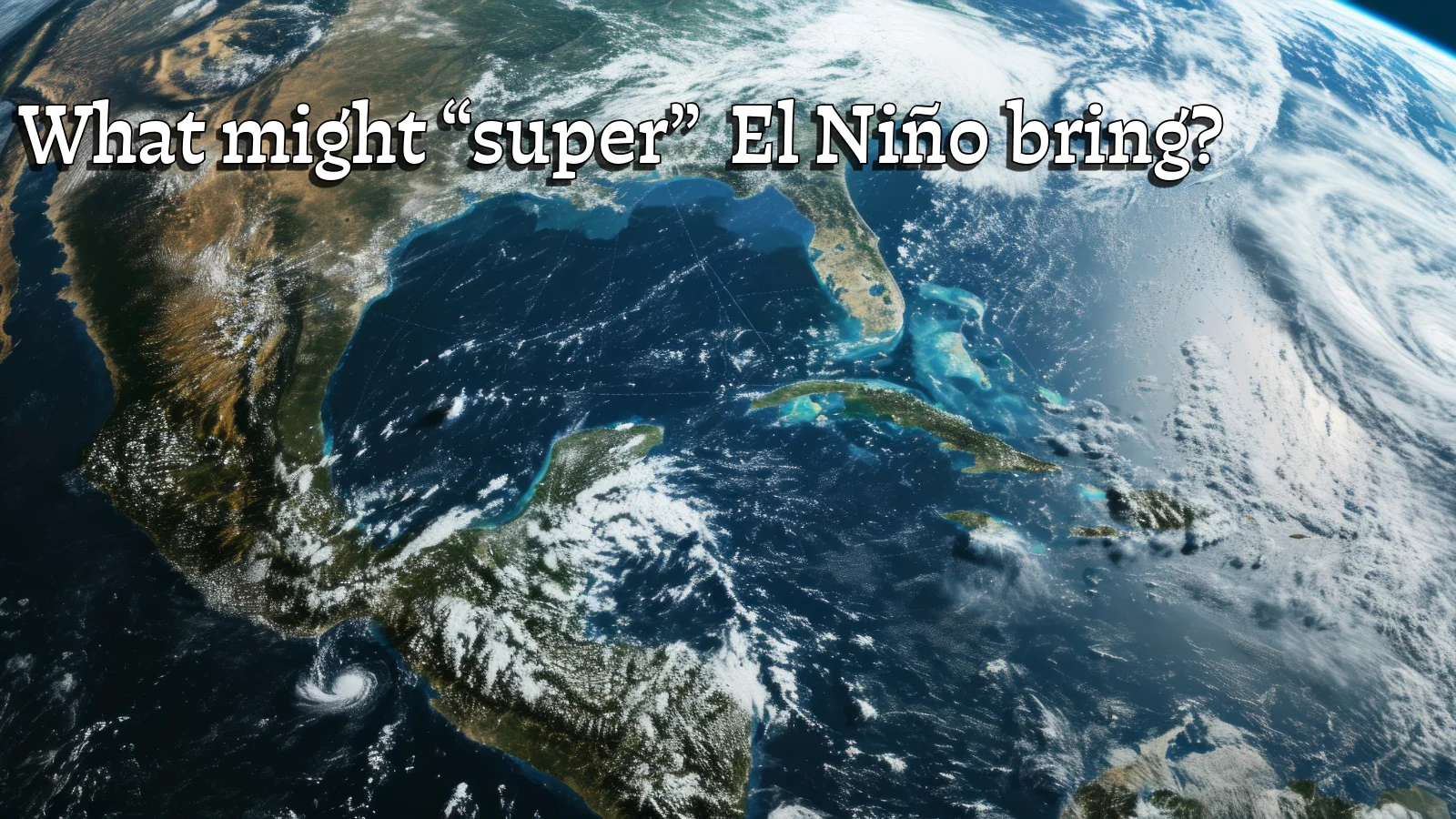
As global markets grapple with rising geopolitical tensions and volatile oil prices, UN forecasts 80% chance of El Nino emerging between June and August as Pacific waters warm. Developing El Niño climate pattern threatens to add another layer of inflationary pressure. By disrupting agricultural production, increasing energy demand, and amplifying extreme weather events, El Niño could complicate the fight against inflation just as policymakers hoped for relief.
Why It Matters
The world may be entering a period where geopolitical conflict and climate disruption reinforce each other.
A prolonged Middle East crisis can push up energy costs. A strong El Niño can raise food prices. Together, these forces risk creating a new inflation cycle that affects consumers, central banks, businesses, and financial markets across both developed and emerging economies.
For countries like India, which remain heavily dependent on monsoon-driven agriculture, the implications extend beyond economics into food security, rural livelihoods, and political stability.
The Emerging Double Threat to Global Inflation
Just as central banks were beginning to gain ground against post-pandemic inflation, two major risks have returned to the forefront of global economic planning.
The first is geopolitical.
Conflict and instability across the Middle East have kept oil markets on edge. Any disruption to production or shipping routes can rapidly increase crude prices, feeding through to transportation, manufacturing, and consumer costs worldwide.
The second is environmental.
Meteorological agencies are warning that El Niño conditions are likely to develop during 2026, raising concerns about droughts, heatwaves, flooding, and agricultural disruption across multiple continents.
Individually, either risk would be significant.
Together, they could create a powerful inflationary combination.
What Is El Niño?
El Niño is a natural climate phenomenon that occurs when sea surface temperatures in the central and eastern Pacific Ocean become unusually warm.
These warmer waters alter atmospheric circulation patterns, affecting rainfall and temperatures across large parts of the world.
Historically, El Niño has been associated with:
- Drought conditions in parts of Asia and Australia
- Flooding in portions of North and South America
- Extreme heat events
- Reduced agricultural yields
- Increased wildfire risks
Scientists now warn that climate change is amplifying the effects of El Niño, meaning future events may generate greater economic disruption than those seen in previous decades.
Why India Is Particularly Vulnerable
India’s economic exposure to El Niño is larger than many advanced economies because agriculture continues to play a major role in employment, food supply, and rural consumption.
A weaker monsoon can trigger:
- Lower crop production
- Higher food inflation
- Reduced farm incomes
- Slower rural demand
- Increased government spending on relief measures
Food prices remain among the most politically sensitive economic indicators in India. Even modest disruptions in rainfall can quickly affect prices of rice, pulses, vegetables, and edible oils.
This is why Indian policymakers closely monitor Pacific Ocean temperature patterns months before the monsoon season begins.
How El Niño and Oil Prices Can Reinforce Each Other
Inflation becomes particularly difficult to manage when multiple supply-side shocks occur simultaneously.
Consider the chain reaction:
Rising Oil Prices
Higher crude prices increase:
- Transport costs
- Manufacturing expenses
- Electricity generation costs
- Fertilizer prices
El Niño-Driven Agricultural Stress
Reduced rainfall and extreme temperatures can lead to:
- Lower harvests
- Food shortages
- Livestock stress
- Water scarcity
When both occur together, consumers face rising prices across essential categories including fuel, food, and electricity.
For central banks, this creates a dilemma.
Interest-rate increases can reduce demand but cannot directly increase rainfall or lower geopolitical tensions.
Key Economic Risks
| Risk Factor | Potential Impact |
|---|---|
| Higher Oil Prices | Increased transportation and manufacturing costs |
| Weak Monsoon | Reduced agricultural output |
| Food Inflation | Pressure on household spending |
| Power Demand Surge | Higher electricity consumption during heatwaves |
| Slower Rural Demand | Reduced consumer spending growth |
| Central Bank Response | Delayed rate cuts or tighter monetary policy |
What Markets Are Watching
Investors are increasingly monitoring whether climate risks will become a recurring driver of inflation.
Several sectors could experience heightened volatility:
Agriculture and Food
Crop-sensitive commodities may react quickly to changing rainfall forecasts.
Energy Markets
Heatwaves can increase electricity demand while geopolitical tensions affect fuel supplies.
Consumer Goods
Companies dependent on rural consumption may face demand pressures if farm incomes weaken.
Financial Markets
Persistent inflation could influence bond yields, interest-rate expectations, and equity valuations.
Strategic Context: Climate Risk Is Becoming an Economic Risk
For years, climate events were often viewed as environmental concerns.
That distinction is fading.
Major investment firms, central banks, and governments increasingly treat climate disruptions as macroeconomic variables capable of influencing inflation, growth, fiscal policy, and national security.
El Niño is not merely a weather event.
It is a reminder that climate patterns now have the potential to shape economic outcomes at the same scale as geopolitical crises.
Frequently Asked Questions
What causes El Niño?
El Niño develops when sea surface temperatures in parts of the Pacific Ocean become warmer than normal, altering global weather patterns.
Does El Niño always cause drought in India?
Not always. However, El Niño has historically been associated with weaker monsoon performance and rainfall deficits in several years.
Why does El Niño affect inflation?
Reduced agricultural production can decrease food supply and increase prices, contributing to broader inflationary pressures.
Central banks can influence demand through interest rates, but they cannot directly address weather-related supply shocks.
Could El Niño affect global growth?
Yes. Severe climate disruptions can impact agriculture, energy consumption, trade flows, and consumer spending across multiple economies.
Strategic Outlook: A New Inflation Storm on the Horizon?
For much of 2026, policymakers and investors have focused on geopolitical tensions and the risk of higher energy prices. Yet another threat is now emerging from the Pacific Ocean.
A developing El Niño could weaken agricultural production, strain water resources, and push food prices higher across several regions of the world. For India, where the monsoon remains critical to food security and rural livelihoods, the risks are particularly significant. A weaker monsoon could translate into higher inflation, softer rural demand, and renewed economic pressure at a time when policymakers are trying to sustain growth.
The concern is not merely that oil prices may rise due to conflict, or that food prices may increase because of adverse weather. The greater risk is that both forces could strike simultaneously.
Higher energy costs raise transportation and production expenses. Poor harvests tighten food supplies. Together, they create the kind of inflationary environment that central banks struggle to address through monetary policy alone.
Whether El Niño ultimately develops into a severe climate event remains uncertain. What is clear, however, is that the global economy is increasingly vulnerable to the intersection of geopolitics and climate disruption. As governments monitor conflict zones and energy markets, they may soon find themselves watching Pacific Ocean temperatures with equal concern.
The next inflation shock may not come from a battlefield alone—it could also arrive with the weather.