Market is Watching Iran News as Fresh military exchanges, new U.S. sanctions and continued diplomatic contacts between Washington and Tehran have kept the Strait of Hormuz at the centre of global attention. As uncertainty persists, India is expanding its energy security measures while markets weigh the risk of a wider regional conflict.
The Middle East has entered another volatile chapter, but this time the story is no longer defined by military exchanges alone. The United States and Iran have resumed hostilities, fresh sanctions have been announced and commercial shipping through the Strait of Hormuz remains under pressure. Yet diplomatic contacts between Washington and Tehran continue, preventing financial markets from assuming that a prolonged regional conflict has become inevitable.
For India, every development in the Gulf carries immediate economic significance. As one of the world’s largest crude oil importers, the country remains highly exposed to disruptions in maritime trade, rising freight costs and energy price volatility. Those concerns have prompted New Delhi to strengthen emergency preparedness while monitoring diplomatic developments across the region.
Washington balances pressure with diplomacy
U.S. President Donald Trump has declared the ceasefire with Iran effectively over, accusing Tehran of violating previous understandings following renewed incidents involving commercial shipping in the Strait of Hormuz. Despite the sharper rhetoric, Washington has indicated that technical-level discussions with Iranian officials will continue through regional intermediaries.
The White House has simultaneously expanded economic pressure by announcing fresh sanctions targeting individuals and financial networks linked to Iran’s leadership. The move reinforces the administration’s strategy of combining diplomatic engagement with financial restrictions rather than abandoning negotiations altogether.
Iran has rejected suggestions that talks can continue under military pressure. Senior officials maintain that the country will defend itself if attacked while remaining willing to pursue dialogue provided earlier commitments are respected. Parliament Speaker Mohammad Bagher Ghalibaf has argued that negotiations require both sides to honour previous agreements before trust can be rebuilt.
Oman and Qatar have once again emerged as the principal diplomatic intermediaries, working to reduce tensions between Washington and Tehran. Their mediation has gained renewed importance because another military confrontation would affect not only regional security but also global trade, shipping and energy markets.
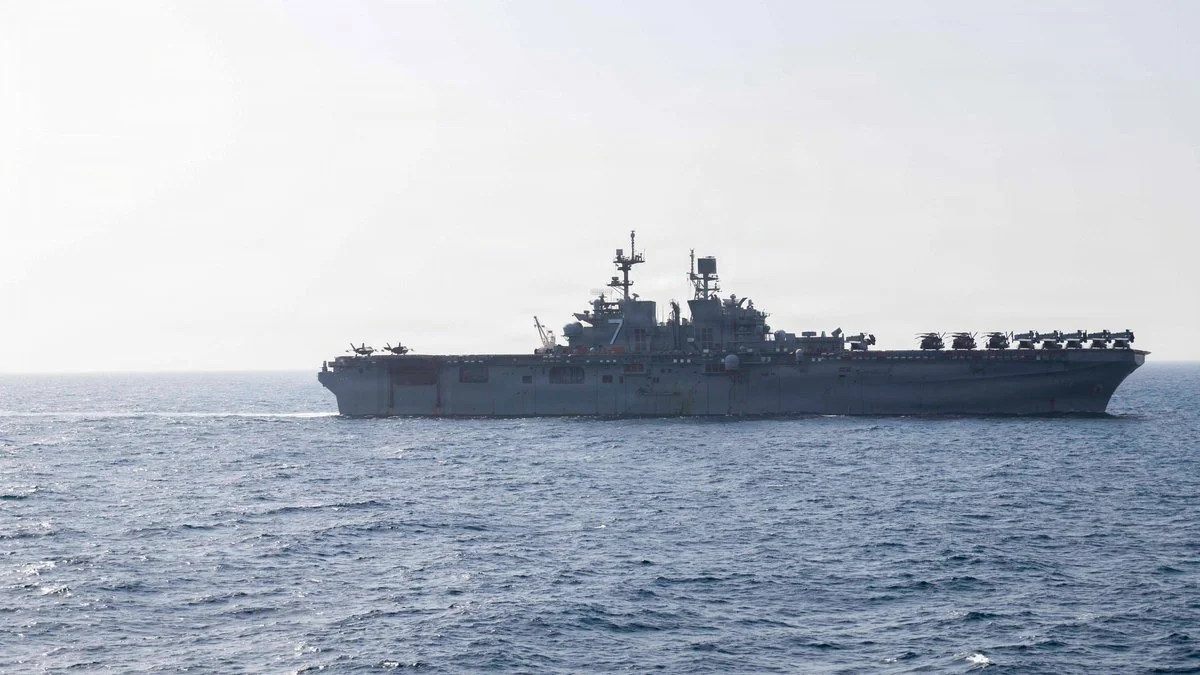
The Strait of Hormuz remains central to those discussions. Although commercial traffic continues, insurers, shipping companies and governments remain cautious as naval deployments increase across the Gulf. Earlier, The Eastern Strategist examined how the Hormuz toll dispute has expanded beyond military considerations to include shipping costs, maritime law and commercial risk.
Political developments inside Iran are also being watched closely following the funeral of former Supreme Leader Ayatollah Ali Khamenei. The leadership transition comes at a sensitive moment as Tehran attempts to balance domestic stability with external negotiations. Our earlier analysis explores why the transition could shape Iran’s strategic direction well beyond the current crisis.
India focuses on long-term energy security
Rather than responding to short-term market movements, India has focused on strengthening its long-term resilience. State-run Oil and Natural Gas Corporation (ONGC) has approved an expansion of strategic petroleum reserves, adding 1.75 million metric tonnes of emergency storage capacity to improve preparedness against possible supply disruptions.
The decision reflects New Delhi’s broader effort to reduce exposure to geopolitical shocks. Alongside expanding emergency reserves, India has diversified crude suppliers and continued monitoring shipping routes that remain essential for its energy imports.
Oil prices briefly climbed after renewed military exchanges before retreating as investors concluded that diplomatic negotiations had not collapsed. Even so, analysts continue to warn that higher freight rates and insurance premiums can increase energy costs long before physical shortages emerge. Our analysis of the economic impact of U.S.-Iran tensions explains why these indirect costs matter for India’s inflation and growth outlook.
The changing security environment is also encouraging closer defence cooperation. Reports indicate that Israel’s Rafael Advanced Defense Systems is exploring plans to manufacture Iron Dome Tamir interceptor missiles in India through partnerships with Indian defence companies. If approved, the proposal would support domestic missile manufacturing while expanding India’s defence industrial base. The Eastern Strategist has previously examined how geopolitical tensions are reshaping India’s defence manufacturing sector and listed defence companies.
Markets remain cautiously optimistic and Watching Iran News
Financial markets have so far interpreted the latest developments as a manageable geopolitical risk rather than the beginning of a prolonged regional war. The Sensex advanced more than 800 points while the Nifty gained over one percent, supported by easing crude oil prices, stronger corporate earnings and expectations that diplomatic channels between Washington and Tehran will remain open.
Gold prices softened, the India VIX moved lower and U.S. equity markets also closed higher, reflecting investor confidence that negotiations continue despite the military escalation.
The next phase of the crisis is likely to depend less on public statements than on quiet diplomacy. Markets will closely watch whether technical discussions resume, whether Oman and Qatar succeed in narrowing differences between Washington and Tehran and whether commercial shipping through the Strait of Hormuz continues without major disruption. As our assessment of a potential Iran-U.S. diplomatic breakthrough argues, the outcome will shape not only regional security but also India’s economic and strategic planning.
Whether the current diplomatic momentum holds will become clearer over the coming days as investors monitor fresh US-Iran negotiations, shipping activity through the Strait of Hormuz and movements in global crude oil prices. Updates from the International Energy Agency (IEA), the International Maritime Organization (IMO) and the U.S. Department of the Treasury are expected to remain key indicators for assessing the direction of the crisis and its impact on global energy markets.

1 thought on “Iran News: Trump Keeps Talks Alive as India Moves to Shield Economy From Strait of Hormuz Risks”