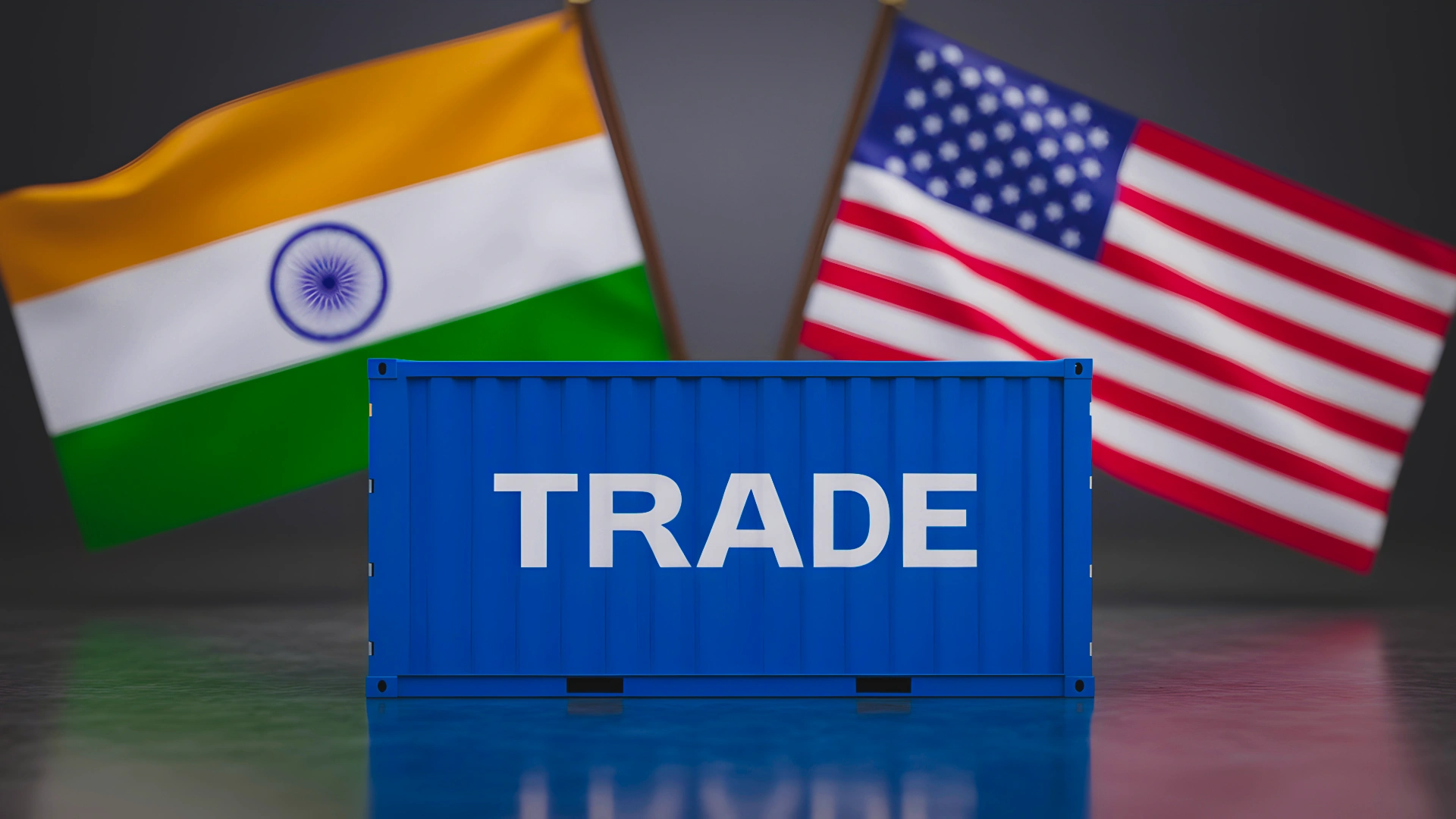
New Delhi has grown tired of being told it is dragging its feet. As another pause settles over India-US trade Deal negotiations, Indian officials are pushing back on the framing itself — insisting that what looks like delay from Washington is, in fact, something more deliberate: a country that has decided it will no longer sign agreements simply to claim one was signed.
Commerce Minister Piyush Goyal said as much when he dismissed reports suggesting India had walked away from the talks. No deal, he indicated, until the deal is actually good. That may sound obvious. In the history of trade negotiations, it is anything but.
Why the India-US Trade Deal Has Reached a Critical Stage
At the core of India’s position is a demand that has proved far harder for Washington to accommodate than either side initially anticipated: not just market access, but a structural tariff advantage over India’s manufacturing competitors.
New Delhi wants to know that Indian exports entering the United States will be priced more competitively than goods from Vietnam, Bangladesh, or China. The ask is calibrated. As global manufacturers continue diversifying supply chains away from China, preferential treatment in the US market could meaningfully influence where the next wave of industrial investment lands. India wants to be the answer to that question, not merely a participant in it.
Section 301 Tariffs and the Search for Predictability
There is also the matter of trust — or its absence. India has asked for formal protections against future unilateral American trade actions. The concern is specific: New Delhi does not want to spend years negotiating an agreement only to find, months after it comes into force, that Indian exports face new duties under mechanisms like Section 301 investigations. Businesses making decade-long investment decisions cannot work with that level of uncertainty. India’s negotiators have made it plain that a deal vulnerable to being unwound by presidential action is not, from their perspective, a deal at all.
Agriculture sits at the third and most politically charged fault line. Washington wants broader access for American farm products. India has refused. The sectors involved — dairy, grains, processed foods — are inseparable from the livelihoods of tens of millions of farmers and the electoral arithmetic of Indian politics. New Delhi is not going to move on these, and both sides know it.
Why India Can Afford to Wait For India-US Trade Deal
What is different about this round of negotiations, compared with earlier decades of India-US trade friction, is the shift in leverage.
India’s export performance has been strong. Talks with the United Kingdom concluded a long-delayed free trade agreement earlier this year, and negotiations with the European Union continue to advance. The practical effect is that New Delhi’s negotiating hand has diversified. An agreement with Washington is still valuable, but it is no longer the only game in town.
That confidence shows in the tone from Indian officials. There is no visible panic, no rushed compromises, no signals that the political cost of walking away would be too high. If anything, the current posture reflects a calculation that being seen to hold firm on core demands plays well domestically and strengthens India’s credibility in other bilateral negotiations now underway.
Washington’s Dilemma
The United States faces a problem that is partly structural. It views closer economic integration with India as essential to its broader Indo-Pacific strategy — a way to build supply chains that do not run through Beijing, and to anchor India more firmly within the western economic order. That strategic logic is real and widely shared across the American foreign policy establishment.
But the commercial side of the relationship is governed by different pressures. American negotiators have their own domestic constituencies: agricultural exporters who want access to India’s vast consumer market, manufacturers seeking reciprocal treatment, and a political environment in which trade agreements are scrutinised for their effect on American jobs.
The result is a negotiation where both sides have genuine interests and neither can simply give the other what it wants. Strategic convergence — and India and the United States have built real convergence over the past decade on defence, technology, and regional security — does not dissolve economic disagreements. It just means both sides have more to lose if those disagreements are handled badly.
India-US Trade Deal and India’s Red Lines
The talks will continue. Neither government has an interest in allowing this to collapse publicly, and the range of issues still dividing them, while significant, is not insurmountable given sufficient political will on both sides.
The question is whether Washington is prepared to offer the structural guarantees India is asking for — on tariff preference, on protection from future trade actions — or whether it will continue to press for the kind of reciprocal market access India has consistently declined to provide.
A completed agreement would do more than clear a bilateral trade hurdle. It would deliver a meaningful economic pillar to what is already a substantial strategic partnership, reinforce India’s position in global supply chains, and signal to the world that the two largest democracies can build something durable together.
Failure would not break the relationship. But it would confirm what sceptics in both capitals have quietly suspected: that strategic alignment and economic integration are not the same thing, and that India and the United States have not yet found a way to make them converge.