
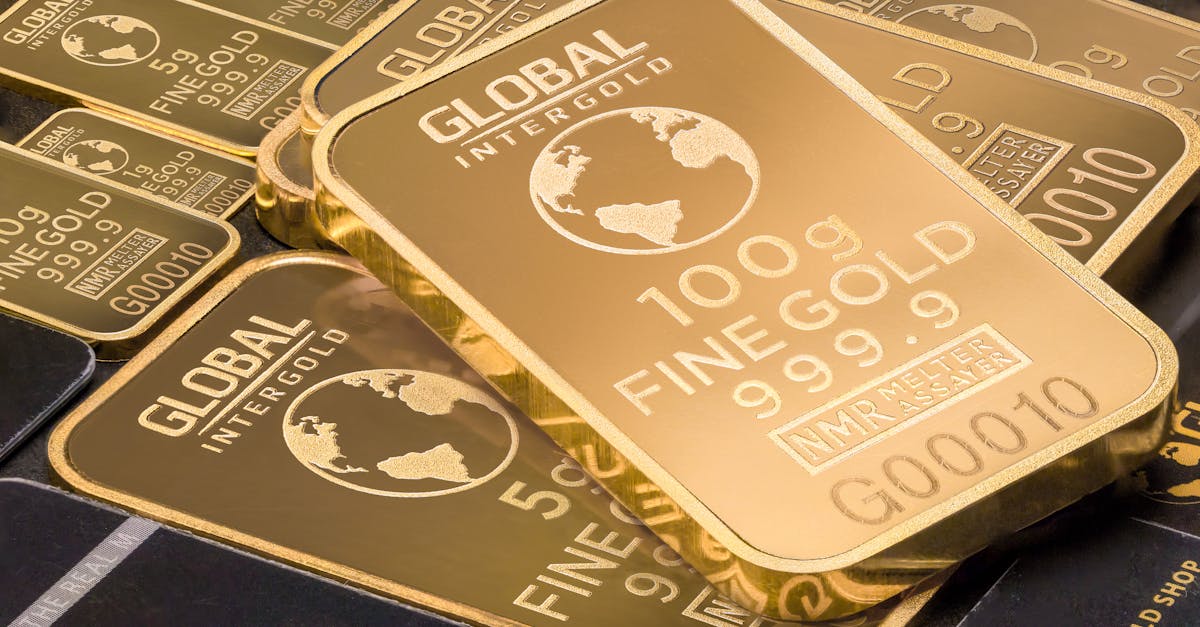
For decades, Indian households have been among the world’s largest buyers of gold, viewing the precious metal as both a symbol of wealth and a financial safety net. Today, however, that tradition is witnessing an unexpected shift. Instead of accumulating gold, Indian Households are selling old Gold jewellery to capitalise on prices that recently touched historic highs.
According to the India Bullion & Jewellers Association (IBJA), Indian households sold nearly 50 tonnes of old gold during the April–June 2026 quarter, representing a 43% year-on-year increase. The surge comes as concerns grow that gold prices may have peaked after a record rally, prompting consumers to lock in profits before any deeper correction.
While the trend reflects changing consumer behaviour, its implications extend far beyond individual households. Rising gold recycling could reshape India’s import bill, strengthen the domestic refining industry, and influence the country’s broader economic outlook.
Why Indian Households Are Selling Old Gold ?
Gold prices have witnessed extraordinary gains over the past year, supported by strong central bank purchases, geopolitical tensions, inflation concerns, and robust safe-haven demand.
However, after touching record highs, prices have begun to moderate. Many market participants now expect further downside, with some analysts suggesting domestic prices could decline from around ₹1.4 lakh towards ₹1.2 lakh per 10 grams.
Rather than waiting for prices to fall further, many households are choosing to monetise old jewellery and convert dormant assets into cash. Unlike previous years, consumers are increasingly selling outright instead of exchanging old ornaments for new jewellery, reflecting a stronger focus on liquidity and profit booking.
This behavioural shift signals that gold is no longer viewed solely as a traditional store of wealth but also as a financial asset that can be strategically monetised.
India’s Hidden Gold Reserve
India possesses one of the largest privately held gold reserves in the world.
Industry estimates suggest Indian households collectively own around 30,000 tonnes of gold—far exceeding the country’s official central bank reserves. Yet a significant portion of this wealth remains locked away in lockers and family vaults, generating little economic value.
The recent increase in old-gold sales is gradually bringing these dormant assets back into productive circulation.
Instead of remaining idle, old jewellery is being collected, refined into 24-carat bullion, and supplied to jewellery manufacturers, creating a more efficient domestic gold ecosystem.
Gold Recycling Gets a Major Boost
One of the biggest beneficiaries of the current selling wave is India’s organised gold recycling industry.
Companies such as Muthoot Exim and Augmont have reported significant increases in old-gold collections as consumers increasingly prefer transparent and regulated channels to monetise their jewellery.
Industry estimates indicate that recycled gold contributed around 125–150 tonnes to India’s supply in 2025. If the current momentum continues, recycled volumes could rise to 200–250 tonnes in 2026.
This represents a structural shift rather than a temporary market trend.
Greater recycling reduces dependence on imported bullion while creating new business opportunities for refiners, assayers, and organised jewellers.
Why This Matters for India’s Economy
India imports the overwhelming majority of the gold it consumes.
During FY26, gold imports were valued at approximately $72.4 billion, making the precious metal one of the country’s largest import categories.
Higher domestic recycling offers several macroeconomic benefits:
- Lower dependence on imported gold.
- Reduced pressure on India’s trade deficit.
- Lower foreign exchange outflows.
- Improved domestic bullion availability.
- Greater formalisation of the gold recycling industry.
Even if only a small percentage of India’s estimated 30,000 tonnes of household gold enters organised recycling, the impact on import demand could be significant over time.
The Rupee Factor: Why Gold May Stay Expensive in India
Global gold is priced in U.S. dollars, but Indian consumers purchase gold in rupees. As a result, domestic prices depend not only on international bullion prices but also on the USD-INR exchange rate.
If the rupee weakens against the dollar, imported gold becomes more expensive, offsetting part of any decline in global gold prices. Consequently, Indian gold prices may remain relatively elevated even during an international correction.
This currency dynamic means that domestic prices may not mirror global movements exactly. If rupee depreciation persists, some households could continue monetising old jewellery while prices remain attractive, even if international gold prices soften further.
Why Gold Prices Are Falling: Is This the End of the Bull Run?
Not necessarily.
The current selling spree reflects profit-taking after a record rally rather than a collapse in confidence.
The long-term outlook for gold will continue to depend on broader global factors, including:
- Central bank gold purchases.
- U.S. Federal Reserve interest-rate policy.
- Inflation expectations.
- Geopolitical tensions.
- Safe-haven investment demand.
- U.S. dollar strength.
These structural drivers remain far more influential than India’s domestic recycling activity.
Strategic Outlook
India’s current gold-selling wave represents more than a short-term response to price fluctuations.
It highlights a gradual transformation in how Indian households perceive gold—not merely as jewellery or inherited wealth, but as a liquid financial asset capable of generating value when market conditions are favourable.
At the same time, organised recycling is emerging as an increasingly important pillar of India’s gold ecosystem. By bringing idle household gold back into circulation, the country can reduce import dependence, strengthen domestic refining capacity, and improve resource efficiency.
Whether the current trend continues will depend on future gold prices, currency movements, and investor sentiment. However, one conclusion is already clear: India’s vast household gold reserves are becoming an active component of the economy rather than remaining locked away as dormant wealth.
Key Takeaways
- Indian households sold nearly 50 tonnes of old gold during the April–June 2026 quarter, a 43% increase from a year earlier.
- Profit booking after record prices is driving a surge in old-jewellery sales.
- India’s organised gold recycling industry is experiencing rapid growth.
- Higher recycling volumes could reduce India’s dependence on imported gold and improve the trade balance.
- The USD-INR exchange rate remains a critical factor influencing domestic gold prices.
- While profit booking is increasing, long-term gold prices will continue to be driven primarily by global macroeconomic and geopolitical factors.