
AUKUS Pillar II: Why New Zealand Joins Without Joining
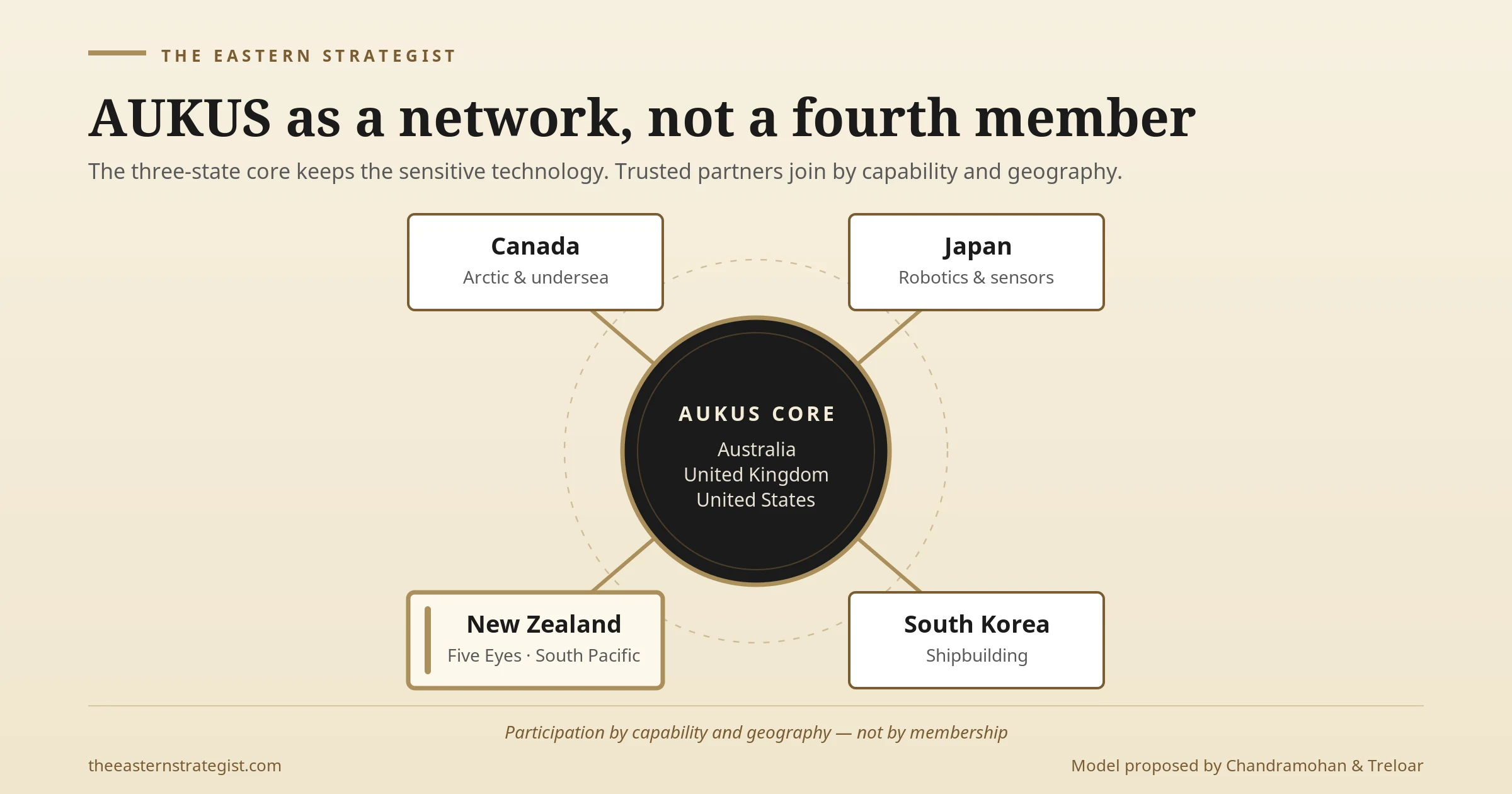
Wellington does not need a seat at the AUKUS table to become load-bearing for it. Selective integration through Pillar II, Five Eyes and Australia could…
Wellington does not need a seat at the AUKUS table to become load-bearing for it. Selective integration through Pillar II, Five Eyes and Australia could…

Albanese wants Australia to amplify the voices of Pacific Island countries. But from Europe and the Middle East to the Indo-Pacific, the strategic environment is…
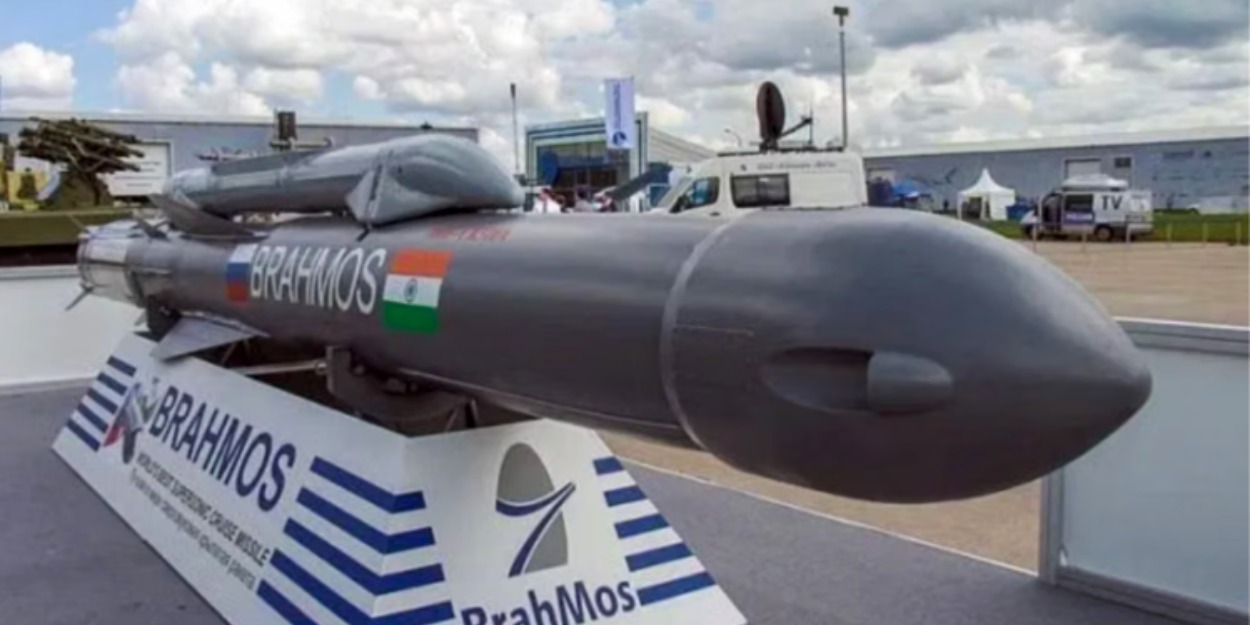
Maritime Deterrence · Indo-Pacific Statecraft The India Vietnam BrahMos missile deal has entered its final contractual phase, transforming years of bilateral diplomatic overtures into hard…
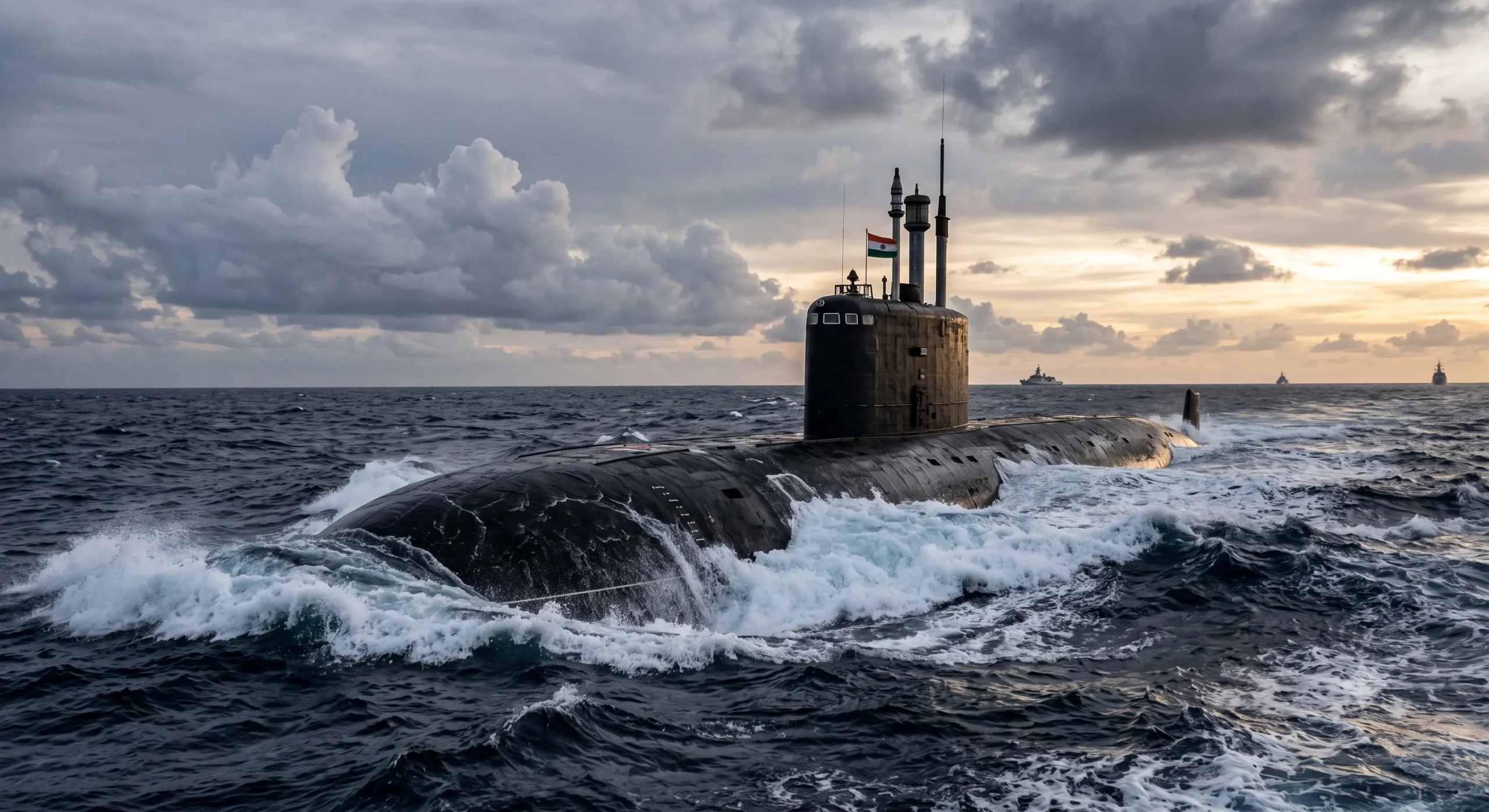
Balaji Chandramohan and Natalie Treloar The strategic balance of the Indo-Pacific is increasingly being shaped beneath its oceans. Submarines, autonomous underwater vehicles, seabed sensors and…

On April 29, 2026, the Indian Navy and the Defence Research and Development Organisation (DRDO) executed the maiden “salvo launch” of the Naval Anti-Ship Missile-Short…